Cheap and Easy Poverty Meals: the Mighty Lentil Stew with Quick Flatbreads
- The Soulful Art of Cheap and Easy Poverty Meals
- Culinary Alchemy: Why Lentils and Tomatoes Create Maximum Satiety
- Zero Waste Kitchen: Essential Ingredients for the Stew and Flatbreads
- Master the Method: Step-by-Step Guide to this Affordable Meal
- Troubleshooting and Optimization for Cheap and Easy Poverty Meals
- Maximizing Shelf Life: Storage and Freezing the Stew
- Simple Pairings: What to Serve Alongside the Lentil Stew
- Recipe FAQs
- 📝 Recipe Card
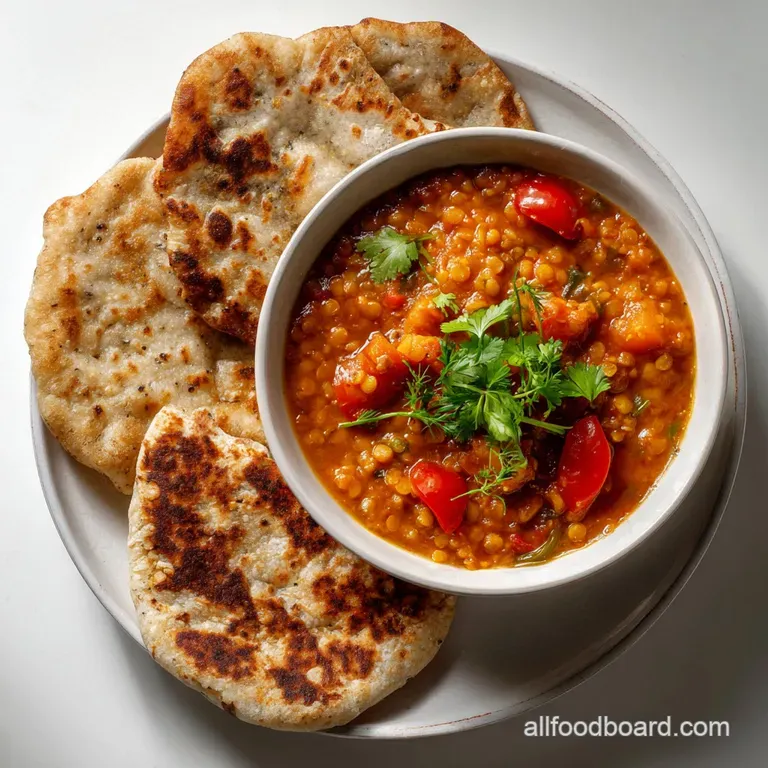
The Soulful Art of Cheap and Easy Poverty Meals
There is absolutely nothing more comforting than walking in the door and catching the deep, earthy smell of cumin and turmeric warming up in hot oil. That moment when the spices bloom, releasing their complex, gorgeous aroma, is pure kitchen magic.
It signals the beginning of the ultimate cheap healthy meal : a thick, rich red lentil stew.
This specific recipe isn't just frugal; it’s a total lifesaver that gets you through the end-of-month scramble when the budget is looking tighter than a drum. I call these my "Poverty Meals," but really, they’re dirt cheap meals perfected over years of being skint, proving you can eat like royalty on a student budget.
Lentils are the true heroes of the pantry, offering incredible protein and fiber without the hefty price tag.
Forget those sad, watery canned soups you used to rely on when money was tight. We’re creating deep, nourishing flavour here, paired with speedy, two-ingredient flatbreads that are perfect for scooping. Let’s dive into how you turn a handful of basics into a spectacular, satisfying dinner for four.
Culinary Alchemy: Why Lentils and Tomatoes Create Maximum Satiety
Why Pantry Cooking is the Smartest Cooking
Pantry cooking means minimizing food waste and maximizing your ingredients’ potential. When we focus on frugal cooking , we rely on staples that last forever, like dried lentils, tinned tomatoes, and robust spices.
This approach not only saves money right now, but it also builds resilient habits for a lifetime. Why spend a fortune when a simple onion and some spice can create such satisfying depth?
Beyond Budget: Maximizing Flavour with Minimal Ingredients
This recipe is built on the principle of flavour layering, which is the secret sauce to all good cheap dinner recipes . We take cheap, humble components and treat them like gold.
Toasting the dried spices in hot oil first is non-negotiable; that step releases their essential oils and eliminates any dusty flavor.
What Makes This Red Lentil Stew the Ultimate Comfort Dish?
Red lentils are uniquely brilliant because they completely disintegrate when cooked. Unlike brown or green lentils, they break down into a velvety purée, thickening the stew naturally without needing any heavy cream or flour.
This ensures the stew achieves an incredibly creamy texture, making it feel substantial and deeply satisfying. This is pure, nutritious, cheap easy meals genius.
Developing Depth: Layering Spices for the Stew Base
We use a simple spice mix here cumin, turmeric, and curry powder to build a classic, earthy warmth. The onion is sweated down slowly until translucent, which brings out its natural sweetness and forms a smooth base.
Adding the garlic and the dry spices immediately after the onion ensures everything "blooms" in the heat.
The Texture Game: Achieving Creaminess Without Dairy
The trick to that gorgeous, porridge like consistency is using the specific ratio of liquid to red lentils. As the lentils absorb the stock and break apart, they release starch, which naturally thickens the sauce beautifully. You are essentially making your own, dairy-free thickener.
The Speed Factor: Why Quickie Flatbreads Beat store-bought Bread
The flatbreads, or chapattis , use only flour and water no yeast, no waiting. They cook up in a dry pan in seconds, providing the perfect soft, pliable vehicle for mopping up that incredible sauce. These simple flatbreads prove that sometimes, the simplest things are truly the best.
Zero Waste Kitchen: Essential Ingredients for the Stew and Flatbreads
The Pantry Triumvirate: Lentils, Tinned Tomatoes, and Onion
These three ingredients are the backbone of any fantastic cheap meal plan .
| Ingredient | Role | Smart Substitute |
|---|---|---|
| Dried Red Lentils | Protein and Thickener | Dried yellow split peas (increase cook time by 15 mins) |
| Yellow Onion | Aromatic Base | Leek or shallots (if you have them, otherwise just skip) |
| Tinned Chopped Tomatoes | Acidity and Volume | Passata or tomato paste mixed with water |
Spice Drawer Essentials: Building Heat and Earthiness
If you don’t have a full spice rack, focus on cumin and curry powder; they are the must haves for this dish.
- Ground Cumin: Adds earthy warmth. Substitute: Ground coriander (use 1/2 tsp) for a lighter flavor.
- Turmeric Powder: Adds color and depth. Substitute: A pinch of paprika (smoked or sweet) for color.
- Curry Powder (Medium): The main flavour punch. Substitute: Garam Masala (it will be sweeter, but still delicious).
- Vegetable Stock: Liquid base. Substitute: Boiling water with a couple of cubes of dried bouillon or a tsp of salt.
Flour Alternatives for the Chapatti Style Flatbreads
I prefer plain (all-purpose) flour for soft flatbreads, but you can certainly go whole grain.
- Plain (All-Purpose) Flour: Use for the softest dough. Substitute: Half plain flour, half cheap wholemeal flour (will make the dough denser and requires slightly more water).
- Warm Water: Activates the flour. Substitute: None it’s just water!
Smart Swaps: How to Use Dried vs. Pre-cooked Lentils
We use dried red lentils because they are substantially cheaper per pound and provide the vital starch necessary for thickening. If you absolutely must use pre-cooked lentils (from a tin or pouch), only use 1 cup (240g) and reduce the stock to 3 cups, blending a small portion of the lentils once cooked to achieve the desired creamy texture.
Master the Method: step-by-step Guide to this Affordable Meal
Part One: Building the Stew's Aromatic Foundation
- Sweat the Onion: Pour the oil into a large, heavy bottomed pot over medium heat. Add the diced onion and a tiny pinch of salt. Cook slowly, stirring occasionally, for 5– 7 minutes until they are totally soft and translucent. Do not let them brown.
- Bloom the Spices: Stir in the minced garlic, cumin, turmeric, and curry powder. Cook for exactly one minute, stirring constantly, until the spices smell profoundly fragrant and nutty. This step changes everything.
Part Two: Simmering the Lentils to Perfect Tenderness
- Combine Basics: Add the rinsed red lentils and the entire tin of chopped tomatoes. Stir until everything is coated in the fragrant spice mix.
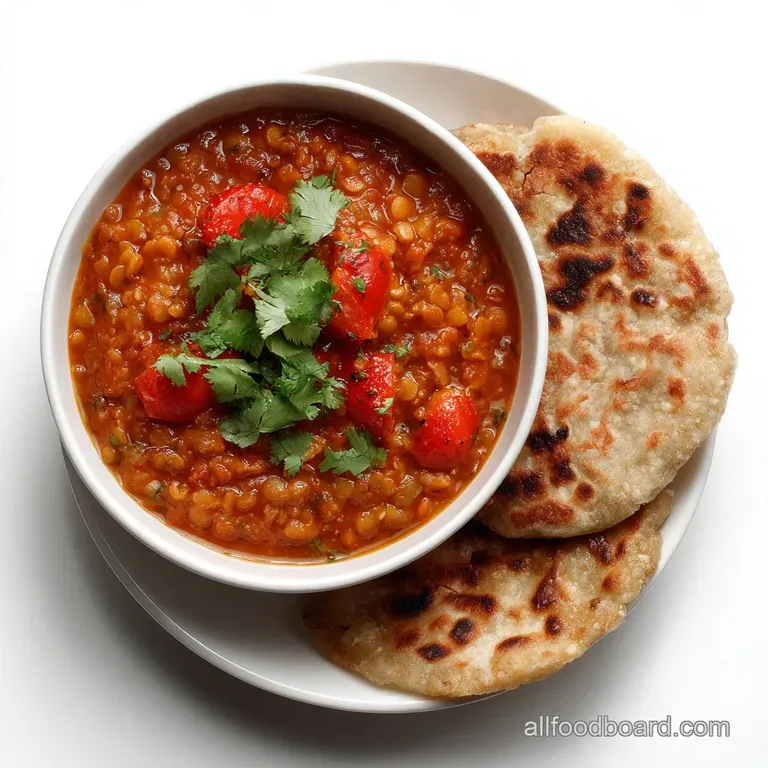
- Simmer and Soften: Pour in the 4 cups of hot vegetable stock. Bring the mixture to a rapid boil, then immediately reduce the heat to low. Cover the pot loosely and let it bubble away gently for 20– 25 minutes. The lentils must break down entirely, leaving you with a thick, satisfying porridge.
Chef's Note: If your stew is looking too thick halfway through, add half a cup of hot water or leftover stock. Red lentils are thirsty little things!
Part Three: Mixing and Griddling the Speedy Flatbread Dough
- Mix the Dough: While the stew simmers, combine the flour and warm water in a bowl until a shaggy dough forms. You want the dough to be soft but not sticky.
- Knead Briefly: Turn it out onto a lightly floured surface and knead it gently for just 60 to 90 seconds. We are not developing gluten here, so stop when it looks smooth.
- Roll and Cook: Divide the dough into 6 balls. Roll each one out very thin, like a crepe. Heat a dry, non-stick pan over medium high heat until it's smoking slightly. Cook each flatbread for 1– 2 minutes per side until small toasted brown spots appear and it puffs slightly. Keep them warm under a tea towel.
The Final Touch: Balancing Acidity and Seasoning
- Finish the Stew: Stir in the final seasoning: salt, pepper, and that crucial tablespoon of lemon juice or vinegar. Taste the stew. Does it need more salt? Does it need more brightness? Adjust now! The brightness from the acid cuts through the richness and makes the whole bowl taste vibrant.
Troubleshooting and Optimization for Cheap and Easy Poverty Meals
My Stew is Too Thick/Thin: Adjusting Consistency Mid-Cook
If the stew is too thick, simply stir in a splash of boiling water or stock until it reaches your preferred consistency. If it’s too thin, remove the lid and let it simmer uncovered for 5– 10 minutes, allowing the excess liquid to evaporate.
Alternatively, you can mash a small portion against the side of the pot to release more starch.
Avoiding Undercooked Lentils: Timing and Soaking Notes
Red lentils cook surprisingly fast, usually within 25 minutes. Never skip rinsing them! Rinsing removes surface starch and dust. If after 25 minutes they still feel too firm, don't panic. Just keep simmering, lid off, until they collapse.
Old lentils can take longer; that's the only real variable.
Getting the Flatbread Puff: Heat Control on the Griddle
The number one mistake people make with these quick flatbreads is using a pan that isn't hot enough. You need medium high heat, almost high. The heat causes the trapped water vapour inside the thin dough to expand rapidly, creating that lovely little balloon puff.
Maximizing Shelf Life: Storage and Freezing the Stew
Safe Freezing Guidelines for Bulk Batches
This poverty meal is perfect for batch cooking. It freezes incredibly well. Allow the stew to cool completely this is important! Store it in airtight containers, leaving about an inch of headspace, as the liquid will expand slightly upon freezing.
It keeps beautifully in the freezer for up to 3 months. If you are into freezer meals, consider prepping a double batch.
Reheating Instructions for Maintaining Creaminess
When reheating, thaw the stew in the fridge overnight if possible. Pour it into a saucepan and reheat gently over medium low heat, stirring frequently. It will often thicken up even more after freezing, so be prepared to add a splash of water or stock to loosen it back up.
Don't reheat the flatbreads in the microwave; they'll go rubbery. Briefly toast them again in a dry pan instead!
Simple Pairings: What to Serve Alongside the Lentil Stew
Since we’re keeping this truly budget friendly, the sides should be simple but impactful. This rich, spiced stew reminds me of my deeper flavoured recipes like my Vegetarian Chili Recipe: Deep Flavour, Easy Weeknight Winner and definitely benefits from acidity.
- A Swirl of Creaminess: A dollop of plain, cheap yogurt (or a drizzle of lemon infused olive oil for a vegan option) provides a cooling contrast to the curry spices.
- The Crunch Factor: Shredded raw cabbage (the cheapest vegetable going!) dressed simply with vinegar and salt adds necessary texture.
- Hot Sauce: A dash of any vinegar based hot sauce provides a simple, cheap kick.
- The Green Lift: If you have 50p left, grab a lemon! A final squeeze of fresh citrus over the finished dish is a game changer.

Recipe FAQs
How long will the lentil stew keep, and can I freeze it?
The stew keeps brilliantly in an airtight container in the fridge for up to 4 days, making it an ideal candidate for batch cooking and meal prepping. It freezes exceptionally well; portion it into containers once completely cooled, and it will last for 3 months just be sure to defrost overnight and reheat thoroughly until piping hot.
Why are my lentils dry or overly mushy instead of having a nice stew consistency?
If your lentils are dry, you may have cooked them too quickly or they absorbed more liquid than expected; simply stir in a splash of boiling water or reserved cooking liquid until the desired consistency is reached.
If they are overly mushy, they were likely cooked on too high a heat or for too long after the initial thickening, so next time, simmer gently and check for doneness around the 20-minute mark.
My quick flatbreads are hard, not soft and flexible. What went wrong?
The most common culprit is either overworking the dough or using too much flour during rolling, which results in a tough, rigid texture. Ensure you cook them on a high heat for a very short duration (45-60 seconds per side) and immediately cover them with a clean cloth or tea towel after cooking to trap steam and keep them pliable.
I want to boost the nutritional content without spending a fortune. Any tips?
Absolutely; stir in a handful of frozen spinach, chopped kale, or frozen mixed vegetables during the last five minutes of cooking for a powerful vegetable boost. For added budget protein, a tin of drained chickpeas stirred through or a simple fried egg served on top of the stew makes an incredibly satisfying, low-cost addition.
I only have brown or green lentils, not red lentils. Can I still use them?
Yes, but you must adjust the cooking time significantly, as brown and green varieties hold their shape better and require closer to 35-45 minutes of simmering. Since red lentils break down quickly to naturally thicken the stew, you might need to slightly mash some of the brown lentils against the side of the pot for the desired texture.
The stew tastes a little flat or basic. How can I deepen the flavour profile?
Proper seasoning makes all the difference; ensure you are using enough salt, which is critical for bringing out the earthy flavour of legumes. To enhance the brightness and complexity, finish the dish with a generous squeeze of fresh lemon juice or a dash of vinegar right before serving.
I am trying to reduce my sodium intake. How can I adapt this recipe?
The largest sodium contributors are typically the tinned ingredients and bouillon cubes, so opt for no-salt added tinned tomatoes whenever possible. Replace bouillon with extra dried herbs like oregano and thyme, and use onion and garlic powder instead of pre-mixed seasoning blends to control the sodium level directly.
Cheap And Easy Poverty Lentil Stew
Ingredients:
Instructions:
Nutrition Facts:
| Calories | 617 kcal |
|---|---|
| Protein | 44.7 g |
| Fat | 9.7 g |
| Carbs | 86.4 g |
