Broccoli and Cheddar Twice Baked Potato
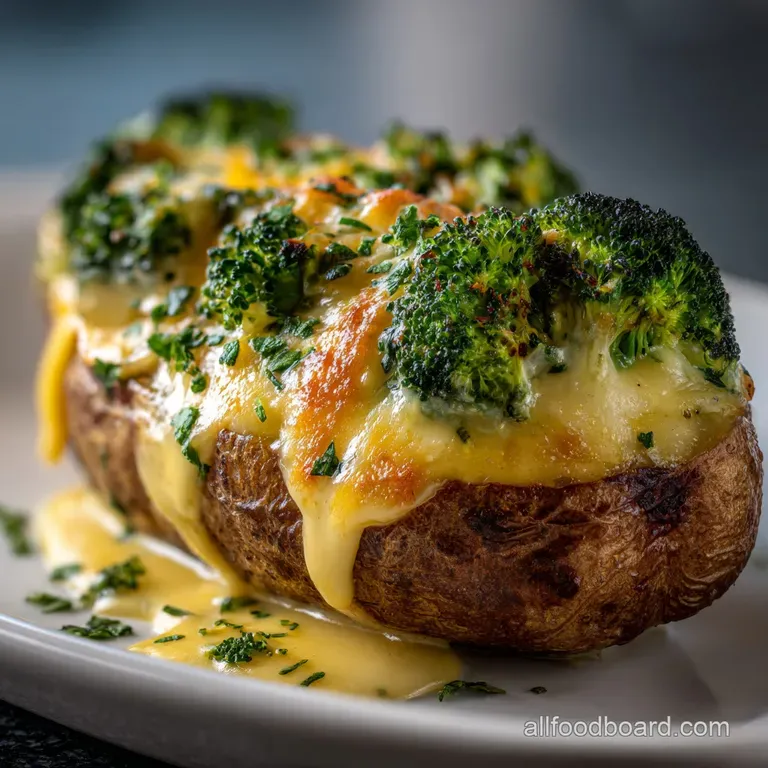
- Time: Active 20 mins, Passive 1 hour 15 mins, Total 1 hour 35 mins
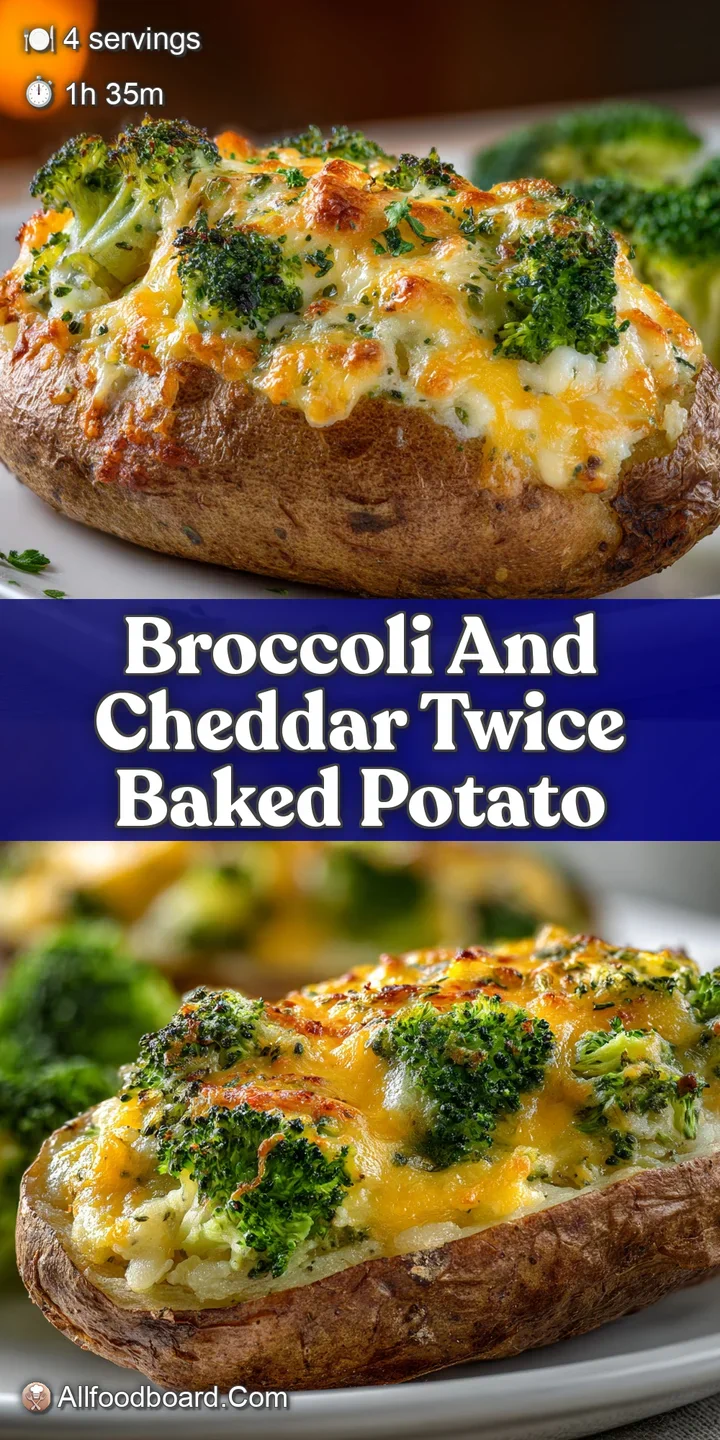
- Flavor/Texture Hook: Shatter crisp salty skin with a velvety cheddar rich center
- Perfect for: Cozy family dinners or impressive holiday side dishes
- Science Driven Methods for Achieving Shatter Crispy Skins
- Critical Recipe Specifications and Precise Timing Measurements
- Selecting the Finest Components for Bold Savory Flavor
- Essential Culinary Tools for This Minimalist Potato Recipe
- Step by Step Execution of the Filling Alchemy
- Proven Strategies for Avoiding Common Kitchen Preparation Disasters
- Simple Adaptations to Make This Recipe Your Own
- Science of Why it Works
- Effective Guidelines for Long Term Storage and Reheating
- Professional Presentation Techniques for an Appealing Final Dish
- High in Sodium
- Broccoli and Cheddar Twice Baked Potato FAQs
- 📝 Recipe Card
Smelling the salt rubbed skin as it sizzles in the oven is easily the highlight of my weekend cooking sessions. This Broccoli and Cheddar Twice Baked Potato Recipe will be your new favorite comforting side dish, mostly because it tackles the one thing most people get wrong: the texture.
We aren't looking for a sad, microwaved potato; we want something that feels like a luxury meal.
I remember the first time I tried making these for a Sunday roast. I didn't realize that the type of potato mattered, and I ended up with a gummy, gluey mess that wouldn't hold its shape. Since then, I’ve learned that the secret lies in the starch and the temperature.
Once you crack the code on the "shatter crisp" skin, you'll never look at a regular baker the same way again.
Right then, let's get into the details of why this works. We are looking for that specific contrast between the golden brown exterior and the cloud like filling. It's about patience and treating the broccoli with enough respect that it stays vibrant green rather than turning into mush.
Trust me on this, the extra steps make all the difference when you take that first bite.
Science Driven Methods for Achieving Shatter Crispy Skins
The magic of this dish relies on a few fundamental principles of thermodynamics and chemistry. When we bake the potato the first time, we are essentially dehydrating the outer layer while the internal moisture steams the flesh.
This creates the structural integrity needed to hold the heavy cheese and broccoli filling later.
- Starch Gelatinization: At 400°F, the amylose starch in Russet potatoes swells and bursts, creating a fluffy texture that easily absorbs the butter and sour cream.
- Surface Evaporation: Rubbing the skin with extra virgin olive oil and salt draws moisture out of the peel, allowing the cells to crisp up rather than soften.
- Protein Emulsification: Adding the room temperature butter and sour cream to the warm potato flesh creates a stable emulsion, preventing the filling from becoming oily or separating.
- Maillard Reaction: The final bake at a high temperature browns the cheddar proteins, creating those savory, nutty notes that define a great bake.
The Salt Rubbed Finish
The salt doesn't just season the skin; it acts as a desiccant. By coating the damp skin in kosher salt, you're pulling out every last drop of moisture. This ensures the skin becomes a rigid vessel for our filling. Without this step, the skin often stays papery and tough instead of becoming flaky and crisp.
Velvety Dairy Emulsion Method
Temperature is your best friend when mixing the filling. If you add cold milk or butter to the hot potato, you'll shock the starches, and they will tighten up into a gummy paste. By using room temperature ingredients, the fats can distribute evenly between the starch granules, resulting in a silky, "melt in-your mouth" consistency.
Rapid Steam Broccoli Prep
Broccoli can go from perfect to overcooked in a heartbeat. I prefer to finely chop the florets so they "flash steam" during the final ten minutes in the oven. This preserves the sulforaphane the healthy stuff and keeps the color a stunning emerald green that pops against the orange cheddar.
| Finish Type | Internal Temp | Rest Time | Visual Cue |
|---|---|---|---|
| Soft/Standard | 205°F | None | Skin is matte and yielding |
| Shatter Crispy | 210°F | 10 mins | Skin is taut and glistening |
| Extra Toasty | 215°F | 15 mins | Edges of skin start to darken |
The rest time is actually more important than people realize. If you cut into the potato immediately, the steam escapes too fast, and the skin can lose its rigidity. Let those internal pressures stabilize for a few minutes before you start the scooping process.
Critical Recipe Specifications and Precise Timing Measurements
Success in the kitchen often comes down to the numbers, especially with something as dense as a 450g potato. We are aiming for a total cook time of about 1 hour 15 mins to ensure the center is completely transformed. If you pull them out too early, you'll have "chunky" mash instead of smooth filling.
- Initial Bake: 1 hour at 400°F (or until the internal temp hits 210°F).
- Cooling Period: 10 minutes (just enough to handle them without burning your palms).
- Final Melt: 15 minutes at 400°F (until the cheese is bubbling and golden).
- Potato Weight: Aim for 450g (approx. 1 lb) per potato for a substantial meal.
| Original Ingredient | Substitute | Why It Works |
|---|---|---|
| Sour Cream (full fat) | Greek Yogurt (plain) | Similar acidity and thickness. Note: Adds a slight tang and more protein |
| Sharp Cheddar | Gruyère | High fat content and excellent melt. Note: Gives a more sophisticated, nutty profile |
| Whole Milk | Heavy Cream | Higher fat ratio. Note: Makes the filling significantly richer and denser |
Adding a bit of high fat dairy is similar to the technique used in my Creamy Broccoli Rice recipe. It bridges the gap between the dry potato starch and the fibrous broccoli florets.
Selecting the Finest Components for Bold Savory Flavor
The ingredients list is intentionally simple, but quality matters when there's nowhere to hide. Since we are only using a handful of items, each one needs to carry its weight.
- 2 large Russet potatoes: Use these specifically for their high starch content. Red or Yukon Gold potatoes are too waxy and will turn into a gluey paste. Why this? Russets have the thickest skin for structural support.
- 1 tbsp extra virgin olive oil: This provides the fat needed to crisp the skin. Why this? High smoke point and adds a subtle fruitiness.
- 1 tsp kosher salt: Use a coarse grain like Diamond Crystal for better coverage. Why this? Larger crystals draw out moisture more effectively.
- 1.5 cups broccoli florets: Fresh is best here; frozen tends to release too much water. Why this? Adds texture and cuts through the heavy cheese.
- 4 tbsp unsalted butter: Room temperature is non negotiable for even mixing.
- 1/3 cup full fat sour cream: This provides the necessary acid to brighten the dish.
- 1/4 cup whole milk: Adjust this based on how dry your potatoes feel.
- 1.5 cups sharp cheddar cheese: Always shred this yourself from a block.
- 1/2 tsp garlic powder & 1/4 tsp pepper: Simple seasonings to boost the savory notes.
- 2 scallions: For a fresh, sharp finish that cuts through the fat.
I've tried using pre shredded cheese before, and honestly, don't even bother. Those bags are coated in cellulose to keep the shreds from sticking, which means they won't melt into that velvety puddle we are looking for. Spend the extra two minutes with a box grater; your taste buds will thank you.
Essential Culinary Tools for This Minimalist Potato Recipe
You don't need a pantry full of gadgets to make a world class baked potato. In fact, most of the "pro" tools just get in the way. I stick to a few reliable items that help with consistency and safety.
- Baking Sheet: A standard rimmed sheet pan is perfect for catching any stray cheese drips.
- Large Mixing Bowl: You'll need plenty of space to fold the broccoli into the potato mash.
- Potato Masher or Fork: A simple fork works fine, but a masher gives you a smoother finish.
- Pastry Brush: For even application of the olive oil on the potato skins.
- Small Paring Knife: To slice the potatoes open without tearing the delicate skin.
If you find yourself making these often, a small offset spatula is a secret weapon for spreading the filling. It allows you to get those beautiful "peaks" on the top of the potato that brown up so nicely in the oven. It's the same tool I use when topping my How to Bake recipe to get that restaurant style look.
step-by-step Execution of the Filling Alchemy
Let's walk through the process. The first bake is the longest part, so feel free to prep your other ingredients while the oven does the heavy lifting.
- Prep the skins. Scrub the 2 large Russet potatoes and pat them completely dry with a towel. Note: moisture is the enemy of a crispy skin.
- Season the exterior. Brush each potato with 1 tbsp extra virgin olive oil and rub with 1 tsp kosher salt.
- Initial bake. Place potatoes directly on the oven rack (with a tray below to catch drips) and bake for 1 hour at 400°F until the skin is crisp and the center yields to a gentle squeeze.
- Steam the broccoli. While potatoes bake, steam 1.5 cups broccoli florets for 3 minutes until tender crisp. Note: they should still have a bite.
- Cool and cut. Remove potatoes and let them rest for 10 minutes. Slice in half lengthwise with a sharp knife.
- Extract the flesh. Scoop out the potato centers into a bowl, leaving a 1/4 inch border. Note: this border prevents the skin from collapsing.
- Create the emulsion. Add 4 tbsp butter, 1/3 cup sour cream, 1/4 cup whole milk, garlic powder, and pepper to the potato flesh. Mash until silky and smooth.
- Fold in the stars. Gently stir in the steamed broccoli and 1 cup of the sharp cheddar cheese.
- Re stuff. Spoon the mixture back into the skins, piling it high. Note: don't pack it down; keep it airy.
- Final bake. Top with the remaining 1/2 cup cheese and bake for 15 minutes until the cheese is bubbling and edges are golden brown.
Garnish with those thinly sliced scallions immediately after pulling them out of the oven. The residual heat will wake up the onion aroma without wilting them into nothingness.
Proven Strategies for Avoiding Common Kitchen Preparation Disasters
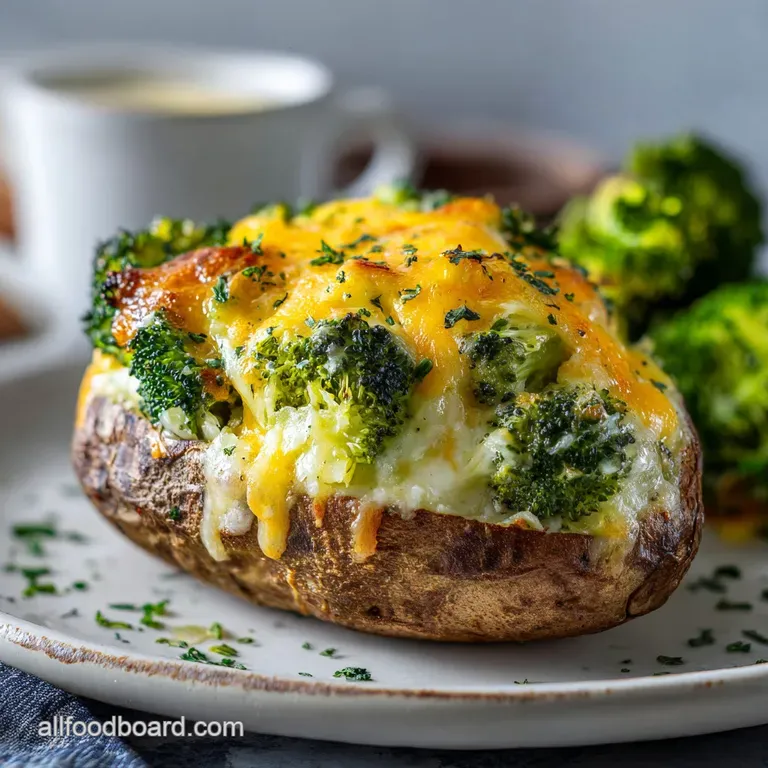
The biggest mistake I see people make with a Broccoli and Cheddar Twice Baked Potato is over handling the potato flesh. If you stir it too vigorously or use a high speed mixer, the starch molecules break down into a sticky, "glue like" consistency. This is why I always recommend a hand masher or a simple fork.
Fixing Gummy Texture Problems
If your filling has already become gummy, you can't really reverse it, but you can hide it. Add a bit more shredded cheese and a tablespoon of melted butter to provide some "slip" to the texture. Next time, remember to be gentle and make sure the potatoes are still hot when you mash them.
Handling Hot Potato Skins
Trying to scoop out a potato that is 200°F is a recipe for a burnt thumb. Use a clean kitchen towel to hold the potato steady while you scoop. If the skin feels too fragile, you might have scooped too close to the edge. Leave a little bit more "meat" on the bone next time for a sturdier vessel.
Preventing Sogginess at Base
Never wrap your potatoes in foil. I know some recipes suggest it, but foil traps steam, which turns the skin into a wet, limp mess. Bake them directly on the rack or a wire rack set over a baking sheet to allow air to circulate around the entire potato.
| Problem | Root Cause | Solution |
|---|---|---|
| Skins are leathery | Under oiling or too low temp | Use 400°F and a generous coat of EVOO |
| Filling is dry | Spud was over baked or large | Add 1 tbsp of milk at a time until creamy |
| Cheese didn't melt | Used pre shredded cheese | Grate your own from a block for better fat content |
Common Mistakes Checklist
- ✓ Pat potatoes bone dry before oiling to prevent "steaming" the skin.
- ✓ Don't skip the salt rub; it's essential for the "shatter" texture.
- ✓ Leave a 1/4 inch wall of potato flesh to keep the shell from tearing.
- ✓ Fold the broccoli in last to keep the florets from turning into a green smear.
- ✓ Serve immediately for the best contrast between the hot center and crisp shell.
Simple Adaptations to Make This Recipe Your Own
Once you've mastered the basic technique, you can really start playing with the flavors. Sometimes I'll swap the sharp cheddar for a smoked gouda if I'm serving these with grilled steak. The smoky notes play incredibly well with the earthy potato.
Lighter Broccoli Cheddar Option
If you're looking for something a bit lighter, you can swap the whole milk for chicken broth and use a low-fat Greek yogurt instead of sour cream. It reduces the calorie count while keeping that essential tang. Just be aware that it won't be quite as velvety as the full fat version.
The Fully Loaded Spud
If you want to turn this into a full meal, add some crispy bacon bits and a spoonful of caramelized onions to the filling. It’s basically a meal in a shell. I’ve even seen people top them with a fried egg for a "breakfast for dinner" vibe.
Decision Shortcut
- If you want it extra creamy: Swap the milk for heavy cream and add an extra 2 tbsp of butter.
- If you want it crispy: Turn on the broiler for the last 2 minutes of the final bake.
- If you want it spicy: Fold in 1 tbsp of diced pickled jalapeños or a dash of hot sauce.
| Method | Time | Texture | Best For |
|---|---|---|---|
| Standard Oven | 1 hour 35 mins | Shatter crisp skin | Classic results |
| Air Fryer | 55 minutes | Ultra crunchy shell | Speed and efficiency |
| Stovetop/Microwave | 25 minutes | Soft and yielding | Quick weeknight fix |
For the air fryer method, you'll want to drop the temperature to 375°F. Because the air circulates so quickly, it can burn the outside before the inside is fluffy.
But for the "twice baked" part, the air fryer is actually a total secret weapon it gets that cheese exceptionally bubbly in half the time.
Science of Why it Works
The secret to a non gummy potato is managing the starch. By baking at a high heat, we ensure the starch granules swell and separate, creating a "mealy" texture that is ideal for mashing.
Effective Guidelines for Long Term Storage and Reheating
These are surprisingly great for meal prep because they hold their shape so well. You can actually do all the work up until the final bake and then store them in the fridge.
- Fridge: Keep in an airtight container for up to 4 days.
- Freezer: Wrap individual potatoes tightly in plastic wrap and then foil. They will stay fresh for up to 3 months.
- Reheating: For the best results, use the oven at 350°F for 15-20 minutes. Avoid the microwave if you can, as it will turn that hard earned crispy skin into a rubbery mess.
- Zero Waste: Don't throw away those broccoli stems! Peel the woody exterior, dice the tender center, and sauté them with garlic to add to a pasta or freeze them for a future veggie stock.
Professional Presentation Techniques for an Appealing Final Dish
We eat with our eyes first, and a twice baked potato can look a bit "homely" if you just glob the filling in. To make them look like they came from a high end steakhouse, I like to use a piping bag with a large star tip to fill the skins. It creates beautiful ridges that brown up and look very intentional.
Slicing for Symmetry
When you cut the potatoes in half, try to find the flattest side to sit on the pan. If the potato is rolling around, slice a tiny sliver off the bottom of the skin to create a flat "base." This keeps all that cheesy goodness from spilling out in the oven.
Fresh Garnish Final Touch
Don't just throw the scallions on top; slice them on a sharp bias (diagonal) to make them look more professional. A tiny sprinkle of smoked paprika or a crack of fresh black pepper right before serving adds a pop of color and a hint of extra flavor.
Right then, I think you're ready to tackle this! Just remember: don't rush the first bake, be gentle with the mash, and for heaven's sake, grate your own cheese. You're going to love how these turn out. Let's crack on!
High in Sodium
875 mg mg of sodium per serving (38% of daily value)
The American Heart Association recommends limiting sodium intake to about 2,300mg per day for most adults.
Tips to Reduce Sodium in Your Loaded Baked Potato
-
Reduce Cheese Sodium-15%
Swap half the sharp cheddar cheese with a low-sodium or reduced fat mozzarella. This will significantly decrease the overall sodium content without sacrificing too much flavor.
-
Control Salt Intake-12%
Reduce the amount of kosher salt added to the potatoes by half, or eliminate it entirely. Taste the potatoes after baking and add a small amount only if needed.
-
Unsalted is Best-8%
Ensure the butter you are using is truly unsalted. Some butters marketed as 'lightly salted' can still contain a surprising amount of sodium.
-
Milk Consideration-5%
Use a low-sodium milk product. Some full fat milks contain added sodium. Read the label and use the lowest sodium milk you can find.
-
Spice It Up
Enhance the flavor of your baked potatoes with fresh herbs like chives, parsley, or dill. These can add depth of flavor without any sodium.
Broccoli and Cheddar Twice Baked Potato FAQs
What kind of potatoes are best for twice baked potatoes?
Russet potatoes are the best choice. Their high starch content creates a fluffy interior perfect for mashing and holding the filling, and their thick skin crisps up beautifully.
How do I get the potato skins extra crispy?
Rub them generously with olive oil and kosher salt, and bake directly on the oven rack. Ensure the potatoes are completely dry before oiling to allow the skin to dehydrate and crisp up during the first bake.
Can I use frozen broccoli in this recipe?
It's best to stick with fresh broccoli. Frozen broccoli releases excess moisture when cooked, which can make the filling watery and the potato skins soggy.
My potato filling is gummy. How can I fix it?
Avoid overworking the potato flesh when mashing. Gentle mashing with a fork or masher while the potatoes are still hot helps prevent the starches from breaking down and becoming gummy.
How do I make the filling creamy instead of dry?
Use room temperature dairy like butter and sour cream, and don't be afraid to add a splash more milk if needed. Adding fat and liquid gradually while mashing will create a smooth, emulsified filling, similar to the technique for making Creamy, Cheesy Au Gratin Potatoes.
Can I prepare these ahead of time?
Yes, you can assemble them before the final bake. Prepare the potatoes and filling, then refrigerate the stuffed skins for up to 2 days. Add an extra 5-10 minutes to the final baking time.
How do I reheat leftovers without making the skin soggy?
Reheat them in the oven at 350°F (175°C) for 15-20 minutes. This method helps to re-crisp the skin, unlike a microwave which will likely make it rubbery.
Broccoli Cheddar Potato
Ingredients:
Instructions:
Nutrition Facts:
| Calories | 538 kcal |
|---|---|
| Protein | 17.3 g |
| Fat | 33.6 g |
| Carbs | 44.1 g |
| Fiber | 3.9 g |
| Sugar | 3.2 g |
| Sodium | 875 mg |
