Best Pot Roast Recipe: Fork Tender Beef
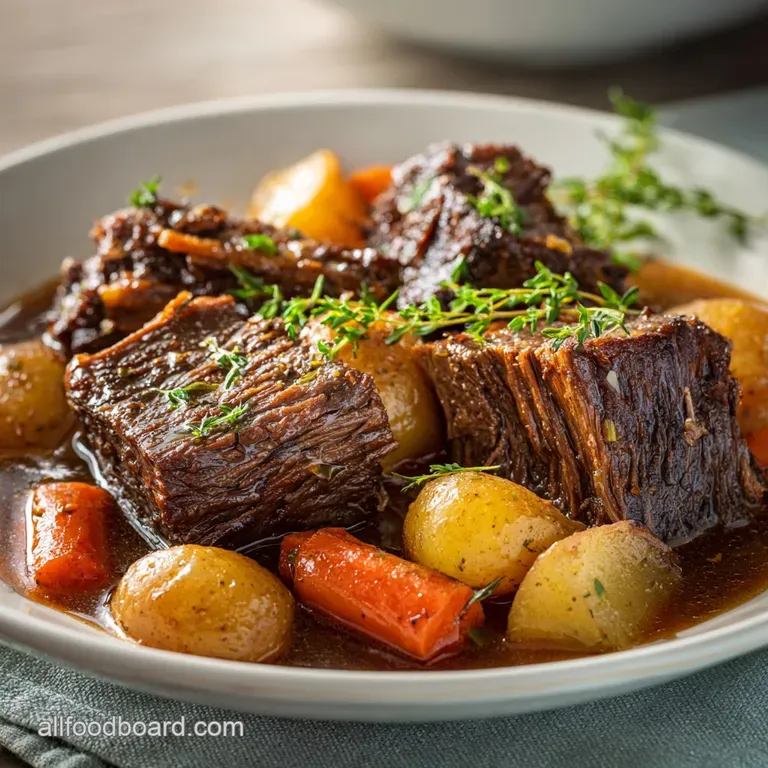
- Time: Active 25 minutes, Passive 3 hours 30 mins, Total 3 hours 55 mins
- Flavor/Texture Hook: Fork tender beef with a rich, savory silkiness
- Perfect for: Lazy Sunday family dinners or stress free meal prep
The Physics of Meat Tenderness
1. The Science of Collagen Transformation
Collagen Conversion: At temperatures between 160°F and 205°F, tough connective tissues slowly dissolve into gelatin. This process requires steady, moist heat over several hours to turn a "chewy" cut into something that feels buttery on the tongue.
2. The Maillard Reaction for Depth
Surface Browning: Searing the beef at high heat creates hundreds of new flavor compounds through the Maillard reaction. This isn't just about color; it creates the base for the entire sauce, providing that deep, umami rich foundation.
3. Progressive Vegetable Addition
Starch Integrity: Adding potatoes and carrots later in the process prevents them from turning into mush. By timing their entry, we ensure the potatoes stay fluffy while the carrots keep a slight bite.
| Roast Thickness | Internal Temp | Rest Time | Visual Cue |
|---|---|---|---|
| 2 inches | 195°F | 15 minutes | Fiber strands separate easily |
| 3.75 lbs (whole) | 200°F | 20 minutes | Meat wobbles when poked |
| Individual Chunks | 195°F | 10 minutes | Edges look softened and dark |
Choosing the right cut of beef is the most important decision you'll make today. If you're looking for a spicy variation for your next family gathering, you might also enjoy this Mexican Pot Roast recipe.
high-quality Ingredients for Depth
| Ingredient | Science Role | Pro Secret |
|---|---|---|
| 3.75 lbs Chuck Roast | Primary fat/protein source | Look for heavy white marbling throughout |
| 1 cup Dry Red Wine | Acidic tenderizer | Use a Cabernet or Merlot you’d actually drink |
| 3 cups Bone Broth | Solvent for flavor | Low sodium allows you to control the salt |
| 4 Garlic Cloves | Aromatic complexity | Smash them to release oils without burning |
3 Essentials for the Beef
- 3.75 lbs beef chuck roast: Why this? The high fat content ensures the meat stays juicy during the long braise.
- 1 tsp coarse sea salt: Why this? Coarse grains draw out moisture for a better sear.
- 2 tsp cracked black pepper: Why this? Provides a sharp contrast to the rich fat.
2 Layers of Liquid & Flavor
- 1 cup dry red wine: Why this? Adds acidity to cut through the richness of the beef.
- 3 cups low sodium beef bone broth: Why this? Richer mouthfeel than standard stock or water.
5 Garden Aromatics
- 1.5 lbs baby Yukon Gold potatoes, halved: Why this? Thin skins mean no peeling, and they hold their shape.
- 4 large carrots, 2 inch chunks: Why this? Thicker cuts survive the long simmer without disintegrating.
- 2 yellow onions, quartered: Why this? They provide a natural sweetness as they caramelize.
- Fresh Herbs (Thyme & Rosemary): Why this? Woody herbs stand up better to long cook times.
- 2 dried bay leaves: Why this? Adds a subtle floral background note.
Essential Tools for Even Cooking
You don't need a kitchen full of gadgets, but a heavy bottomed pot is non negotiable here. A cast iron Dutch oven (like a Lodge or Le Creuset) is the gold standard because it holds heat so consistently.
If you don't have one, a deep stainless steel pot with a very tight lid will work, though you may need to check the liquid levels more often.
Chef's Tip: Freeze your butter for 10 minutes then grate it into the sauce at the very end. It creates a velvety, glossy finish that makes the broth feel like a restaurant quality glaze.
Cooking Steps for Perfect Results
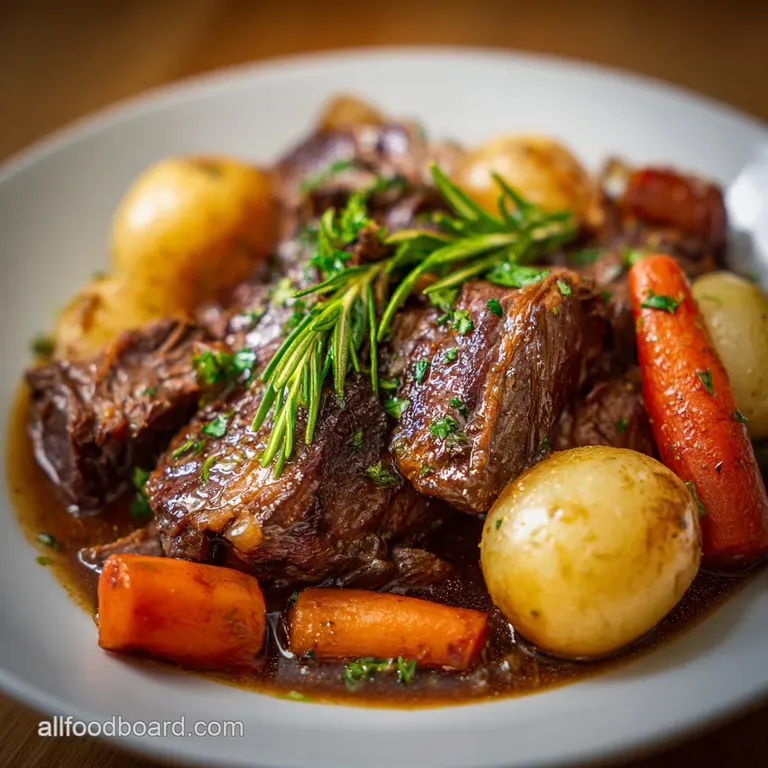
- Prep the beef. Pat the 3.75 lbs beef chuck roast completely dry with paper towels. Note: Surface moisture is the enemy of a good sear; wet meat will steam instead of brown.
- Season heavily. Rub the salt and pepper into every nook and cranny of the meat.
- Sear the roast. Heat 2 tbsp avocado oil in your pot over medium high heat. Sear the beef for 5 minutes per side until a dark brown crust forms.
- Deglaze the pan. Remove the meat and pour in 1 cup dry red wine. Scrape the bottom of the pot with a wooden spoon to loosen the brown bits.
- Build the base. Add the 2 yellow onions and 4 smashed garlic cloves back into the pot with the wine. Let them soften for 3 minutes.
- Add the liquids. Pour in 3 cups beef bone broth and place the meat back in the center. Sizzle should subside into a gentle simmer.
- Tuck in aromatics. Nestle the thyme, rosemary, and bay leaves around the meat. Cover tightly.
- The long braise. Transfer to a 300°F (150°C) oven or lower stove heat to maintain a bare simmer for 2 hours 30 mins.
- Add the vegetables. Drop in the 1.5 lbs halved potatoes and 4 carrot chunks. Wait until the meat is already tender before this step.
- Finish the cook. Continue cooking for another 45 minutes to 1 hour until vegetables are tender and meat shatters with a fork.
Expert Tips to Avoid Mistakes
Why Your Roast Is Dry
If the meat feels tough or dry, it usually means it hasn't cooked long enough. It sounds counter intuitive, but "overcooked" pot roast actually feels like dry strings. If it's just tough, the collagen hasn't melted yet. Put the lid back on and give it another 30 minutes.
| Problem | Root Cause | Solution |
|---|---|---|
| Greasy Gravy | Too much rendered fat | Chill and skim, or use a fat separator |
| Bland Sauce | Not enough salt or acidity | Add a splash of balsamic vinegar or salt |
| Mushy Carrots | Added too early | Follow the "Progressive Addition" timing |
If you have leftover liquid that is too thin, it makes a fantastic base for a Classic Au Jus recipe to serve with sandwiches the next day.
Common Mistakes Checklist
- ✓ Don't skip the sear that crust is where 50% of your flavor lives.
- ✓ Use a tight fitting lid to prevent the braising liquid from evaporating.
- ✓ Resist the urge to peek; every time you lift the lid, you lose 15 minutes of heat.
- ✓ Let the meat rest for at least 15 minutes before shredding to keep the juices inside.
- ✓ Always cut across the grain if you prefer slices over shreds.
Flavor Swaps for Better Meals
| Original Ingredient | Substitute | Why It Works |
|---|---|---|
| Red Wine | Extra broth + 1 tbsp vinegar | Provides necessary acid without the alcohol |
| Avocado Oil | Beef tallow or Ghee | High smoke point and adds deep meaty flavor |
| Yukon Gold Potatoes | Red Bliss potatoes | Similar waxy texture that holds shape well |
If you want...
- A thicker sauce: Remove the meat and veggies, then whisk 1 tbsp cornstarch with 1 tbsp cold water into the bubbling liquid.
- A deeper color: Add 1 tsp of espresso powder to the broth; it darkens the sauce without tasting like coffee.
- More sweetness: Use parsnips alongside the carrots for an earthy, sugary pop.
Guidelines for Freezing and Reheating
Storage: Keep leftovers in an airtight container in the fridge for up to 4 days. The flavor actually improves on day two as the aromatics settle into the meat fibers. For a quick side update on day two, these Roasted Fingerling Potatoes recipe are a brilliant way to use up any extra herbs you have.
Freezing: This dish freezes beautifully for up to 3 months. Freeze the meat and sauce together to prevent the beef from drying out. Avoid freezing the potatoes if possible, as they can become grainy.
Reheating: The best way to reheat is low and slow on the stove. Add a splash of broth or water to loosen the sauce. Avoid the microwave if you can, as it tends to make the beef rubbery and unevenly heated.
Visual Cues for Elegant Plating
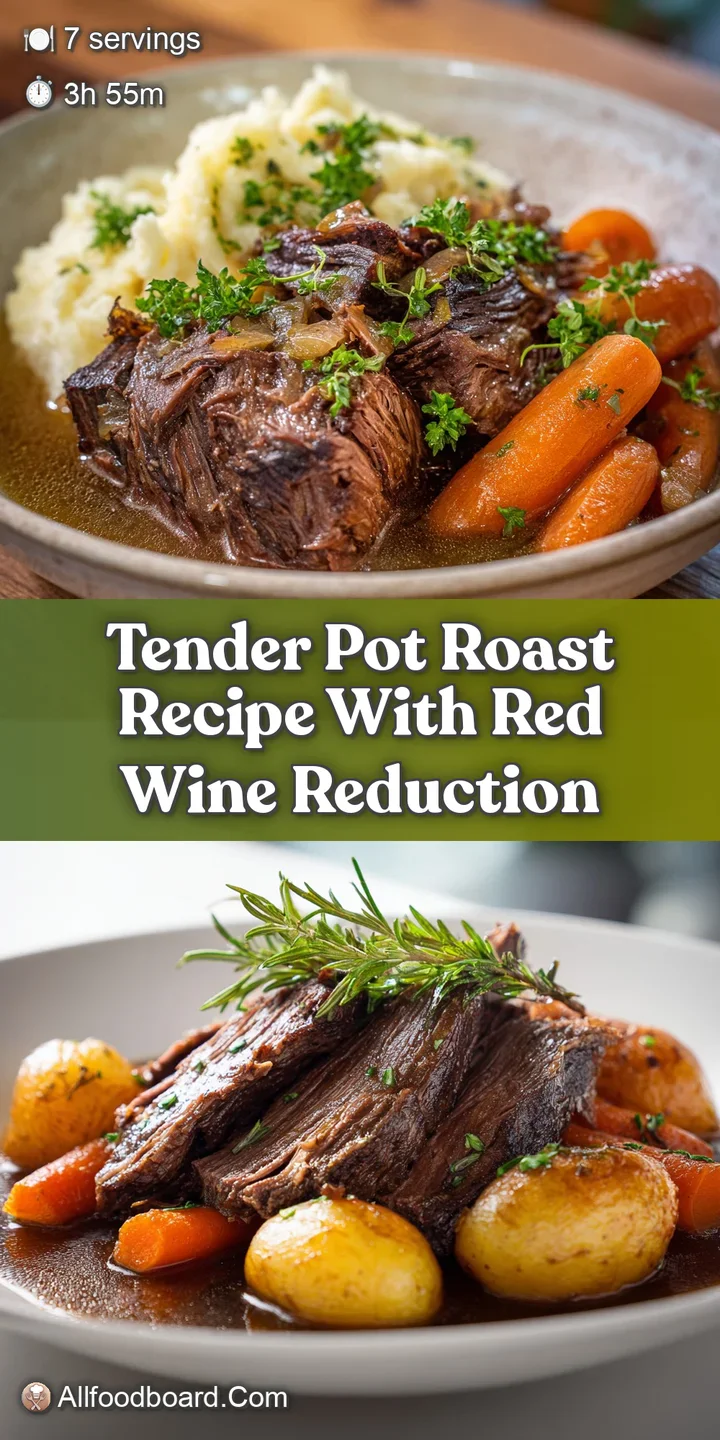
When you're ready to serve, don't just dump the pot onto a platter. Carefully lift the roast into the center and surround it with the carrots and potatoes. Use a wide, shallow bowl rather than a flat plate to catch all that silky juice.
Zero Waste Tip: Don't toss those onion pieces or herb stems. Strain the remaining liquid and keep it in a jar. It’s "liquid gold" that you can use as a base for French onion soup or to flavor a batch of rice later in the week.
Myths About Pot Roast
- Myth: Boiling the meat makes it tender. Truth: High heat actually tightens the protein fibers, making the meat tough. A gentle simmer is the only way to melt collagen.
- Myth: You must use a slow cooker. Truth: While convenient, a Dutch oven in the oven provides better top down heat and superior flavor development through evaporation and concentration.
Recipe FAQs
What is the secret to a good pot roast?
A deep, hard sear on all sides before braising. This Maillard reaction builds complex, savory flavors that cannot be achieved by simply simmering the meat. If you master searing here, you apply the same flavor building principle to dishes like our Beef Gyros Recipe.
What is the best liquid to cook pot roast in?
A combination of acidic wine and rich bone broth. The acidity from the wine helps break down the connective tissue, while the broth provides deep, savory mouthfeel. Water is too neutral and will yield a thin final sauce.
How many hours does it take to do a pot roast?
Plan for approximately 3.5 to 4 total hours. This breaks down into about 30 minutes of active searing and veggie softening, followed by 3 to 3.5 hours of slow, moist heat cooking until the meat is fork tender.
What cut of meat is pot roast usually?
Chuck roast is the ideal cut due to its marbling. Chuck contains abundant connective tissue (collagen) which slowly dissolves into gelatin during the long braise, resulting in that classic, velvety texture. Tougher cuts like chuck require this low and slow environment.
Must I sear the roast before putting it in the oven?
No, but you absolutely should for maximum flavor. Skipping the sear results in pale, steamed beef with minimal depth. Searing activates the Maillard reaction, which is essential for the flavor base of the entire dish.
When should I add the potatoes and carrots?
Add root vegetables after the meat has cooked for at least 2.5 hours. This staggered timing prevents the softer vegetables from breaking down into mush while the tough beef finishes tenderizing.
If you enjoy slow cooking tender vegetables, you might also try the technique in our Shepherds Pie recipe for similar timing control.
How do I make the final sauce rich and glossy without flour?
Finish the sauce with cold, grated butter off the heat. Whisk in the chilled butter one cube at a time to emulsify the liquid, creating a rich, natural sheen. This technique concentrates flavor without relying on a traditional roux.
Best Pot Roast Recipe
Ingredients:
Instructions:
Nutrition Facts:
| Calories | 699 kcal |
|---|---|
| Protein | 52.4 g |
| Fat | 38.6 g |
| Carbs | 25.1 g |
| Fiber | 3.6 g |
| Sugar | 4.2 g |
| Sodium | 393 mg |
