Poke Bowls: Quick Ahi Tuna Hawaiian Classic
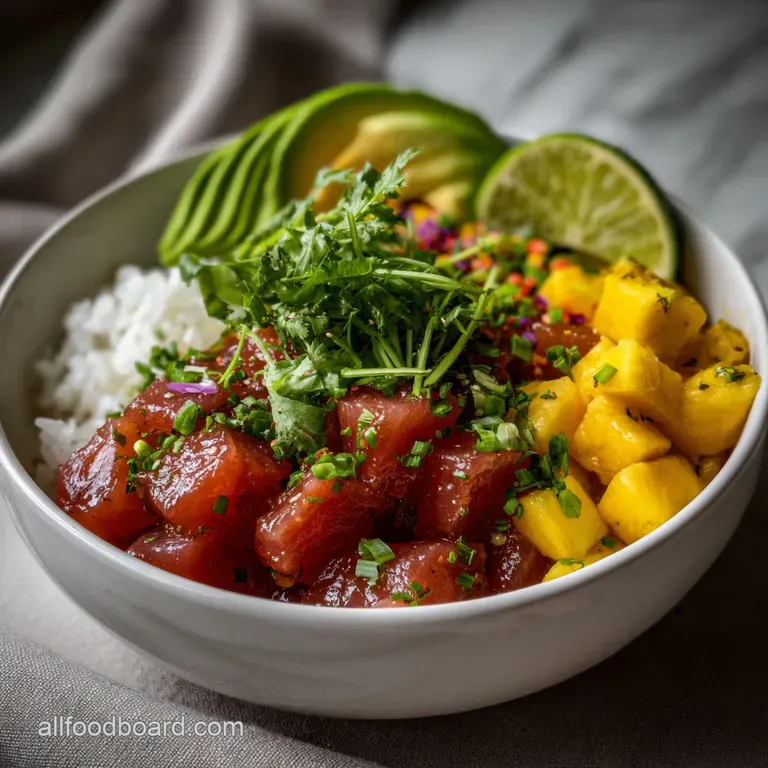
- Unlocking the Secret to Authentic Hawaiian Poke at Home
- The Science of Flavor: Why This Ahi Tuna Marinade Is Perfect
- Sourcing Sushi-Grade Ahi Tuna and Essential Pantry Staples
- The Method: How to Prepare, Marinate, and Build Your Ahi Poke
- Chef's Corner: Pro Tips and Troubleshooting Common Errors
- Practical Guide: Storage, Shelf Life, and Serving Pairings
- Recipe FAQs
- 📝 Recipe Card
Unlocking the Secret to Authentic Hawaiian Poke at Home
The moment that fragrant, toasted sesame oil hits the fresh, chilled tuna, you know something truly magical is happening. I swear, nothing beats the vibrant colours and satisfying textures of perfect Poke Bowls .
They are seriously addictive, offering an unbelievable balance of savory umami and bright, clean flavors.
Let’s be real, life is chaotic, and finding time for decent food is tough. This is the ultimate dinner lifesaver it’s fast, requires almost zero cooking (just the rice!), and feels like a massive culinary splurge.
This particular Poke Bowls recipe is one of those amazing [Good Healthy Recipes] that tastes complex but keeps you squarely in the clean eating lane.
So, ditch the pricey takeaway menus right now. Today, I’m walking you through exactly how to make restaurant quality, foolproof Poke Bowls right in your own kitchen.
Trust me, once you nail this perfect combination of flavor and texture, you’ll be making these Hawaiian classics every single week.
The Science of Flavor: Why This Ahi Tuna Marinade Is Perfect
This isn’t just about tossing fish with soy sauce; we are building layers of flavor that hit every spot on your palate. The brilliance of this specific marinade is the balance between the intense savoriness of the soy, the nuttiness of the sesame oil, and the vibrant heat from the fresh ginger and chili sauce.
What Makes Ahi Poke the Ultimate Fast Food?
The appeal of making Poke Bowls at Home is simple: speed and customization. Because the fish is served raw, the prep time is minimal, primarily dedicated to slicing and whisking. This is one of the quickest [Seafood Dishes] you can master, perfect for a 30 minute weeknight turnaround.
Plus, you control every single topping, meaning your bowl is exactly how you want it.
From Oahu to Your Kitchen: Tracing the History of Poke
The original concept of Poke (pronounced poh-kay ) started simply as a practical snack enjoyed by Hawaiian fishermen. It was rough cut reef fish, sometimes seasoned just with salt, seaweed, and crushed kukui nuts.
Today’s popular Poke Bowls evolved through Japanese influence, which introduced soy sauce, sesame oil, and of course, the beautifully seasoned sushi rice base we all love.
The Core Components of a Superior Poke Bowl
Every great bowl stands on four legs: the cold, clean protein; the sticky, warm rice base; the balanced, umami rich dressing; and the crisp, contrasting toppings. Missing one piece means your dish will fall flat, so pay attention to the details.
The foundation of excellent Poke Bowls Ingredients is always using the freshest items you can find.
Achieving the Ideal Texture: The Importance of the 'Clean Cut'
A key secret to professional grade Poke Bowls is how you cut the tuna. You want uniform, one-inch cubes that hold their shape against the marinade and offer a satisfying bite.
Use a very sharp knife and always slice when the fish is still extremely cold this prevents tearing and mushiness, ensuring that perfect firm texture.
Balancing Umami, Acidity, and Heat in the Dressing
Our marinade uses soy sauce for deep umami, ginger for zing, and chili sauce for heat. Crucially, we skip heavy citrus here, unlike many ceviches, because we want the tuna to marinate for a short period without cooking the delicate proteins.
This preserves the silky texture essential for truly delicious Poke Bowls .
The Crucial Role of Perfectly Seasoned Sushi Rice
You cannot skimp on the rice. The warm, slightly sweet, and tangy seasoned sushi rice is the perfect foil for the cool, salty fish. If your rice is just plain steamed white rice, you’ve missed half the flavour equation.
Taking the extra five minutes to prepare the vinegar seasoning mixture changes everything about the final experience of these Poke Bowls .
Sourcing Sushi Grade Ahi Tuna and Essential Pantry Staples
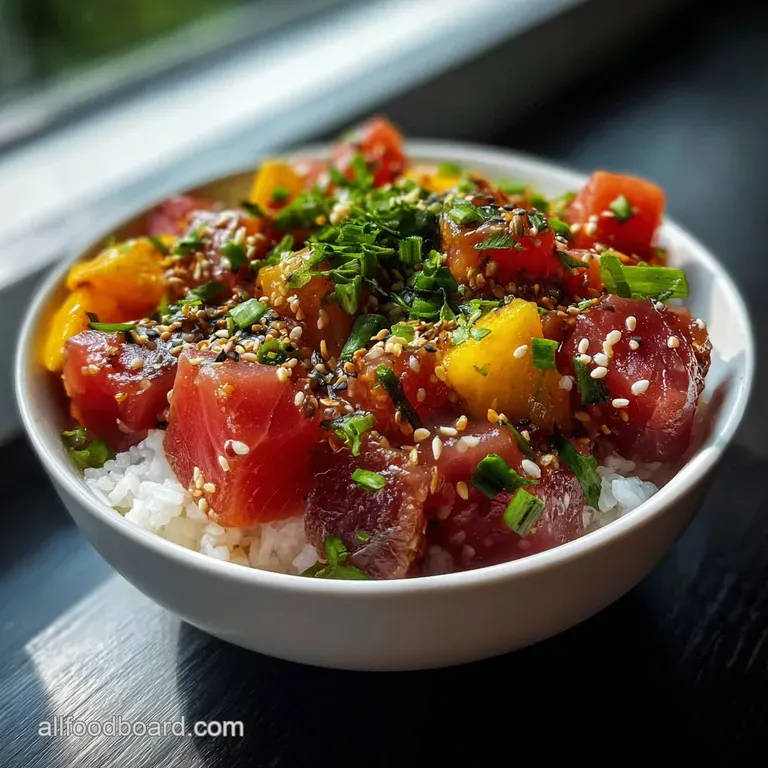
This section is non-negotiable, folks. Since we aren't cooking the fish, sourcing quality is paramount for both flavor and safety. Making high-quality Poke Bowls starts right here.
Identifying and Selecting the Freshest Raw Fish
You must use sushi grade, sashimi grade, or flash frozen tuna that is explicitly approved for raw consumption. Ask your fishmonger! Look for deep red colour without any browning or opaque edges. Do not buy fish from a generic grocery display unless it is clearly labeled for raw use.
When I was first learning to make Ahi Tuna Poke Recipe , I bought "fresh" tuna from a dodgy spot and it tasted metallic; never again.
Detailed Notes on Soy Sauce, Sesame Oil, and Fresh Aromatics
Use low-sodium soy sauce; regular soy sauce can make the marinade overwhelmingly salty, masking the tuna's delicate flavor. The sesame oil must be toasted sesame oil for that deep, nutty aroma. Also, please use fresh ginger, not the jarred stuff!
Fresh aromatics make all the difference in [Asian Dishes] like this.
Smart Swaps for Base and Crunch (Focus on rice variants and seeds)
If you’re watching carbs, you can absolutely make your Healthy Poke Bowl Recipe using quinoa, farro, or brown rice instead of traditional sticky rice.
For the crunch factor, toasted sesame seeds are standard, but try toasted slivered almonds or even crispy rice paper shreds for a wilder texture.
| Ingredient | Substitution Tip |
|---|---|
| Sushi Rice | Quinoa or short grain brown rice. |
| Soy Sauce | Tamari (GF) or Coconut Aminos. |
| Ahi Tuna | Sushi grade Salmon or Yellowtail. |
Essential Equipment Checklist: Knives and Mixing Bowls
A seriously sharp chef’s knife is the most important tool you’ll need to dice the cold tuna cleanly. For mixing the marinade, make sure you use a non-reactive bowl glass or ceramic is ideal.
This prevents the acid in the marinade from reacting with metal, which can give your beautiful poke a weird off-flavour.
The Method: How to Prepare, Marinate, and Build Your Ahi Poke
Preparing the Rice Foundation (The Vinegar Secret)
First, rinse the rice until the water is completely clear. This removes starch and gives you that beautiful, separate yet sticky texture. Once cooked, gently heat the rice vinegar, sugar, and salt until everything dissolves, then fold this mixture into the warm rice. You should be folding the rice, not smashing it.
The final rice should be slightly glistening and smell faintly sweet and sour.
Dicing the Tuna and Mixing the Umami Marinade
Ensure your tuna is cold from the fridge. Use that sharp knife to cut your tuna into uniform, one-inch cubes. Whisk the soy sauce, toasted sesame oil, ginger, and chili sauce (if using) together in your large mixing bowl. Now, gently fold the cubed tuna into the marinade until every piece is just coated.
The 15 Minute Rule: Timing is Everything for Marination
This is the secret sauce of making perfect Poke Bowls: Do not over marinate. Transfer the bowl to the fridge immediately. We want the tuna to absorb flavor, not cure. I recommend a minimum of 30 minutes, but absolutely no longer than 90 minutes.
If you leave it for hours, the soy sauce essentially cooks the edges, resulting in a firm, slightly chewy texture that we are trying to avoid.
Chef’s Note: Keep the tuna cold right up until serving. If your kitchen is warm, working over a bowl of ice while you cut and mix the tuna can drastically improve the final texture.
Layering and Garnishing for Maximum Visual Impact
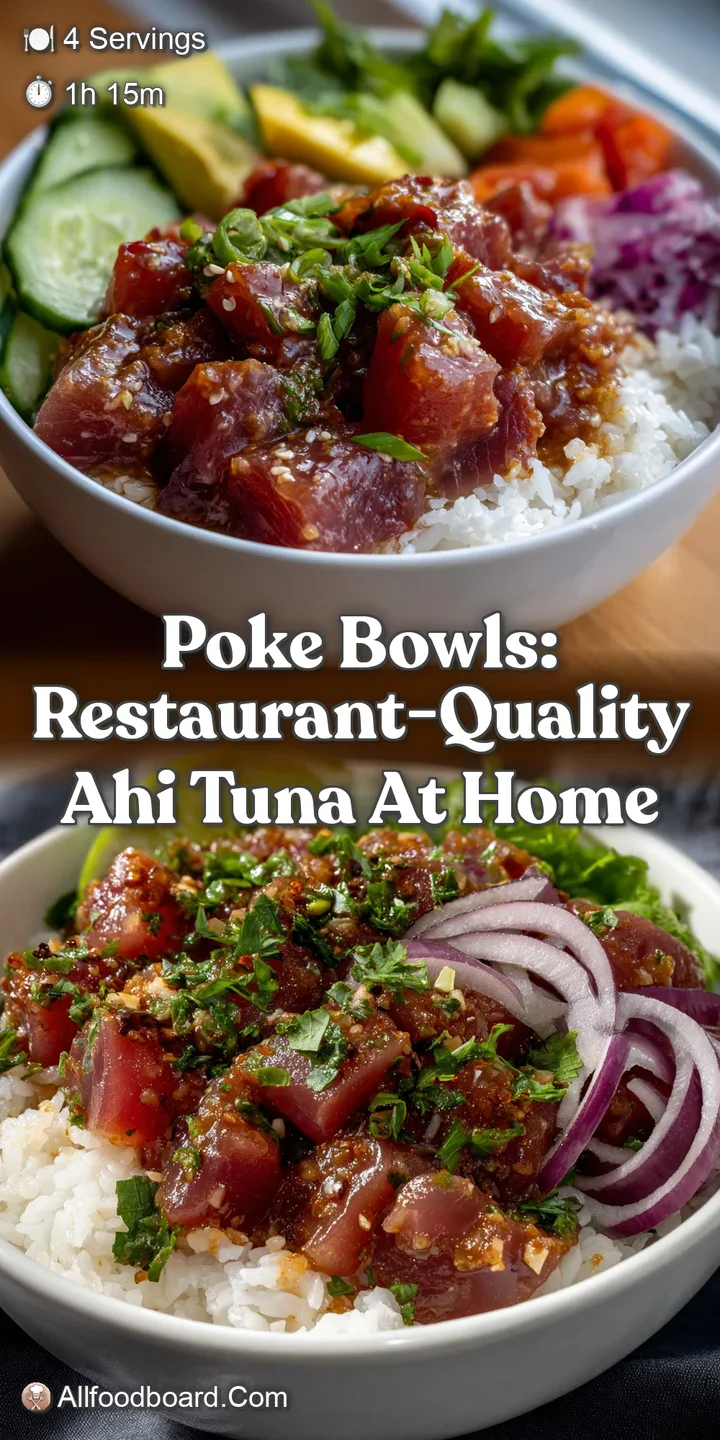
Start by placing a generous amount of warm, seasoned rice in the bottom of your bowl. Next, artfully arrange your toppings (avocado, edamame, cucumber) around the edges. Finally, spoon the chilled tuna and its marinade into the centre.
Garnish with those gorgeous black and white sesame seeds, thin slices of scallions, and shredded nori. Layering makes these Poke Bowls beautiful and ensures every bite has different textures.
Chef's Corner: Pro Tips and Troubleshooting Common Errors
Common Mistakes When Preparing Raw Seafood at Home
The number one mistake is temperature negligence. The tuna must remain cold from the moment you slice it until the moment it hits the bowl. Another common error is using a dull knife, which tears the fish and creates a messy, inferior texture.
Investing in one good knife is crucial for this and other [Clean Eating Recipes].
Temperature Control: Keeping the Tuna Safely Chilled
Work swiftly! If you take longer than 15 minutes to slice and mix the tuna, put it back in the fridge halfway through. When serving Poke Bowls , if you are not eating immediately, keep the marinated fish in the coldest part of the refrigerator.
Avoiding a Soggy Bowl: Marinade Application Techniques
Never pour the marinade directly over the rice and let it sit. That is the express train to a soggy, unappetizing base. We want the marinade clinging tightly to the fish. Any residual liquid should only touch the rice just before consumption. This ensures the best texture for your Poke Bowls .
Practical Guide: Storage, Shelf Life, and Serving Pairings
Safety First: How Long Can Raw Poke Last?
Since this involves raw fish, food safety is paramount. Once the tuna is marinated and mixed, it should be consumed within 24 hours, kept continuously refrigerated. Ideally, prepare and eat your delicious Poke Bowls on the same day for maximum freshness and safety.
Reimagining Leftovers (If You Have Them)
Let’s be honest, leftovers of these Poke Bowls are rare, but if you do have marinated tuna remaining, don't try to save it for day three. You can flake the tuna and use it as a brilliant topping for a fresh green salad or even turn it into a savory filling for sushi hand rolls.
Do not reheat raw fish.
Authentic Hawaiian Sides to Complement the Meal
To make this meal feel truly special, pair your Ahi Tuna Poke Recipe with some simple sides. A light, vinegary cucumber salad or some perfectly cooked, salted edamame pods are perfect.
For those who want another satisfying bowl experience for breakfast, you might love my take on [High Protein Cottage Cheese Breakfast Bowls Recipe] totally different flavor profile, but equally easy! Enjoying these amazing Poke Bowls should be a full experience, so make it fun!
Recipe FAQs
How do I ensure the tuna I use is safe to eat raw?
It is absolutely essential to use only "sushi grade" or "sashimi grade" Ahi tuna from a trusted, reputable fishmonger. This designation means the fish has been flash frozen to eliminate parasites, making it safe for raw consumption.
Can I prepare the poke bowl ingredients ahead of time?
While you can prepare and refrigerate the rice and the marinade separately, the tuna should only be marinated for a short time, generally 15 to 30 minutes maximum. Marinating the fish longer than 30 minutes allows the soy sauce and acid to "cook" the fish, altering its delicious, fresh texture.
My rice is too sticky and gluey. What went wrong?
This is usually caused by excess starch remaining on the grains before cooking. Ensure you rinse the Japanese short grain rice repeatedly under cold running water until the water runs completely clear before adding it to your rice cooker or pot.
I don't eat fish. Can this recipe be adapted for a vegan diet?
Yes, you can substitute the Ahi tuna with firm, pressed tofu (cubed) or even roasted, diced beets. These alternatives absorb the marinade beautifully, though you should let them soak for at least 1 to 2 hours to achieve maximum flavor penetration.
The marinade tastes too salty. How can I balance the flavors?
If the umami from the soy sauce is overpowering, balance the flavor profile by introducing a touch more acidity or sweetness. Try adding a teaspoon of honey or maple syrup, or a squeeze of fresh lime juice to cut through the saltiness.
What is the most crucial element for adding texture to a poke bowl?
A great poke bowl requires contrast; the soft fish and rice need crunch. Essential textural elements include toasted sesame seeds, crispy fried onions or shallots, crushed macadamia nuts, or the addition of thinly sliced radishes or cucumber.
How should I store leftovers, and can I freeze poke bowls?
Poke bowls containing raw fish are best consumed immediately after preparation and should never be frozen, as this destroys the delicate texture of the tuna. If you must store leftovers, place them in an airtight container immediately and consume them within 24 hours.
Ahi Tuna Poke Bowls Recipe
Ingredients:
Instructions:
Nutrition Facts:
| Calories | 1026 kcal |
|---|---|
| Protein | 48.8 g |
| Fat | 30.2 g |
| Carbs | 111.9 g |
