Chicken and Egg Noodles: the Ultimate Creamy Version
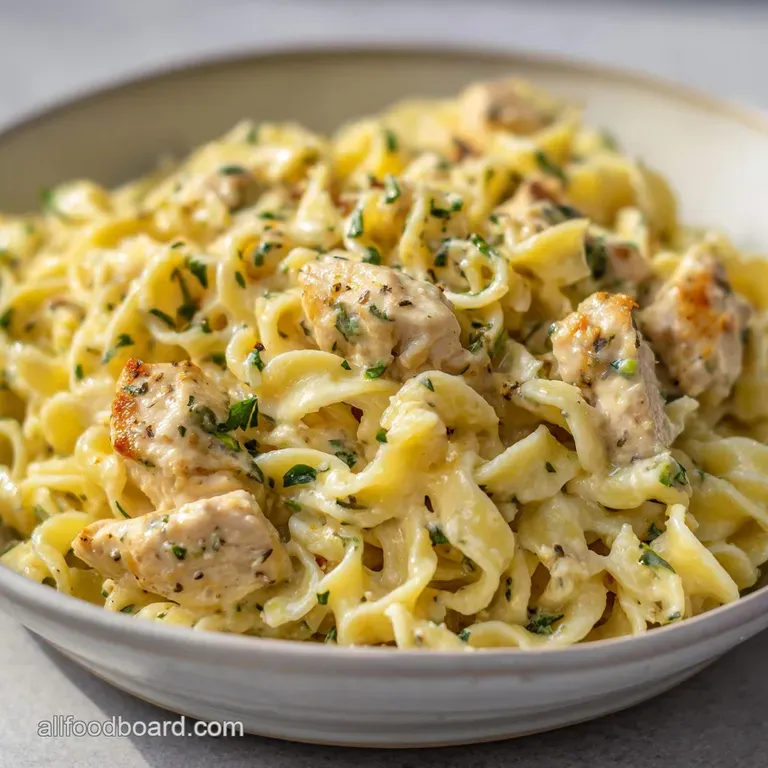
- The Ultimate Creamy Chicken and Herb Egg Noodles: A Recipe Overview
- Culinary Science: Why This Creamy Noodle Dish Is So Satisfying
- Essential Ingredients and Ingredient Swaps for the Ultimate Comfort Meal
- Step-by-Step Guide: Preparing Your Hearty Chicken and Noodles
- Expert Tips and Troubleshooting for Perfect Results
- Storing and Reheating: Keeping Your Leftovers Delicious
- What to Serve with Classic Chicken and Egg Noodles
- Recipe FAQs
- 📝 Recipe Card
The Ultimate Creamy Chicken and Herb Egg Noodles: A Recipe Overview
When that deep, bone weary craving for comfort hits, there is simply nothing better than a steaming bowl of Chicken and Egg Noodles . The aroma alone savory herbs mixed with rich, buttered stock is enough to make you feel instantly cozy.
It smells like everything right in the world. This isn't your grandma’s watery soup; we’re talking deeply flavorful, stick-to-your ribs, velvety noodles coated in a luxurious cream sauce that demands a long nap afterward.
Honestly, this recipe is a culinary lifesaver; it’s fast, unbelievably comforting, and relies on ingredients you probably already have stashed away. It takes simple pantry staples and transforms them into something spectacular, making it my go-to when I need a hug in a bowl, fast.
Making Homemade Chicken and Egg Noodles is also far cheaper than ordering takeout, and the flavour depth is incomparable.
We are going to ditch the canned soup approach entirely today, folks. We’re building our base from scratch, searing the chicken properly, and creating a perfect, lump free roux that gives the Chicken and Egg Noodles their signature opulent texture. Let’s crack on and get cooking!
Culinary Science: Why This Creamy Noodle Dish Is So Satisfying
Rediscovering the Classic Comfort Dish
The reason classic dishes endure is simple: they hit every textural and flavor requirement. The magic behind successful Classic Chicken and Egg Noodles lies in the contrast between the springy, tender noodles and the deeply savory, velvety sauce.
We’re aiming for a hug in a bowl, not a sad bowl of mush, which means paying attention to how we cook both the protein and the starch.
Flavor Profile: Why Our Broth Stands Apart
We start with a sear. Trust me on this : Searing the chicken until it develops a deep golden crust (we call those brown bits the fond ) is crucial.
Those caramelised proteins are scraped up later by the aromatic vegetables, forming the foundation of a robust, umami rich broth that store-bought stock could never replicate. This robust base is what separates good Chicken and Egg Noodles from truly great ones.
Prep Time, Cook Time, and Yield At-a-Glance
This detailed recipe might seem involved, but the active cooking time is surprisingly manageable. This approach yields six wonderfully hearty servings.
| Stage | Duration | Notes |
|---|---|---|
| Prep Time: | 20 minutes | Chopping vegetables, trimming chicken. |
| Cook Time: | 40 minutes | Simmering, developing the roux, and finishing. |
| Total Time: | 1 hour 0 minutes |
Building a Deep Umami Base Through Searing
Searing isn't just for looks; it's flavor engineering! By heating the meat quickly in a mixture of butter and oil, you initiate the Maillard reaction, creating hundreds of complex, savory flavor compounds.
When you make this version of Chicken and Egg Noodles , you are essentially brewing an intense, homemade stock right in your pot, which is vital before adding the creamy elements.
Achieving the Velvety Texture (The Roux Technique)
The secret to a luscious, non-slimy sauce for your Velvety Chicken and Egg Noodles is the roux. A roux (equal parts fat and flour, cooked briefly) suspends the fat particles and prevents the sauce from separating once the cream is added.
The key is cooking the roux long enough about two minutes to eliminate the raw flour taste but not so long that it turns dark brown. Adding the hot liquid slowly prevents any dreadful clumping.
The Role of Herbs in Balancing the Richness
We rely on humble thyme and bay leaves in the simmering phase, and then bright, fresh parsley at the end. These green elements cut through the inherent heaviness of the cream and the noodles. Without that herbal lift, the Chicken and Egg Noodles can taste one-dimensional and heavy.
The fresh parsley finish is non-negotiable for that necessary pop of color and freshness.
Essential Ingredients and Ingredient Swaps for the Ultimate Comfort Meal
Making Rich Chicken Noodle Soup Recipe doesn't require a dozen exotic ingredients; quality basics are what matter. Here is what you need and what you can swap if you're in a pinch.
Selecting the Best Cut of Chicken for Slow Simmering
I am a staunch believer in boneless, skinless chicken thighs for this dish. They stay moist, are packed with flavour, and won’t dry out during the 20 minute simmer required to flavor the broth.
If you prefer white meat, go for chicken breasts, but slice them into large chunks and remember to pull them out as soon as they hit 165°F (74°C). Overcooked breast meat ruins great Chicken and Egg Noodles .
Navigating the Egg Noodle Aisle: Wide vs. Thin
For a truly authentic bowl of Classic Chicken and Egg Noodles , you want the wide, broad egg noodles. Their surface area is fantastic for clinging onto the rich, creamy sauce.
If all you have are thinner egg noodles or even standard fettuccine, they absolutely work just reduce their cook time slightly so they maintain that satisfying al dente chew.
Crafting a Flavorful Mirepoix (Aromatic Vegetable Blend)
The mirepoix is the holy trinity of savory cooking: onion, carrots, and celery. Don't rush sautéing them; they must be soft and slightly translucent before you add the garlic.
This process releases their natural sweetness, which balances the savory components of the Comfort Food Chicken Noodles .
Allergy and Dietary Modifications
We all have different needs, so here are a few simple swaps to keep your Chicken and Egg Noodles dish accessible:
| Ingredient | Viable Substitution | Notes |
|---|---|---|
| Chicken | Turkey Thighs or Breast | Simmer turkey just until cooked through. |
| Dairy (Milk/Cream) | Full Fat Coconut Milk or Oat Milk | Use a thick, unsweetened variety for best results. Note: Flavour profile will change slightly. |
| Flour (Roux) | Cornstarch/Cornflour | Use 1 Tbsp of cornstarch mixed with 2 Tbsp cold water as a slurry, added at the end. |
step-by-step Guide: Preparing Your Hearty Chicken and Noodles
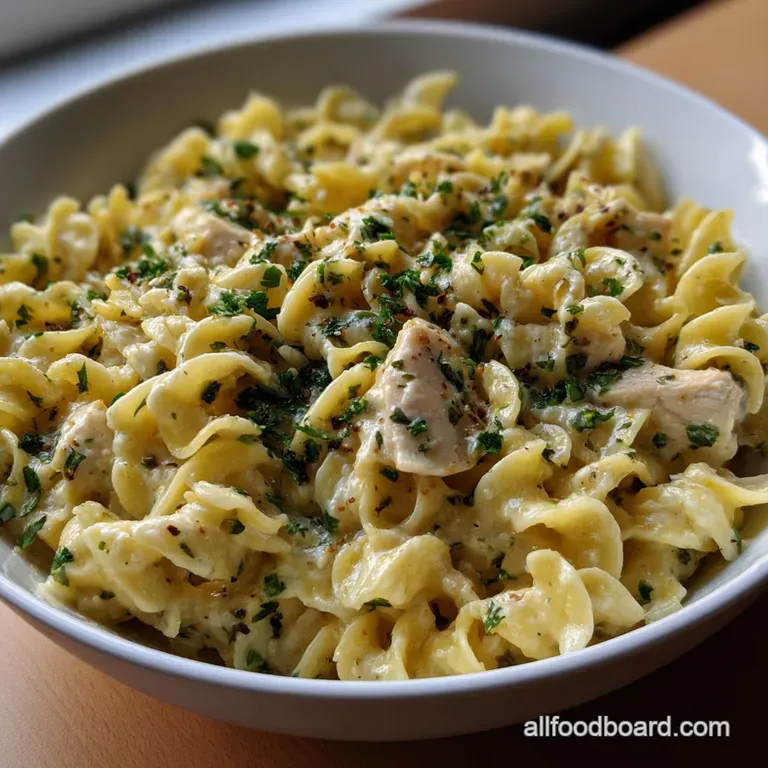
This is where the magic happens. Follow these phases carefully for the best possible outcome.
Phase I: Searing and Building the Base Stock
1. Searing for Depth: Pat those chicken thighs dry and season them aggressively. Heat your Dutch oven with the first two tablespoons of butter and oil over medium high heat. Sear the chicken in batches; crowding the pan lowers the temperature and prevents proper browning.
Once a beautiful golden crust forms, remove and set it aside. This crust is essential for the depth of the final Chicken and Egg Noodles .
2. SSautéing the Aromatics: Reduce the heat to medium. Add the remaining butter and throw in the onion, carrots, and celery. Cook them slowly, stirring often, scraping up all those delicious brown bits from the bottom of the pot.
Cook until they are wonderfully soft, maybe 6- 8 minutes.
3. Simmering the Stock: Stir in the garlic and dried thyme for just one minute until fragrant don't let the garlic burn! Return the chicken to the pot, pour in the high-quality stock, and add the bay leaves.
Bring it just to a gentle simmer, cover partially, and let it cook for 20 minutes.
Phase II: Creating the Velvety Sauce and Shredding the Chicken
4. Shredding: Remove the chicken and shred it coarsely. Remove and ditch the bay leaves. Keep the remaining stock warm on the stove; we need it hot for the roux.
5. Making the Roux Base: This is critical. In a separate saucepan, melt the 4 Tbsp of butter over medium heat. Whisk in the 4 Tbsp of flour continuously for two minutes. This pale, bubbling paste is the roux.
6. Thicken and Cream: Slowly, slowly , ladle about two cups of the hot chicken stock into the roux while whisking vigorously. It will thicken almost instantly. Once smooth, whisk in the milk and heavy cream.
Simmer this luscious sauce gently for 5 minutes until it coats the back of your spoon beautifully.
7. Combining: Pour the now thickened, creamy mixture back into the Dutch oven with the remaining stock. Stir thoroughly. Add the shredded chicken back in. Now is the moment to taste and adjust the seasoning.
If you want truly standout Chicken and Egg Noodles , add that tiny splash of fresh lemon juice it lifts the entire dish.
Phase III: Combining the Noodles and Finishing the Dish
8. Cooking the Egg Noodles: Cook the egg noodles in a separate pot of heavily salted water. Cook them al dente —they will continue to absorb liquid in the sauce.
If you cook them directly in the broth, they absorb too much starch and turn your beautiful sauce into wallpaper paste.
9. Finishing the Dish: Drain the noodles completely and immediately add them to the creamy chicken mixture. Stir gently to ensure every piece of chicken and every noodle is coated in that velvety sauce. Garnish with fresh parsley.
This magnificent Chicken and Egg Noodles Recipe is ready to eat!
Expert Tips and Troubleshooting for Perfect Results
Preventing the Sauce from Breaking or Thinning
If your sauce looks broken or oily, it likely got too hot after the cream was added. Keep the simmer low . If it’s too thin, whisk in a tablespoon of flour mixed with cold water (a slurry) into the simmering sauce. The best Homemade Chicken and Egg Noodles depend on that perfect texture. If you've previously made my Chicken Spinach Pasta: Creamy Garlic Recipe Ready in 30 Minutes , you know how important temperature control is with dairy!
Common Mistakes When Simmering Chicken
The most common error is boiling the stock violently. Rapid boiling toughens the chicken and makes the broth cloudy. You want a gentle, relaxed simmer, barely breaking the surface. If you are aiming for true comfort, low and slow is always the way to go when preparing Chicken and Egg Noodles .
Adjusting Consistency: Too Thick vs. Too Thin
Too Thick? This usually happens if the roux cooked too long or the noodles absorbed too much liquid. Simply add more warm chicken stock or a splash of milk until it reaches your desired consistency.
Too Thin? If you skipped the roux or didn't cook it properly, the sauce will be thin. The fastest fix is a cornstarch slurry (as mentioned above). Whisk it in slowly until it thickens. Be patient; it sometimes takes a minute or two to kick in.
Storing and Reheating: Keeping Your Leftovers Delicious
Optimal Refrigeration Techniques
The beauty of Chicken and Egg Noodles is that they make incredible leftovers. Once completely cool, transfer the noodles and sauce to an airtight container. It will keep safely in the refrigerator for up to 3 4 days.
Be warned: the noodles will absorb more liquid overnight, so the dish will thicken considerably.
Can You Freeze Chicken and Egg Noodles? (Freezing Guide)
Does it freeze well? I’m going to be brutally honest: No, not optimally. Dishes thickened with a flour roux and dairy tend to separate and become grainy once thawed. However, if you must freeze it, do so before adding the noodles or the cream.
Freeze just the shredded chicken and the base stock. Then, when ready to eat, thaw the stock base, make a fresh roux, and add the cream and freshly cooked noodles. This ensures the best texture for your future Chicken and Egg Noodles .
Best Practices for Reheating Creamy Sauces
To reheat refrigerated Chicken and Egg Noodles , place the leftovers in a saucepan over medium low heat. Because the noodles have absorbed so much liquid, you MUST add a splash of extra liquid (stock or milk) when reheating. Stir constantly and heat slowly until just warmed through.
Never reheat creamy sauces in the microwave at high power , as it encourages the fats to break and separate.
What to Serve with Classic Chicken and Egg Noodles
Because this dish is so rich and hearty, it pairs best with simple, clean sides that offer textural contrast.
- A Bright Salad: A vinaigrette dressed mixed green salad cuts the richness perfectly. Try a sharp mustard dressing.
- Simple Veggies: Steamed green beans or broccoli tossed lightly with lemon zest and olive oil offer a fresh bite.
- Bread for Mopping: A crusty French baguette or sourdough is essential for getting every last drop of that creamy sauce. If you’re a fan of soup and bread, you might also love my Orzo Chicken Soup: Hearty Lemon Broth Recipe , which offers a completely different, lighter comfort.
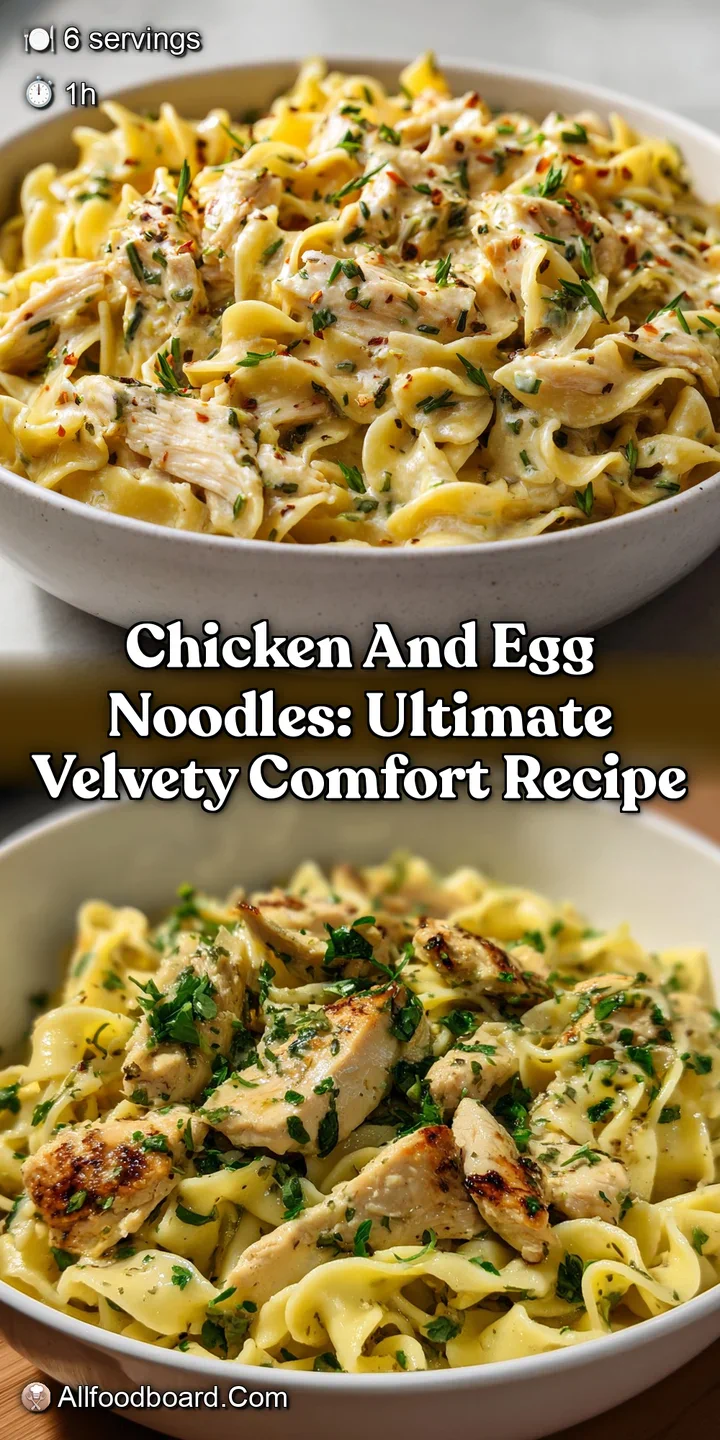
This Chicken and Egg Noodles dish is more than just dinner; it’s a commitment to cosy living. It proves that the most familiar flavors, when prepared with patience and love, are always the best. Enjoy every warm, savory, velvety bite!
Recipe FAQs
How do I achieve that deep, 'old-fashioned' flavor profile in the broth?
The secret lies in developing the base flavor before the liquid goes in. Sear your chicken until deeply golden brown, and sauté the mirepoix (onions, carrots, celery) until they are soft and slightly caramelized, which builds foundational savory depth known as umami.
Furthermore, always use high-quality chicken broth or the cooking liquid from simmering the bone-in chicken itself for maximum richness.
Why is my sauce runny/watery, and how can I thicken it naturally?
A runny sauce usually means the liquid wasn't reduced enough or the noodles released too much residual water. To thicken, mix a tablespoon of cornstarch or flour with an equal part of cold water (a slurry) and whisk it gradually into the simmering sauce.
Allow it to cook for 2 3 minutes after adding the slurry to ensure the starch activates and the raw flavor cooks out.
Can I use dried wide egg noodles, or must I use fresh ones for the best texture?
While fresh egg noodles provide a wonderful, tender texture and soak up the sauce beautifully, high-quality dried wide egg noodles (often labeled as "Homestyle") are perfectly acceptable.
If using dried, slightly undercook them separately, and then finish cooking them directly in the sauce to release their starch and thicken the final dish slightly.
What is the secret to creating a truly rich, deep broth without relying on packaged stock?
The richness comes from simmering bone-in chicken parts, such as thighs or backs, for at least 60 90 minutes with the mirepoix and aromatics. This slow simmer extracts collagen, flavor, and gelatin, which provides a natural, velvety mouthfeel without the need for heavy cream or processed thickeners.
Ensure the bones are fully covered with cold water when starting the process.
How can I adapt this recipe for a quicker, more simple weeknight meal?
For a speedier version, skip the initial chicken searing step and use pre-cooked rotisserie chicken, which saves considerable time on preparation. Use a high-quality store-bought bone broth instead of building the broth from scratch, and simply simmer the mirepoix until tender before adding the pre-shredded chicken and noodles.
Can I substitute boneless chicken breasts for the recommended bone-in chicken thighs?
Yes, boneless chicken breasts can be used, but be mindful that they dry out much faster than bone-in cuts. If using breasts, poach them until just done, remove them immediately to shred, and then return them to the broth at the very end to prevent a rubbery texture.
Bone-in thighs, however, contribute crucial fat and flavor to the foundational stock.
How long can I store leftovers, and does this dish freeze well?
Leftovers store excellently in an airtight container in the refrigerator for up to 3 to 4 days, though the egg noodles will continue to absorb the sauce upon cooling, resulting in a much thicker dish.
Freezing is generally not recommended for noodle dishes, as the starch structure breaks down and can result in a mushy or overly soft texture upon thawing and reheating.
Velvety Chicken And Egg Noodles
Ingredients:
Instructions:
Nutrition Facts:
| Calories | 297 kcal |
|---|---|
| Protein | 9.3 g |
| Fat | 13.8 g |
| Carbs | 26.3 g |
