The Ultimate Butter Chicken Recipe: Silky and Tender
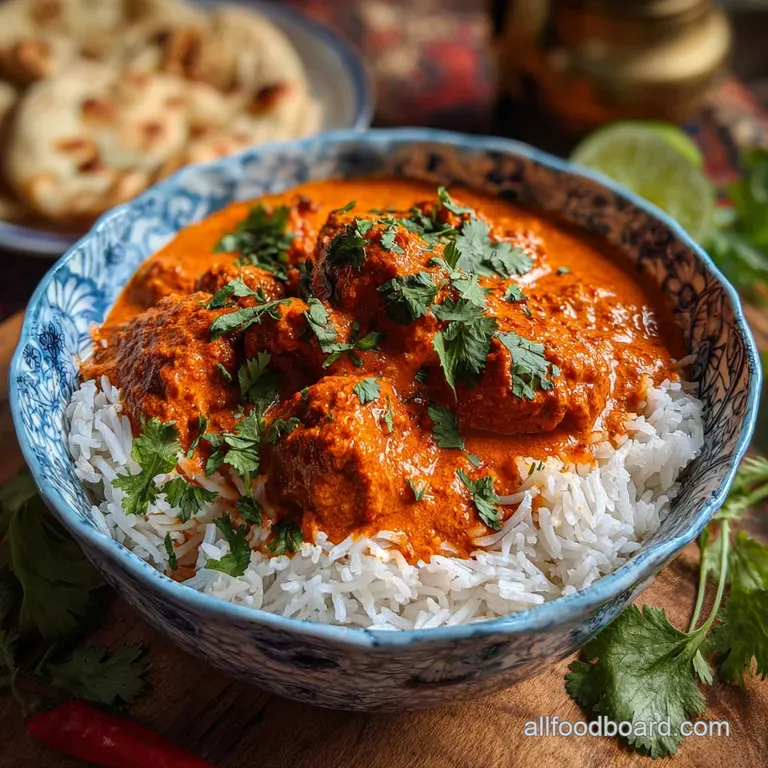
- Time: Active 15 minutes, Passive 25 minutes, Total 40 minutes
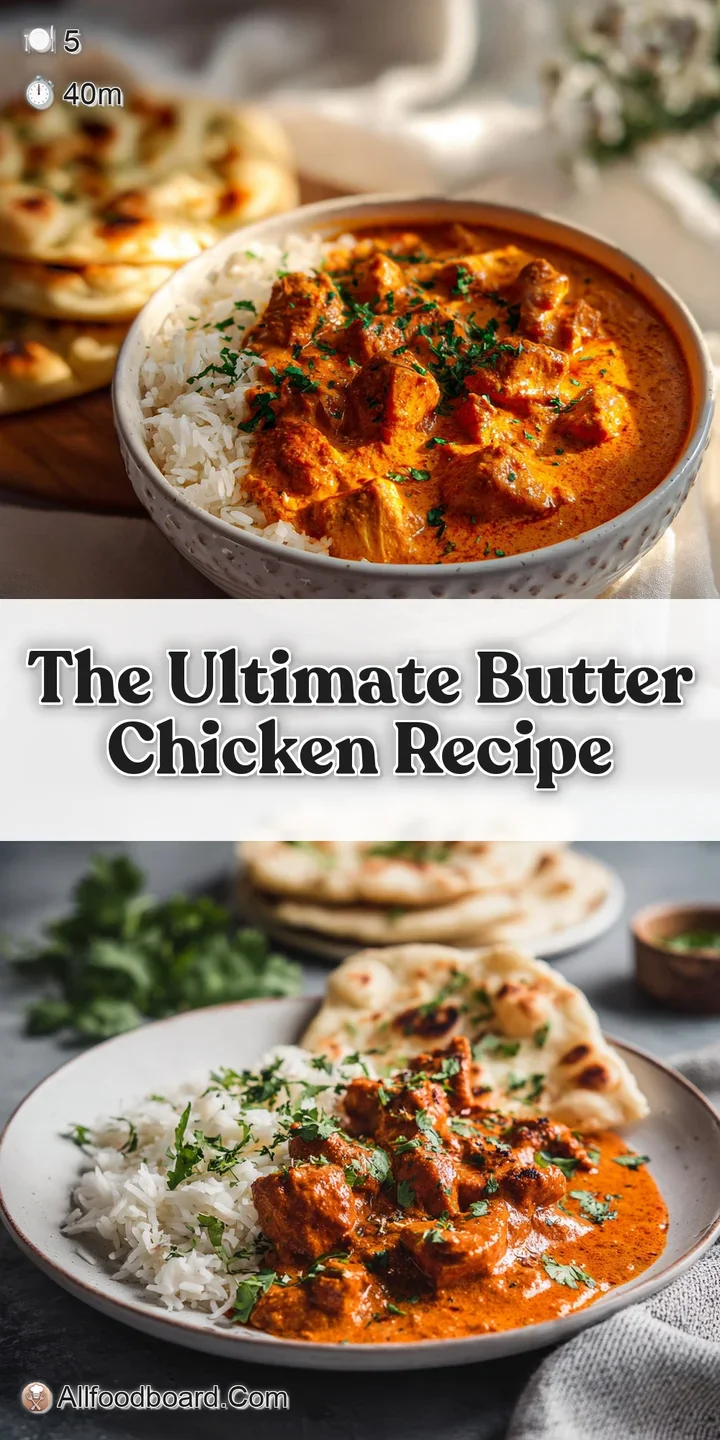
- Flavor/Texture Hook: Silky, buttery sauce with tender, char kissed chicken pieces
- Perfect for: A cozy weekend dinner or impressing guests at a family gathering
- How to Master the Ultimate Butter Chicken Recipe Every Time
- The Molecular Magic of Spiced Emulsions
- Selecting Your Preferred Cooking Method
- The Chemistry of the Ingredient Profile
- Essential Components and Smart Substitutions
- Necessary Kitchen Tools for Success
- The Step-by-Step Cooking Process
- Strategies for Avoiding Kitchen Disasters
- Adjusting the Recipe for Different Needs
- Debunking Common Preparation Myths
- Dietary Adaptations and Creative Twists
- Guidelines for Storage and Reheating
- Perfect Pairings for a Traditional Feast
- High in Sodium ⚠️
- Recipe FAQs
- 📝 Recipe Card
How to Master the Ultimate Butter Chicken Recipe Every Time
The first time I really understood why people obsess over this dish, it wasn't at a fancy restaurant with white tablecloths. It was in my own tiny kitchen, hovering over a bubbling pot that smelled so intensely of toasted fenugreek and warm cumin that my neighbor actually knocked on the door just to see what was happening.
I remember the exact moment the heavy cream hit the vibrant tomato base, swirling into that iconic sunset orange. It felt like magic, but honestly, my first few tries before that were a bit of a mess.
I used to end up with chicken that was tough as boots or a sauce that tasted more like a basic pasta topping than an authentic Murgh Makhani. I’ve spent months tweaking the ratios, failing, and finally figuring out the specific rhythm that makes it work.
You don't need a clay tandoor oven; you just need to understand how the fat and the acid play together to create that velvety texture we all crave. This version is the result of all those "oops" moments turned into a foolproof method.
We are going for a sauce that doesn't just wash over the meat but clings to it with purpose. It’s rich, it’s decadent, and it’s surprisingly simple once you stop overcomplicating the steps.
Whether you’re a seasoned cook or just looking for a reliable win, this approach strips away the fluff and focuses on what actually creates depth. Let’s get that pan heating up and transform these simple ingredients into something spectacular.
The Molecular Magic of Spiced Emulsions
Acidic Tenderization: The lactic acid in the 0.5 cup plain full fat Greek yogurt breaks down the lean protein fibers in the chicken thighs, ensuring they stay juicy even at high heat.
Fat Soluble Extraction: Searing the spices in 4 tbsp unsalted butter and 1 tbsp neutral oil allows the flavor compounds in the garam masala and cumin to dissolve into the fat, distributing the aroma evenly throughout the entire sauce.
Selecting Your Preferred Cooking Method
Choosing between the stovetop and the oven changes the texture of your chicken and the depth of the sauce. While the stovetop is faster and creates a better emulsion, the oven offers a hands off approach that mimics the dry heat of a traditional tandoor.
| Method | Cook Time | Texture Outcome | Best For |
|---|---|---|---|
| Stovetop | 25 minutes | Silky sauce and moist chicken | Quick weeknight cravings |
| Oven Roast | 35 minutes | Charred edges and concentrated flavor | Replicating restaurant smokiness |
| Slow Cooker | 4 hours (Low) | Fall apart tender meat | Busy meal prep days |
If you are looking for a different profile altogether, you might enjoy the sharp, bright notes in this Thai Chicken Lettuce recipe which uses a completely different heat management technique. However, for the soul warming richness of an Indian classic, sticking to the stovetop is usually my go to recommendation for beginners because you have total control over the sauce's thickness.
The Chemistry of the Ingredient Profile
Understanding why we use specific components helps you become a more intuitive cook. It isn't just about following a list; it's about knowing how each piece of the puzzle fits into the final flavor landscape.
| Ingredient | Science Role | Pro Secret |
|---|---|---|
| Greek Yogurt | Protein Denaturant | Use full fat only; low-fat versions split under high heat and create a grainy sauce. |
| Tomato Purée | Acidic Base | Sieve the purée if it has seeds to ensure the final sauce is perfectly velvety. |
| Kasuri Methi | Aromatic Bridge | Rub the leaves between your palms to release the essential oils before stirring them in. |
| Heavy Cream | Emulsifying Agent | Temper the cream by mixing it with a spoonful of warm sauce before adding it to the pot. |
Every ingredient in this list serves a purpose beyond just taste. The 1.5 lbs boneless chicken thighs are chosen over breasts because they contain more connective tissue, which transforms into gelatin during the simmer, contributing to the body of the gravy.
The 1 tbsp ginger garlic paste acts as a pungent aromatic that cuts through the richness of the butter and cream.
Essential Components and Smart Substitutions
Gathering your elements is the first step toward success. I always recommend having everything measured out (mise en place) because the sauce comes together quickly once the heat is on.
- 1.5 lbs boneless chicken thighs: Cut into 1 inch pieces. Why this? Thighs remain succulent and withstand the two stage cooking process better than breasts.
- Substitute: Paneer cubes or cauliflower florets for a vegetarian version.
- 0.5 cup plain full fat Greek yogurt: The primary tenderizer.
- Substitute: Full fat sour cream (adds a slight tang).
- 1 tbsp lemon juice: Brightens the marinade.
- Substitute: Lime juice or white vinegar.
- 1 tbsp ginger garlic paste: The flavor backbone.
- Substitute: 2 tsp finely minced fresh ginger and 3 cloves of crushed garlic.
- Spices (Garam Masala, Cumin, Kashmiri Red Chili): The aromatic trio.
- Substitute: For Kashmiri chili, use a mix of smoked paprika and a pinch of cayenne.
- 4 tbsp unsalted butter: Divided for searing and finishing.
- Substitute: Ghee (provides a higher smoke point and nuttier aroma).
- 1.5 cups tomato purée: The sauce foundation.
- Substitute: Crushed canned tomatoes blended until completely smooth.
- 0.5 cup heavy cream: For the velvety finish.
- Substitute: Full fat coconut milk (note: this will add a distinct tropical flavor).
- 1 tsp dried fenugreek leaves (Kasuri Methi): The "secret" restaurant ingredient.
- Substitute: A tiny pinch of ground celery seed mixed with maple syrup (in a pinch).
Chef Tip: If you can't find Kashmiri red chili powder, don't just swap it 1:1 with standard chili powder. Kashmiri chili is prized for its vibrant red color and mild heat. Use 1 tsp of paprika mixed with 1/4 tsp of cayenne to get that beautiful glow without burning your palate.
Necessary Kitchen Tools for Success
You don't need a kitchen full of gadgets, but a few specific items make the process much smoother. A heavy bottomed skillet or a Dutch oven is non negotiable here because it distributes heat evenly, preventing the tomato purée from scorching.
- Large mixing bowl: For the yogurt marinade.
- Heavy bottomed skillet (12 inch): A cast iron or stainless steel pan provides the best sear.
- Silicone spatula: Essential for scraping the bottom of the pan to incorporate those brown bits (fond).
- Measuring spoons and cups: Precision matters for the spice balance.
- Whisk: To smoothly incorporate the heavy cream at the end.
If you happen to be making a large batch, using a stand mixer with a paddle attachment can actually help mix the marinade into the chicken more thoroughly, though a sturdy spoon works just fine for most home cooks. Just like the Garlic Butter Chicken recipe you might have tried, the key is ensuring the pan is hot enough to create a sear without boiling the meat in its own juices.
The step-by-step Cooking Process
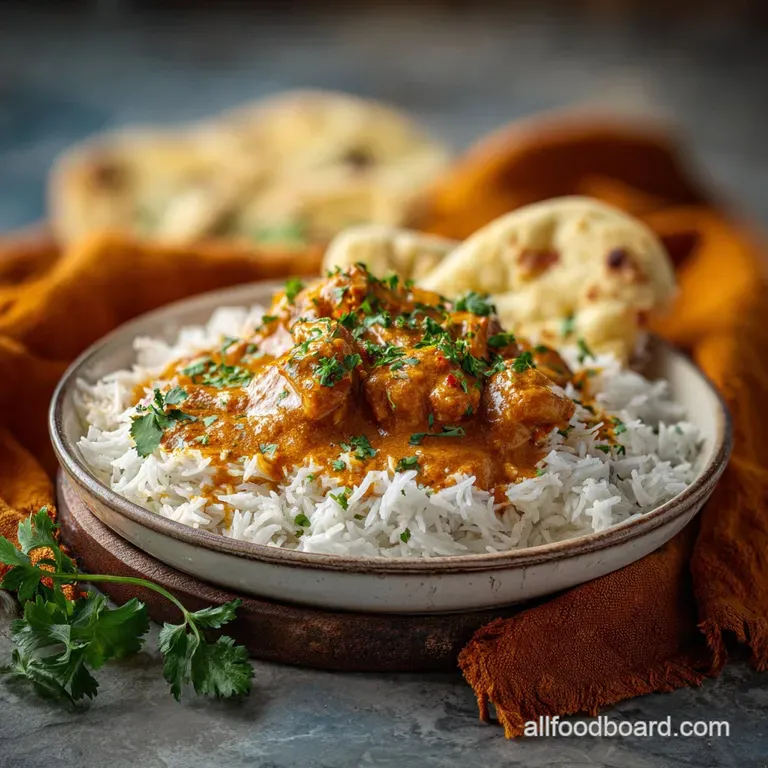
Follow these steps closely to ensure your chicken is tender and your sauce is emulsified. Timing is everything when working with dairy based sauces.
- Marinate the chicken. Combine the 1.5 lbs chicken pieces with yogurt, lemon juice, ginger garlic paste, and the first round of spices in a bowl. Note: Let this sit for at least 30 minutes, or the protein won't soften properly.
- Sear the meat. Heat 1 tbsp oil and 1 tbsp butter in the skillet over medium high heat. Add chicken in batches until golden and slightly charred on the edges.
- Remove and rest. Transfer the chicken to a plate, leaving the juices in the pan. The aroma should be nutty and toasted.
- Sauté the base. Add 2 tbsp butter to the same pan. Pour in 1.5 cups tomato purée and salt.
- Simmer the sauce. Cook the tomatoes for about 10 minutes until the sauce thickens and oil starts to separate at the edges.
- Sweeten and spice. Stir in the sugar and the browned chicken pieces (plus any juices). Note: Sugar balances the high acidity of the concentrated tomatoes.
- Infuse the aromatics. Crush 1 tsp Kasuri Methi between your palms and sprinkle it over the mixture.
- The cream swirl. Reduce heat to low and stir in 0.5 cup heavy cream until the sauce turns a velvety orange.
- The final touch. Add the remaining 1 tbsp butter and the final 0.5 tsp garam masala.
- Serve immediately. Garnish with a drizzle of cream or fresh cilantro if you have it on hand.
Strategies for Avoiding Kitchen Disasters
Even with a great recipe, things can go sideways. The most common issue with butter chicken is the sauce splitting or the tomatoes remaining too "raw" and acidic.
Why Your Sauce Is Too Thin
If your gravy looks more like a soup than a thick curry, you likely didn't reduce the tomato purée enough before adding the cream. The water in the tomatoes needs to evaporate so the sugars can caramelize.
| Problem | Root Cause | Solution |
|---|---|---|
| Sauce is watery | Tomatoes weren't reduced | Simmer uncovered for 5 extra minutes before adding cream. |
| Grainy texture | Yogurt curdled in heat | Whisk in a teaspoon of cornstarch slurry to bind the sauce. |
| Too acidic/sour | Underripe tomatoes | Add an extra teaspoon of sugar or a splash of heavy cream. |
Another trick for a thicker sauce is to blend a few pieces of the cooked chicken back into the gravy, but that’s a bit of an advanced move. Usually, just a bit of patience during the simmering stage is all you need.
Common Mistakes Checklist
- ✓ Never add cold cream to a boiling sauce; it will likely split.
- ✓ Don't skip the Kasuri Methi; it provides that specific "restaurant smell."
- ✓ Ensure the chicken is patted dry before marinating if it was previously frozen.
- ✓ Use a heavy pan to prevent the bottom from burning while the tomatoes reduce.
- ✓ Avoid low-fat dairy at all costs; the fat is what carries the spice flavors.
Adjusting the Recipe for Different Needs
Scaling this recipe is fairly straightforward, but you have to be careful with the liquid ratios. If you're feeding a crowd, don't just double everything blindly, or the sauce might become too thin.
To Scale Down (1-2 Servings): Use a smaller 8 inch skillet to ensure the sauce doesn't evaporate too quickly. Reduce the simmering time by about 20% since there is less volume to heat through.
To Scale Up (10+ Servings): When doubling the recipe, only use 1.5x the amount of salt and spices initially. You can always add more at the end. Use a large Dutch oven instead of a skillet to prevent splashing, and work in three or four batches when searing the chicken to avoid "steaming" the meat.
| Servings | Chicken Weight | Butter Total | Cook Time |
|---|---|---|---|
| 2-3 People | 0.75 lbs | 2 tbsp | 20 minutes |
| 5 People | 1.5 lbs | 4 tbsp | 25 minutes |
| 10 People | 3 lbs | 7 tbsp | 40 minutes |
Debunking Common Preparation Myths
Myth: You must use a tandoor oven for authentic flavor. While a tandoor adds a specific smokiness, you can replicate this by searing the chicken in a cast iron pan until slightly charred. The "Makhani" (buttery) sauce is actually the star of the show, and that is made entirely on the stovetop.
Myth: Butter chicken should be spicy. Authentic Murgh Makhani is actually one of the mildest Indian curries. It’s meant to be creamy, rich, and slightly sweet. The heat should be a background hum, not a foreground punch.
If you want it spicy, you’re moving more toward a Tikka Masala territory.
Dietary Adaptations and Creative Twists
It's easy to tweak this recipe to fit different lifestyles without losing the core of what makes it special.
For a dairy-free Version
Substitute the butter with vegan buttery sticks or refined coconut oil. Use full fat coconut milk instead of heavy cream and yogurt. The flavor will be more tropical, but the texture will remain creamy.
For a Low Carb/Keto Friendly Meal
This recipe is naturally quite low in carbs (9.1g per serving), but you can further reduce it by omitting the 1 tbsp of sugar and using a keto approved sweetener like erythritol. Serve it over cauliflower rice or with low carb almond flour naan.
If you find yourself with extra chicken but want a lighter meal the next day, you could use the leftover marinated chicken in a Thai Chicken Lettuce recipe for a completely different flavor profile that still uses similar pantry staples like ginger and garlic.
Guidelines for Storage and Reheating
Butter chicken is one of those rare dishes that actually tastes better the next day. As it sits, the spices continue to mingle and the chicken absorbs even more of that buttery goodness.
- Fridge: Store in an airtight container for up to 4 days. The sauce will thicken significantly when cold.
- Freezer: You can freeze the finished dish for up to 3 months. However, the cream might separate slightly upon thawing.
- Reheating: Use a saucepan over low heat. Add a splash of water or a tablespoon of milk to loosen the sauce back to its original velvety consistency. Avoid the microwave if possible, as it can make the chicken rubbery.
Zero Waste Tip: Don't toss out the leftover sauce if you finish the chicken first! That "liquid gold" is incredible poured over roasted potatoes, used as a dip for crusty bread, or even swirled into a morning omelet for a savory kick.
Perfect Pairings for a Traditional Feast
To truly do justice to this recipe, you need the right sides. The goal is to have something that can mop up every last drop of that sauce.
- Basmati Rice: Fragrant, long grain rice is the classic choice. Add a few cardamom pods to the cooking water for extra aroma.
- Garlic Naan: The charred, chewy texture of naan is the perfect vehicle for the creamy gravy.
- Kachumber Salad: A simple mix of diced cucumbers, tomatoes, and red onions with a squeeze of lemon helps cut through the richness of the butter.
- Classic Chicken Gravy: If you’re hosting a massive dinner and want variety, having a side of Classic Chicken Gravy Recipe for your mashed potatoes ensures there’s a comfort food option for everyone.
Whatever you choose, make sure you have plenty of it. This isn't the kind of meal where people leave sauce behind on their plates! Trust the process, don't skimp on the butter, and enjoy the most decadent meal you've made all month.
High in Sodium ⚠️
895 mg mg of sodium per serving (39% % of daily value)
The American Heart Association recommends limiting sodium intake to about 2,300mg per day for overall cardiovascular health.
Sodium Reduction Tips for Butter Chicken
-
Reduce Added Salt-25%
This recipe uses 1.5 tsp of salt, which is a significant source of sodium. Try reducing the amount to 0.75 tsp or less; taste and adjust as needed. Reducing salt by half can significantly decrease sodium content.
-
Choose No-Salt Added Tomato Purée-20%
Tomato purée can be a hidden source of sodium. Opt for a no-salt added variety to control the sodium levels in your butter chicken. Check the nutrition label to be sure.
-
Use Unsalted Butter
This recipe already uses unsalted butter, which is great! Continue to use unsalted butter to avoid added sodium.
-
Enhance Flavor with Spices
Boost the flavor of your butter chicken with sodium free spices such as ginger, garlic, cumin, garam masala, and Kashmiri red chili powder. Experiment with different combinations to find your perfect blend.
-
Fresh Herbs are your friend
Incorporate fresh herbs like cilantro or mint as a garnish. They add a vibrant flavor without any sodium.
Recipe FAQs
What's the secret to really flavorful butter chicken?
Yes, it’s the Kasuri Methi (dried fenugreek leaves). These leaves provide the signature aromatic bridge that elevates the flavor beyond simple tomato and cream, giving it that distinct restaurant quality depth.
What are the key spices in butter chicken?
Garam masala, cumin, and Kashmiri red chili powder are essential. Garam masala provides warmth, cumin offers earthiness, and the chili powder delivers the characteristic vibrant color without excessive heat.
Why is restaurant butter chicken so good?
They use high fat content dairy and slow reduction techniques. Restaurants often use richer cream and slightly more butter than home cooks, leading to a perfectly stable, velvety emulsion that coats the chicken beautifully.
What gives butter chicken its sweetness?
A small amount of sugar or honey balances the acidity of the tomatoes. This sweetness isn't meant to make the dish dessert like, but rather to neutralize the sharp tang from the tomato purée after long simmering.
Is it true I must use chicken thighs instead of breasts?
No, but thighs yield superior results. Thigh meat has more fat and connective tissue, which renders during cooking and keeps the chicken moist; breasts tend to dry out quickly during the searing and simmering stages.
How to achieve a perfectly smooth, non-grainy sauce?
Temper the heavy cream before adding it to the hot base. Whisk a spoonful of warm sauce into the cold cream first, slowly raising its temperature before incorporating it into the main pot over low heat.
Can I use this marinade method for other chicken dishes?
Yes, the yogurt tenderizing technique is highly transferable. If you enjoyed mastering this technique for acid based tenderization, apply the same principle to our How to Make recipe for a different savory profile.
Ultimate Butter Chicken Recipe
Ingredients:
Instructions:
Nutrition Facts:
| Calories | 419 kcal |
|---|---|
| Protein | 31.2 g |
| Fat | 27.2 g |
| Carbs | 9.1 g |
| Fiber | 1.4 g |
| Sugar | 6.2 g |
| Sodium | 895 mg |
