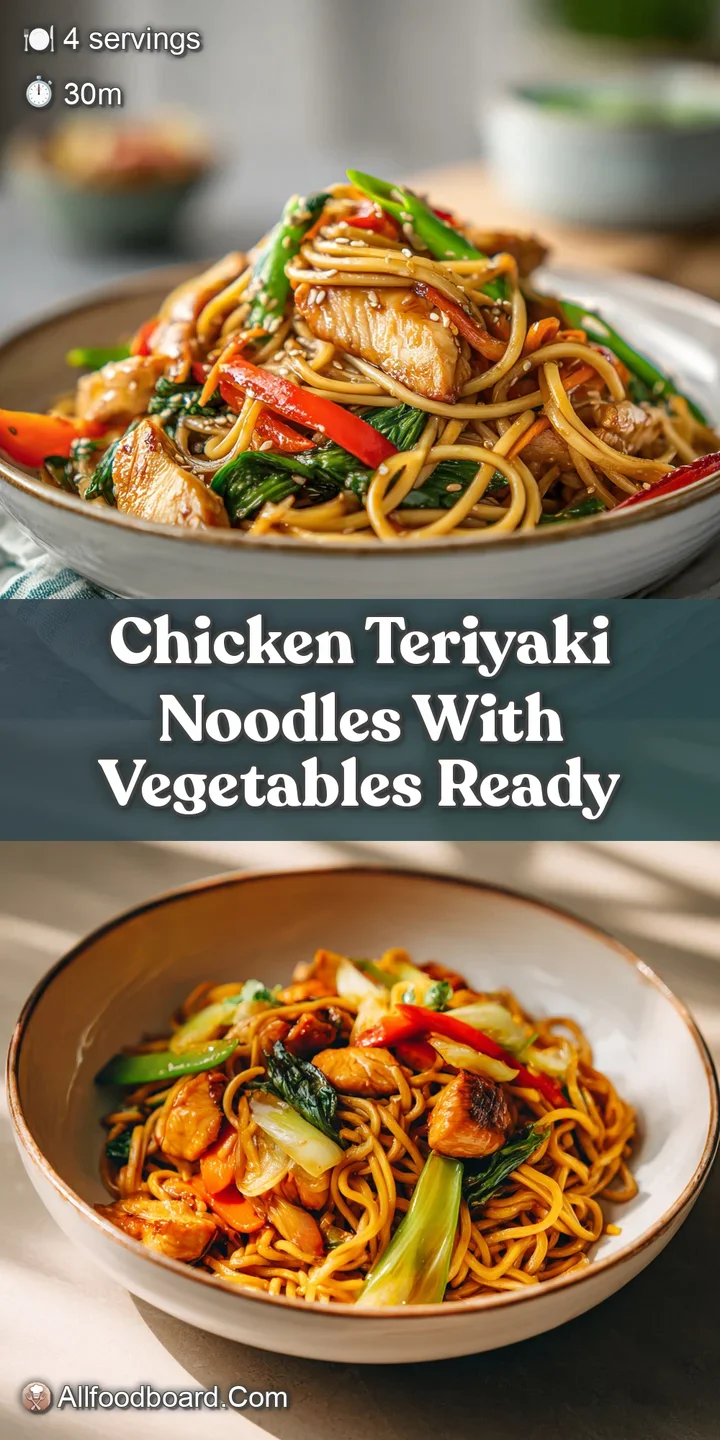
Chicken Teriyaki Noodles with Vegetables Ready in 30 Minutes
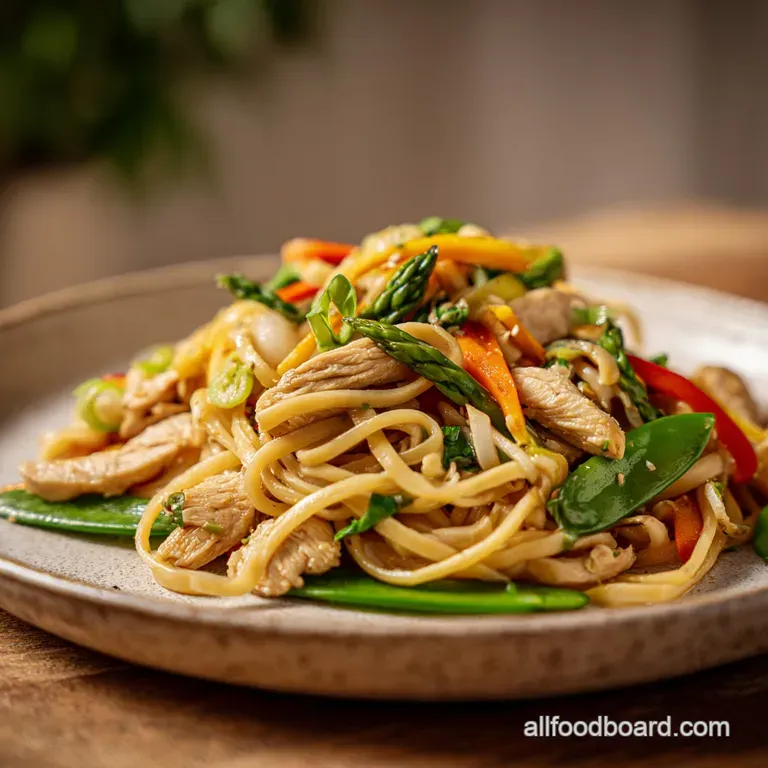
- Time: Active 15 minutes, Passive 15 minutes, Total 30 minutes
- Flavor/Texture Hook: Silky noodles with charred, snappy vegetables and velvety chicken strips
- Perfect for: High speed weeknight dinners or budget conscious meal prepping
- Get Chicken Teriyaki Noodles with Vegetables Ready in 30 Minutes
- Why High Heat and Science Make the Best Noodles
- The Component Breakdown for This Savory Teriyaki Glaze
- The Essential Elements for Your Stir Fry Base
- Necessary Tools for a Seamless Cooking Experience
- Executing the 30 Minute Noodle Stir Fry Process
- Solving Common Stir Fry Hurdles
- Adjusting the Recipe for Different Groups
- Debunking Common Stir Fry Misconceptions
- Storage and Sustainable Kitchen Habits
- Creative Pairings for a Complete Meal
- Very High in Sodium
- Recipe FAQs
- 📝 Recipe Card
Get Chicken Teriyaki Noodles with Vegetables Ready in 30 Minutes
The first time I tried making a stir fry at home, it was a soggy disaster. I remember the sound, or rather the lack of it, just a sad, quiet bubbling instead of that aggressive, violent sizzle you hear at a good noodle bar. My kitchen smelled like boiled cabbage, and the chicken was tough as an old boot.
I realized then that "quick" doesn't mean "lazy" - it means being strategic with your heat and your prep work. This recipe provides flavorful Chicken Teriyaki Noodles with Vegetables ready in just 30 minutes.
Since that watery catastrophe, I’ve learned that the secret lies in the order of operations. You want the aromatics to hit the oil and release that punchy ginger garlic scent before the pan temperature drops.
When you finally toss those 300g of fresh Hokkien noodles into the mix, they should immediately soak up the 120ml of low sodium soy sauce and 60ml of mirin glaze, turning tacky and dark. It is a sensory rush that makes you feel like a pro, even if you’re just standing in your pajamas on a Tuesday night.
We’ve all been there, staring at a takeout menu because we’re too tired to cook. But trust me on this, by the time the delivery driver finds your house, you could have already finished this entire pan.
We aren't just throwing things in a pot; we are building layers of flavor with 2 tablespoons of brown sugar and a splash of toasted sesame oil. This isn't just about feeding the family, it's about that specific satisfaction of hearing the sizzle and knowing you nailed the texture.
Why High Heat and Science Make the Best Noodles
- Maillard Reaction: High heat creates a complex chemical reaction between amino acids and reducing sugars, resulting in the charred, savory exterior on the 500g of thinly sliced chicken strips.
- Starch Gelatinization: The 1 tablespoon of cornstarch mixed with the sauce hydrates when heated, creating a thick, glossy network that clings to the noodles rather than pooling at the bottom.
- Aromatic Infusion: Heat causes the essential oils in the 1 tablespoon of grated ginger and 3 cloves of minced garlic to become volatile, spreading flavor through the oil before any solids are added.
- Cellular Tension: Quick frying the broccoli and carrots at high temperatures softens the exterior while keeping the internal cell walls intact, preserving that essential snap.
| Cooking Vessel | Total Time | Texture Profile | Best For |
|---|---|---|---|
| Carbon Steel Wok | 22 minutes | Maximum char and "wok hei" | Authentic smoky finish |
| Large Cast Iron | 27 minutes | Even browning, heavy sear | Keeping heat consistent |
| Non stick Skillet | 30 minutes | Soft vegetables, easy cleanup | Beginner cooks |
Selecting the right pan is half the battle when you want those silky results. If you use a pan that's too small, your 500g of chicken will crowd and steam rather than sear, losing that velvety texture we’re after.
I personally love a heavy bottomed skillet for this because it holds heat like a champ once it gets going.
The Component Breakdown for This Savory Teriyaki Glaze
| Component | Science Role | Pro Secret |
|---|---|---|
| Low sodium Soy Sauce | Primary salt and umami source | Use low sodium to control the salt concentration as it reduces. |
| Mirin | Adds shine and mild acidity | The sugar content in mirin creates that glossy, professional looking sheen. |
| Cornstarch | Liquid stabilizer | Whisk it into the cold sauce first to prevent lumps from forming later. |
| Toasted Sesame Oil | High impact lipid | Add it at the end to keep the delicate nutty aromas from burning off. |
The Essential Elements for Your Stir Fry Base
To get this dish on the table in 30 minutes, you need your "mise en place" ready. This just means having everything chopped and measured before you even turn on the stove. This isn't the kind of recipe where you can chop the carrots while the chicken cooks; things move too fast for that.
- 500g Chicken breast: Slice these thinly across the grain so they stay tender. Why this? Chicken breast cooks incredibly fast and absorbs the soy mirin glaze efficiently.
- Substitute: 500g Firm Tofu. Note: Press the tofu for 20 minutes first to ensure it sears properly.
- 300g Fresh Hokkien noodles: These are thick, chewy, and perfect for grabbing sauce. Why this? Their high surface area holds onto the viscous teriyaki glaze.
- Substitute: 300g Dried Udon noodles. Note: Boil these for 2 minutes less than the package says so they don't go mushy.
- 120ml Low sodium soy sauce: The backbone of the savory profile. Why this? Provides the salt needed without making the dish overwhelmingly salty.
- Substitute: 120ml Tamari. Note: A great swap if you need to keep the dish strictly gluten-free.
- 60ml Mirin: A Japanese rice wine that provides sweetness and depth. Why this? It balances the saltiness of the soy with a mellow sugar hit.
- Substitute: 60ml Dry Sherry with 1 tsp sugar. Note: Mimics the fermented depth and sweetness of mirin.
- 1 large Bell pepper and 1 cup Broccoli florets: For color and crunch. Why this? These vegetables hold their shape well under high heat.
- Substitute: Snap peas or sliced zucchini. Note: These cook faster, so add them 1 minute later than the broccoli.
Necessary Tools for a Seamless Cooking Experience
You don't need a professional kitchen, but a few specific items will make your life much easier. I've found that using a microplane for the 1 tablespoon of ginger and 3 cloves of garlic is much faster than chopping them with a knife. It creates a paste that melts into the oil instantly.
A large, wide skillet or a wok is non negotiable here. You need enough surface area so that the 500g of chicken strips aren't overlapping. If you use a small pot, you’ll end up with boiled chicken, which is definitely not the vibe we’re going for.
I also recommend a pair of long kitchen tongs for tossing the 300g of noodles; it’s much more effective than a spoon for untangling them and ensuring every strand is coated.
Executing the 30 Minute Noodle Stir Fry Process
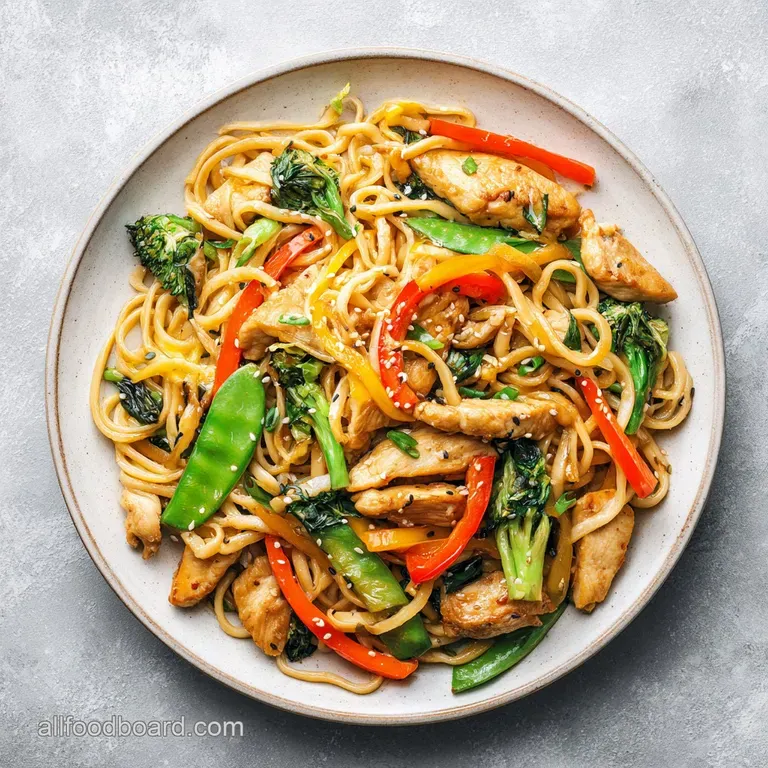
1. Prep and Velvet the Protein
Whisk 1 tablespoon of cornstarch with 1 tablespoon of the soy sauce in a small bowl. Toss the 500g of thinly sliced chicken strips in this mixture. Note: This "velveting" technique creates a thin protective layer that keeps the chicken juicy under high heat.
2. Whisk the Glaze
In a separate jar, combine the remaining 120ml soy sauce, 60ml mirin, 2 tablespoons of brown sugar, 1 tablespoon of grated ginger, and 3 cloves of minced garlic. Whisk until the sugar is dissolved.
3. Sear the Chicken
Heat 2 tablespoons of neutral oil in your pan over high heat until it starts to shimmer. Add the chicken strips in a single layer and cook for 3 minutes until the edges are golden and the meat is opaque. Remove the chicken from the pan and set it aside.
4. Blister the Vegetables
Add the 1 cup of broccoli florets and 1 medium julienned carrot to the same pan. Stir fry for 2 minutes until the broccoli turns a vibrant, electric green.
5. Soften the Peppers
Add the thinly sliced bell pepper to the pan. Cook for another 2 minutes until the peppers are slightly softened but still have a snap.
6. Integrate the Glaze
Pour the prepared teriyaki sauce into the pan with the vegetables. Let it bubble for 1 minute until the liquid begins to thicken and look glossy.
7. The Noodle Toss
Add the 300g of fresh Hokkien noodles directly to the pan. Use tongs to pull the noodles apart and coat them in the sauce. Note: If using dried noodles, ensure they are pre soaked according to package directions before adding.
8. Final Fusion
Return the cooked chicken to the pan. Toss everything together for 2 minutes until the sauce is tacky and clings tightly to the noodles.
9. Aromatic Finish
Remove from heat and drizzle with 1 teaspoon of toasted sesame oil. Note: Adding this oil at the end preserves its delicate flavor which can be destroyed by high heat.
10. Garnish and Serve
Scatter the sliced green onions and 1 teaspoon of toasted sesame seeds over the top. Serve immediately while the steam is still rising.
Solving Common Stir Fry Hurdles
Stir frying is all about timing, and it’s easy to get overwhelmed when things start sizzling. If your sauce looks too thin, don't panic. Usually, it just needs another 30 seconds of boiling to let that cornstarch do its job.
If you’ve accidentally overcooked your vegetables, they might be a bit soft, but the flavor will still be there.
Why Your Chicken Is Tough
If the chicken feels rubbery, it likely wasn't sliced thin enough or was cooked for too long before being removed. Slicing against the grain is vital because it breaks up the tough muscle fibers. If you find your chicken is consistently dry, try the technique used in our Chicken and Egg Noodle recipe which focuses on gentle simmering, though for this 30 minute version, the cornstarch "velveting" is your best defense.
Why Your Sauce Is Watery
A watery sauce usually means the vegetables released too much moisture because the pan wasn't hot enough. When vegetables steam instead of sear, they dump their internal water into the pan. To fix this, you can mix an extra teaspoon of cornstarch with a splash of water and stir it into the boiling sauce.
| Problem | Root Cause | Solution |
|---|---|---|
| Mushy Noodles | Overcrowding or over soaking | Use a larger pan and add noodles last for a quick toss. |
| Salty Glaze | Using full sodium soy sauce | Dilute with 2 tbsp of water or a splash of orange juice. |
| Burnt Garlic | Adding aromatics too early | Add ginger and garlic after the chicken has been seared. |
Common Mistakes Checklist
- ✓ Pat the chicken strips dry with a paper towel before velveting (moisture prevents a good sear).
- ✓ Allow the pan to heat for a full 3 minutes before adding the first drop of oil.
- ✓ Don't stir the chicken immediately; let it sit for 60 seconds to develop a crust.
- ✓ Prepare all vegetables to a uniform size so they cook at the same rate.
- ✓ Rinse fresh Hokkien noodles under warm water to loosen them before adding to the pan.
Adjusting the Recipe for Different Groups
If you're cooking for one or two, you can easily halve this recipe. For smaller portions, use a smaller skillet to maintain the sauce depth, and reduce the cooking time for the vegetables by about 20% to avoid over softening.
If you need to half an egg for the velveting (if you choose to use egg white), just whisk it first and measure out half.
When doubling the recipe for a crowd, do not just throw twice as much into the pan. The heat will drop significantly, and everything will boil. Instead, cook the chicken in two separate batches, and do the same for the vegetables. Only combine everything at the very end when you add the 300g of noodles and the sauce.
Keep the spices at 1.5x the original amount first, then taste; salt and ginger can become overwhelming when doubled strictly.
| Premium Ingredient | Budget Alternative | Flavor Impact | Savings |
|---|---|---|---|
| Fresh Ginger Root | Ground Ginger (1/2 tsp) | Less "zing," more earthy | Saves $2.00 |
| Mirin | Rice Vinegar + Sugar | More acidic, less depth | Saves $4.00 |
| Fresh Hokkien Noodles | Instant Ramen (no spice) | Softer, less chewy | Saves $3.00 |
Cooking on a budget doesn't mean you have to skip the flavor. If you find fresh ginger is too expensive or you won't use the whole root, the dried version works in a pinch, though you lose that fresh heat.
Similarly, if you can't find Hokkien noodles, those cheap packets of instant ramen (minus the silver seasoning pouch!) are a legendary budget hack for a quick dinner.
Debunking Common Stir Fry Misconceptions
One major myth is that you need a specialized wok to make a good stir fry. While a wok is great for tossing, a large, flat bottomed skillet actually provides more surface area for searing meat on a standard electric or gas home stove. The "wok hei" flavor is more about the heat of the pan than the shape of the metal.
Another misconception is that the sauce needs to marinate the chicken for hours. In a 30 minute recipe like this, the thin slicing and high heat allow the sauce to coat the exterior so intensely that long marination isn't necessary.
The cornstarch coating acts like a sponge, grabbing the glaze as soon as it hits the pan.
Storage and Sustainable Kitchen Habits
You can store these noodles in an airtight container in the fridge for up to 3 days. When reheating, add a tablespoon of water or extra soy sauce to the bowl before microwaving. This creates steam that loosens the noodles, which tend to clump up and absorb all the moisture while sitting in the fridge.
I don't recommend freezing this dish, as the texture of the broccoli and Hokkien noodles becomes quite mushy once thawed.
To reduce waste, save the woody ends of your broccoli and the peels from your carrots. Throw them into a freezer bag and use them next time you're making a vegetable stock. If you have leftover green onions that are looking a bit sad, chop them up and freeze them in an ice cube tray with a little oil; they’ll be perfect for starting your next stir fry.
Creative Pairings for a Complete Meal
These noodles are quite filling on their own, but if you want to stretch the meal, they pair beautifully with a light, acidic side. A simple cucumber salad with rice vinegar and chili flakes cuts through the sweet richness of the teriyaki glaze perfectly. It’s the same principle we use in our Thai Chicken Lettuce recipe where the fresh crunch balances the savory protein.
If you’re looking for a different vibe, you could serve this alongside some steamed edamame or even a quick miso soup. For those who want more heat, a side of kimchi provides a fermented funk that takes the dish to a whole new level.
Just remember to keep the sides simple; the noodles are the star of the show here. It's a versatile base that works with almost any Asian inspired side dish you have in the pantry.
Very High in Sodium
1150 mg mg of sodium per serving (50% % of daily value)
The American Heart Association recommends limiting sodium intake to about 2,300mg per day.
Sodium Reduction Tips for Your Recipe
-
Dilute Soy Sauce-25%
Even low-sodium soy sauce contributes significantly to the sodium content. Try using 60ml of low-sodium soy sauce and diluting with 60ml of water or sodium free chicken broth to reduce the concentration of sodium.
-
Choose Low-Sodium Noodles-20%
Hokkien noodles can be high in sodium. Look for a low-sodium or sodium free version. If those are not available, rinse the noodles thoroughly with water before adding them to the recipe.
-
Reduce Soy Sauce & Balance Sweetness-15%
Cut the low-sodium soy sauce amount from 120ml to 90ml, and increase brown sugar by 1 tsp to compensate the taste.
-
Add Flavor with Aromatics-10%
Enhance the flavor with extra ginger, garlic, and green onions. These aromatics can help compensate for the reduction in sodium, creating a more flavorful dish.
-
Spice it Up!
Use herbs and spices to boost flavor. Consider adding black pepper, red pepper flakes, or other sodium free spice blends to enhance the taste without adding sodium.
Recipe FAQs
Is it true I must use a wok for this recipe to cook in 30 minutes?
No, a large, flat bottomed skillet works fine. While a wok is traditional, any large, heavy pan that maintains high, consistent heat will allow you to sear the chicken and blister the vegetables quickly.
How to prevent the chicken from steaming instead of searing?
Cook the chicken in a single, uncrowded layer. If you add too much chicken at once, the pan temperature drops, forcing the protein to release moisture and boil in its own juices.
What is the best way to reheat leftovers to maintain texture?
Reheat on the stovetop with a splash of liquid. Add the noodles to a pan with one tablespoon of water or extra soy sauce and heat over medium until the liquid turns to steam, reviving the texture.
How to make the sauce thicker if it remains watery after tossing?
Create a quick cornstarch slurry and boil rapidly. Whisk one teaspoon of cornstarch with one tablespoon of cold water, then pour this mixture into the simmering sauce, stirring constantly until it thickens.
Can I substitute the fresh noodles with dried ones?
Yes, but adjust the cooking time significantly. Cook the dried noodles for about 2 minutes less than the package directs before adding them to the final stir fry step.
What is the key technique for making the chicken tender in a fast cook time?
Use the "velveting" technique by coating the slices in cornstarch. This thin coating protects the meat fibers from the intense heat, ensuring the chicken stays moist even when cooked quickly, a principle also effective when searing other proteins.
Is it better to add the ginger and garlic at the start or mid-way through cooking?
Add them after the chicken is seared but before the vegetables. This allows their volatile oils to bloom in the hot pan without burning, which happens if they are added when the pan is too hot or cooked for too long.
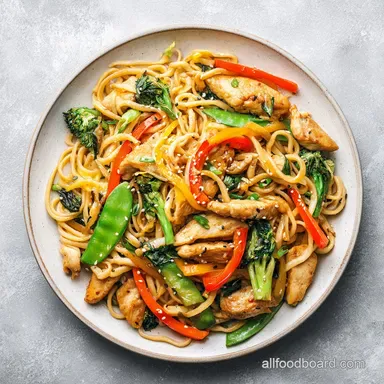
Teriyaki Chicken Noodles In 30 Mins
Ingredients:
Instructions:
Nutrition Facts:
| Calories | 485 kcal |
|---|---|
| Protein | 44 g |
| Fat | 13 g |
| Carbs | 40 g |
| Fiber | 4 g |
| Sugar | 14 g |
| Sodium | 1150 mg |
