Thanksgiving Dinner Menu: a Stress-Free Traditional Feast for 46
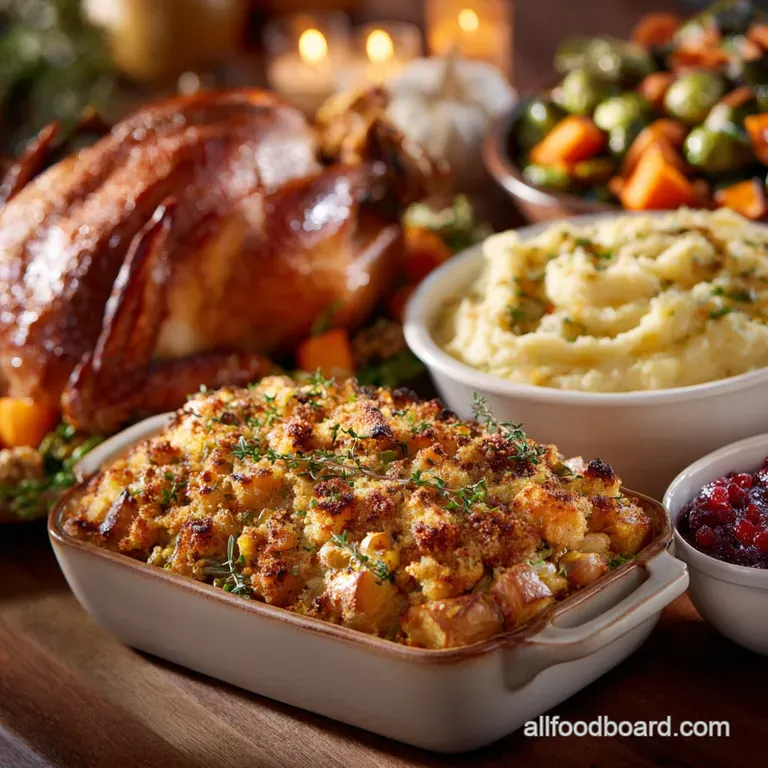
- The Compact Thanksgiving Dinner Menu: Feasting Without the Frenzy
- The Science of Stress-Free Roasting: Achieving Flavor Depth
- Essential Ingredients for Your Small-Batch Thanksgiving Dinner Menu
- The Critical Path: Mastering the Thanksgiving Kitchen Timeline
- Flawless Sides Management: Casseroles, Potatoes, and Chutney
- Troubleshooting the Feast: Chef’s Tips and Common Mistakes
- Maximizing Leftovers: Storage and Freezing Guide
- Curating the Perfect Serving Platter and Wine Pairings for This Thanksgiving Dinner Menu
- Recipe FAQs
- 📝 Recipe Card
The Compact Thanksgiving Dinner Menu: Feasting Without the Frenzy
Is there any aroma better than sage, melted butter, and roasting turkey wafting through the house? That scent is pure, unadulterated comfort, signalling that the holiday season has officially arrived.
If you’re anything like me, though, the joy of the smell quickly turns into dread when you realize you have to cook eight sides and coordinate a 20 pound bird with a single oven. Forget all that madness this year.
This specific Thanksgiving Dinner Menu is a lifesaver, designed for a smaller gathering think 4 to 6 incredibly lucky people. We’re focusing on core, non-negotiable classics, trimming the fuss, and making sure the chef gets to drink wine before 5 PM.
It’s an Easy Thanksgiving Dinner Menu because we’ve mastered the timing, avoiding the classic kitchen meltdown where the turkey is done but the gravy is still cold.
I’m sharing the exact blueprint I use when hosting my immediate family, ensuring a juicy, flavour packed feast without needing a catering license. We are tackling the main four: a perfectly brined turkey breast, deeply savoury sausage stuffing, silky mashed potatoes, and a rich pan gravy.
Let’s crack on and make this the least stressful Thanksgiving you have ever cooked!
The Science of Stress Free Roasting: Achieving Flavor Depth
This isn’t just a menu; it’s a strategic deployment of culinary assets. Every component is chosen because it either cooks quickly, holds its heat beautifully, or can be made entirely in advance. We’re working smarter, not harder.
Defining 'Compact Classic' for 4 6 Guests
The difference between a frantic Thanksgiving and a pleasant one is the word "compact." We ditch the whole turkey carcass, which causes uneven cooking, and switch to a bone-in turkey breast.
This scaled down approach provides all the crucial flavour of a Traditional Thanksgiving Dinner Menu but reduces cook time by hours. Plus, carving a breast is way less intimidating.
Scaling Down the Traditional Feast Components
We’ve swapped out five fussy side dishes for two spectacular ones: the stuffing and the mash. These two sides are the heart of the meal and can be prepared in stages, keeping your active kitchen time minimal on the day itself.
When you’re looking for Thanksgiving Dinner Ideas that actually work, remember that less really is more.
The Critical Timing Breakdown (Oven Strategy)
The key to success is using the turkey's mandatory rest time a full 30 minutes to finish baking the stuffing and making the gravy. This window is your golden ticket.
The oven is freed up, the stove burners are dedicated to the potatoes and gravy, and the turkey gets to reabsorb all its glorious juices.
Optimizing the Oven Schedule (A Scheduling Masterclass)
Start the turkey at a slightly higher temperature, then drop it down after the first hour. This ensures golden skin. About 45 minutes before the turkey is done, we slide the stuffing in, usually tucked beneath the rack to catch some drippings.
Low and Slow vs. over High heat Finishing
Our turkey roast starts at 375°F (190°C). We need consistent, moderate heat for the turkey breast to prevent drying out. The over high heat finish (bumping the temperature up to 400°F or 200°C once the turkey is out) is strictly for crisping the top of the sausage stuffing.
Why a Smaller Bird Equals Juicier Meat
A 6 pound turkey breast is inherently more forgiving than a 20 pound behemoth. The dark and white meat ratio on a full turkey forces you to overcook one side to fully cook the other.
By using only the breast for this Thanksgiving Menu For 4 , we guarantee that every slice is tender, moist, and cooked perfectly to 165°F.
Essential Ingredients for Your Small Batch Thanksgiving Dinner Menu
If you start with good ingredients, you have already won half the battle. This list is tightly curated for maximum flavor impact.
Sourcing the Perfect Bone-In Turkey Breast (Quality Check)
Always look for a bone-in, skin-on breast that weighs around 6 pounds. The bone protects the meat from the intense heat, resulting in better moisture retention. Avoid boneless breasts; they dry out faster than I do when writing a recipe.
Herb Bundles and Aromatics: The Flavor Foundation
We use fresh sage, rosemary, and thyme, which are blended into softened butter for the turkey rub. This compound butter melts, basting the meat in aromatic fat throughout the roast. For the stuffing, fresh sage is absolutely non-negotiable it defines the Thanksgiving flavor profile.
Strategic Substitutions for Dietary Needs (e.g., dairy-free Alternatives)
Life happens, and dietary restrictions are real. Here are the swaps that actually work without sacrificing flavor depth.
| Ingredient | Substitute | Why it Works |
|---|---|---|
| Buttermilk (Mash) | Full fat oat milk or Cashew Cream | Adds creaminess without acidity or heaviness. |
| Butter (Stuffing/Gravy) | high-quality vegan butter (Miyoko's or Earth Balance) | Maintains the rich, fatty texture needed for a perfect roux. |
| Turkey/Chicken Stock | Good quality vegetable broth | Use half the amount of salt in the gravy recipe to compensate. |
| Sausage (Stuffing) | Chopped pecans and wild rice | Creates a nutty, toothsome filling, perfect for vegetarians. |
Pantry Staples Checklist for Gravy and Sides
Make sure you have low-sodium stock, flour, and good quality potatoes (Russets are best for mash, trust me). Also, always have extra Kosher salt on hand seasoning appropriately is the difference between food and amazing food.
The Critical Path: Mastering the Thanksgiving Kitchen Timeline
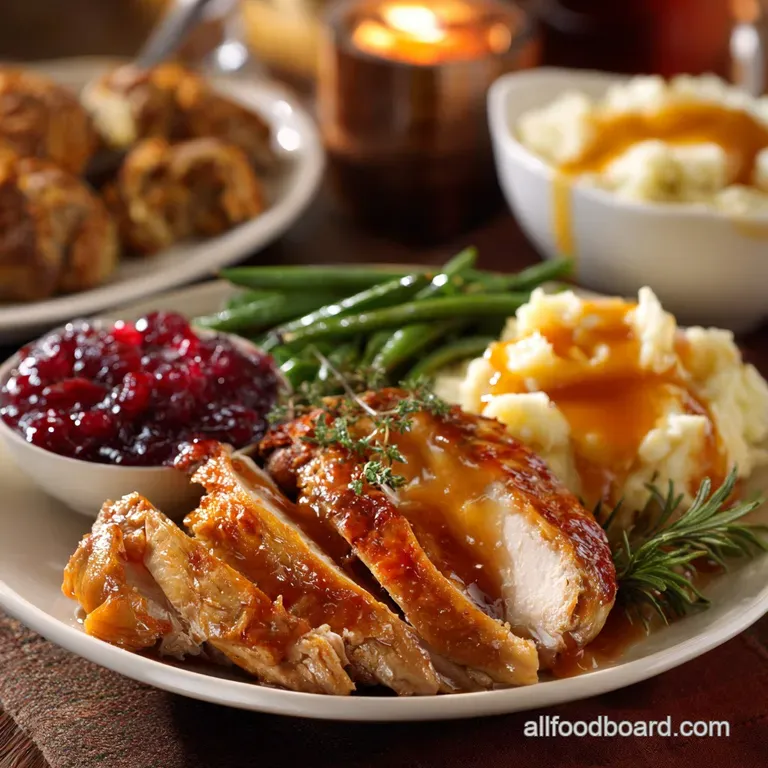
This plan assumes the turkey breast is brined and the bread is drying the day before.
- Prep the Turkey (T-minus 3 hours): Rinse the brined turkey thoroughly , pat it bone dry, and rub the herbed butter all over it. Place it on the rack in the roasting pan.
- Prep the Stuffing (T-minus 2. 5 hours): Cook the sausage, sauté the mirepoix (onion/celery), and mix everything gently with the dried bread, stock, and eggs. Transfer to a greased baking dish.
- Roast Start (T-minus 2 hours 15 minutes): Preheat oven to 375°F (190°C). Place the turkey in the oven. Set a timer for 1 hour 45 minutes.
- Stuffing Joins (T-minus 30 minutes): Slide the stuffing dish into the oven alongside the turkey.
- Turkey Out! (T-minus 5 minutes): Check the internal temp. When it hits 160°F (71°C), pull the turkey out! Tent it loosely with foil do not seal it tightly or the skin will steam.
- Gravy and Sides Push (T-minus 30 minutes): Increase oven to 400°F (200°C) for the stuffing. Start boiling the potatoes and make the gravy using the drippings immediately.
Chef's Note: When in doubt about timing, rely on the meat thermometer. If the turkey is done early, let it rest longer. Resting is your friend, I promise.
Flawless Sides Management: Casseroles, Potatoes, and Chutney
While the turkey takes the spotlight, the sides must be just as perfect. Messing up the potatoes is a Thanksgiving crime.
Brining and Prep: The 24 Hour Head Start
You mix 1 gallon of cold water with salt, sugar, and herbs until dissolved. Submerge the turkey breast, bone side down. This simple step prevents the meat from drying out while roasting and ensures a depth of flavour throughout.
When you take it out, rinse off every grain of salt and pat the skin totally dry. If the skin is wet, it will never crisp up.
Achieving Crispy Skin on the Main Roast
Crispy turkey skin requires three things: dryness, fat, and heat. The compound butter ensures fat coverage. The initial high heat jumpstarts the crisping process. The dry skin, thanks to our rinsing and drying routine, guarantees moisture doesn't get trapped.
Building Depth in the make-ahead Gravy Base
The key is the roux. Melt 2 tablespoons of butter and whisk in 1/4 cup of flour, cooking until it smells nutty and looks light brown about two full minutes. That cooked flour eliminates that raw flour taste. Then, whisk in your warm stock slowly, slowly, slowly!
The Overnight Mashed Potato Method
We use Russets, which are wonderfully starchy. Once drained, push them through a ricer or use a hand masher. Here’s the trick: use room temperature butter and warm buttermilk and cream. This prevents the starch from seizing up, ensuring fluffy, silky smooth mashed potatoes every single time.
Seriously, it's brilliant.
Assembling the Sausage and Sage Stuffing (Pre-baking Strategy)
The beauty of stuffing (or dressing, as mine is cooked outside the bird) is that it’s almost entirely ready the day before. Just toss those beautifully dried bread cubes with the seasoned sausage and vegetable mix. Add just enough warm stock to moisten, not soak. We want texture, not sludge!
Slow Simmering the Cranberry Apple Chutney
You absolutely need something bright and tart to cut through the richness of the butter and sausage. A simple chutney cranberries, a chopped apple, sugar, and a splash of water simmered until thick is the perfect addition. It's easy, fast, and provides that lovely pop of colour on the plate. If you need more dessert ideas for the young ones, you might like my recipe for Thanksgiving Treats for Kids: Easy Autumn Harvest Cookies Fun to Decorate .
Troubleshooting the Feast: Chef’s Tips and Common Mistakes
I have made every mistake in the book. I once forgot to turn the oven on and didn't realize until I tried to baste a cold turkey one hour in. Learn from my errors!
| Common Failure | The Simple Fix |
|---|---|
| Lumpy Gravy | Make sure your stock is warm before you add it to the roux. Whisk constantly, and if lumps form, blend it with an immersion blender. |
| Dry Turkey | You probably cooked it past 165°F. Next time, pull it at 160°F and rely on the rest period. Always use an instant read thermometer! |
| Salty Meat | You didn't rinse the brine off properly. Always rinse aggressively under cold water and then pat it down. |
The Secret to Silky Gravy (Avoiding Lumps)
The secret weapon against lumps is warm liquid and patience. If you pour cold stock into a hot roux, the temperature difference causes the starch to seize immediately. Take your time, adding the warm stock half a cup at a time, whisking smooth before adding the next.
Correcting Over Salty Brine
If you taste the meat after brining and resting, and it’s still too aggressive, you can soak the rinsed breast in plain cold water for 30 minutes before patting dry and cooking. This draws some of the surface salt out.
The Internal Temperature Cheat Sheet
Always check the turkey breast in two places: the thickest part of the breast, and near the joint connecting the breast to the wing section. You want 160°F (71°C) when it leaves the oven.
Resting the Roast: Why Time Matters
You MUST rest the roast for 30 minutes. If you carve immediately, all the delicious juices rush out onto your cutting board instead of staying in the meat. Resting allows the muscle fibers to relax and reabsorb those juices, guaranteeing maximum tenderness.
Maximizing Leftovers: Storage and Freezing Guide
Leftovers are the best part of Thanksgiving Dinner Menu planning! Treat them right so you can enjoy them for days.
Safe Storage Temperatures for Turkey and Sides
Everything needs to be refrigerated within two hours of coming out of the oven, full stop. The safe fridge life for both sliced turkey and the sausage stuffing is generally 3 to 4 days, stored in shallow, airtight containers.
Gravy and Casserole Freezing Techniques
Gravy freezes beautifully, even if you used flour for the roux. Store it in a quart container, leaving about an inch of headspace, and use it within 3 months. To reheat, thaw overnight in the fridge and slowly heat on the stove, whisking to recombine the fats.
The stuffing can also be frozen, but the texture might be slightly softer upon reheating. Wrap the cooled casserole dish tightly in foil and plastic wrap.
Curating the Perfect Serving Platter and Wine Pairings for This Thanksgiving Dinner Menu
Presentation is everything, even when serving a Small Thanksgiving Dinner Menu . Arrange the sliced turkey breast overlapping slightly on a large platter, nestling the gravy boat right next to it. Sprinkle the potatoes with fresh chives for a pop of colour.
For wine, you want something light and acidic to balance the rich stuffing and gravy. A chilled Pinot Noir or a dry, crisp Grüner Veltliner will be excellent choices. Don't overthink it; just make sure the glass is full!

Recipe FAQs
Why did my scaled down turkey breast turn out dry?
Dryness usually stems from overcooking or failing to properly protect the meat. Use a calibrated meat thermometer to ensure the breast reaches exactly 160°F (carryover heat will finish it to 165°F), and consider rubbing butter or oil under the skin before roasting for added moisture protection.
Can I prepare the Giblet Gravy several days in advance?
Absolutely. You can prepare the stock and thicken the gravy up to three days ahead and store it refrigerated. Just before serving, reheat gently on the stove, whisking well, and add any fresh drippings or pan juices from the roasted turkey for maximum flavor.
I need a gluten-free option for the classic Sage Stuffing. What substitutions work best?
Easily substitute standard bread with quality gluten-free sourdough or rustic seeded loaves. Ensure the bread is dried out thoroughly (stale or toasted) before combining it with the wet ingredients to prevent a dense or soggy texture.
How long are Thanksgiving leftovers safe to eat?
Leftovers, especially the turkey and gravy, must be refrigerated within two hours of cooking completion. They can then be safely consumed within 3 to 4 days, provided they are stored in airtight containers to prevent bacteria growth and drying out.
Why did my Mashed Potatoes turn out gluey or pasty?
Gluey potatoes result from over mixing or using tools like a food processor, which breaks down the starch too much. For the perfect fluffy texture, mash potatoes immediately after draining, and gently fold in the cream and butter until they are just combined.
My Homemade Cranberry Sauce is too runny. How do I thicken it?
Cranberries contain natural pectin, so the sauce should thicken naturally upon cooling completely. If it is still too thin after resting for an hour, return the sauce to the pot and simmer gently for an additional 5 10 minutes, allowing more liquid to evaporate.
With a compact menu, how do I manage oven space and timing effectively?
Strategy is key; the turkey requires the oven first. Utilize the 30-minute resting period of the turkey (covered tightly) to rapidly bake or reheat your side dishes and casseroles. This resting time allows the oven to be repurposed efficiently for your last minute warming needs.
Stress Free Thanksgiving Dinner Menu For 6
Ingredients:
Instructions:
Nutrition Facts:
| Calories | 521 kcal |
|---|---|
| Protein | 15.8 g |
| Fat | 28.4 g |
| Carbs | 50.5 g |
