Cream Cheese Pasta Sauce: the Speedy One-Pan Dream
- The Ultimate Weeknight Comfort: Introducing Speedy Cream Cheese Pasta Sauce
- The Cream Cheese Secret: Achieving Velvety Smooth Texture Instantly
- Pantry Essentials: Ingredients for Your One-Pan Pasta Sauce
- From Pan to Plate: The 30 Minute Guide to Cream Cheese Pasta
- Troubleshooting and Mastery: Ensuring a Perfect Silky Finish
- Make-Ahead Magic: Storing and Reheating the Sauce
- Elevating Your Dish: Perfect Pairings and Garnish Ideas
- Recipe FAQs
- 📝 Recipe Card
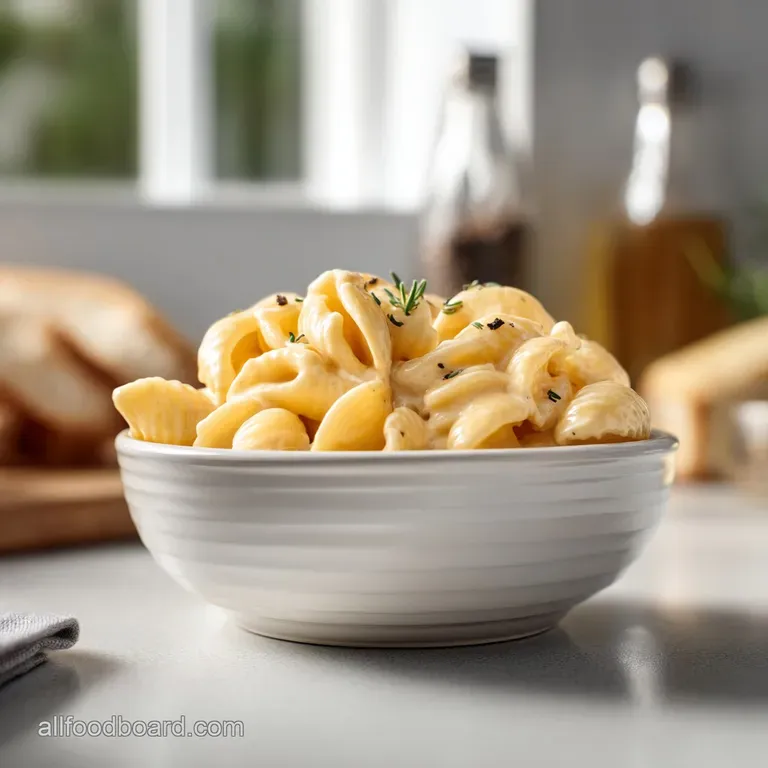
The Ultimate Weeknight Comfort: Introducing Speedy Cream Cheese Pasta Sauce
Remember those nights when you stared into the fridge, exhausted, knowing you needed something creamy, comforting, and fast? Well, darling, this is the solution. It’s got that immediate velvety texture and rich, tangy flavor that normally takes hours to develop, yet we nail it in under 30 minutes.
You are about to discover the magic of Cream Cheese Pasta Sauce .
For years, I relied on jarred sauces or heavy whipping cream, but the flavor was either flat or the calorie count was astronomical. This method uses affordable ingredients you probably already have, turning an ordinary weeknight meal into something truly special and luxurious.
It’s a total game changer for parents, students, or anyone who just wants maximal deliciousness for minimal effort.
This isn't just another sauce recipe; it’s a technique. It’s about leveraging the emulsifying power of full fat cream cheese to create the silkiest base imaginable. Let's ditch the complicated roux and crack on with the ultimate Easy Cream Cheese Pasta Sauce recipe that will instantly enter your permanent rotation.
The Cream Cheese Secret: Achieving Velvety Smooth Texture Instantly
The moment I realized that cream cheese wasn't just for bagels, my life changed. This entire Cream Cheese Pasta Sauce relies on one simple principle: using the melting properties of cream cheese to bypass the traditional thickening agents. It offers fat, tang, and structure all in one block.
The secret behind this truly perfect Cream Cheese Pasta Sauce is how easily the cheese melts.
Why Cream Cheese Replaces the Traditional Roux
Making a traditional béchamel requires precise timing, specific flour-to-fat ratios, and constant stirring who has the bandwidth for that on a Tuesday? Cream cheese is already a stable emulsion of fat and milk solids.
When introduced gently to warm liquid, it breaks down beautifully, creating instant body and a smooth, appealing mouthfeel. It truly simplifies the whole process.
The Minimalist Approach: Maximum Flavor, Minimum Effort
We are utilizing fewer ingredients but maximizing their impact. By using a good quality stock and focusing on properly sautéing the aromatics (garlic and shallot), we build a deep base flavor before the cheese even hits the pan. The nutmeg isn't negotiable, by the way.
It sounds weird, but it provides the essential je ne sais quoi that makes this feel like a fancy restaurant dish.
Recipe Snapshot: Time, Difficulty, and Yield
| Metric | Detail |
|---|---|
| Total Time | 25 Minutes |
| Difficulty | Super Easy |
| Servings | 4 Generous |
Understanding the Tangy, Rich Flavor Profile
What sets this particular sauce apart from standard heavy cream sauces is the lovely, slight acidity from the cream cheese. That tang cuts through the richness, preventing the dish from feeling heavy or cloying.
The small amount of optional white wine (or lemon juice, if you skip the wine) further brightens the profile, making this Cream Cheese Pasta Sauce Recipe incredibly balanced.
Temperature Control: The Key to Preventing Lumps
This is where most people mess up creamy sauces. Adding cold dairy to hot liquid causes the proteins and fats to seize up instantly, resulting in a grainy, sad mess. To make a perfect Creamy Pasta Sauce with Cream Cheese , we must remove the pan from the heat entirely before whisking in the room temperature cream cheese cubes.
Residual heat is your friend; direct heat is your enemy.
The Science of Emulsification in 15 Minutes
Emulsification just means getting fat and water to play nicely together, which is exactly what happens when you combine the reserved starchy pasta water with the melted fat from the butter and cheese. The starch acts as a binder, creating a stable, glossy sauce that coats every strand of pasta perfectly.
This is how restaurant pasta looks so glorious.
Pantry Essentials: Ingredients for Your One-Pan Pasta Sauce
You don't need a huge grocery list for this, which is part of the appeal of making your own Cream Cheese Pasta Sauce . The quality of the few ingredients we do use is surprisingly important, especially the dairy.
Finding the right block is half the battle when preparing a truly stellar Cream Cheese Pasta Sauce .
Choosing the Best Cream Cheese Block (Full Fat vs. Neufchatel)
Please, please, please use full fat cream cheese sold in the block form for this. The higher fat content is crucial for the stability and richness of the sauce. For those looking for a fully dairy-free Vegetarian Cream Cheese Pasta Sauce , there are great options now.
| Ingredient | Why it's best | Substitution |
|---|---|---|
| Full Fat Block Cream Cheese | Best emulsifier, rich flavor | Neufchatel (lighter fat content, may require a splash of cream), or Mascarpone (less tangy) |
| Unsalted Butter | Controlled fat base, necessary for sautéing | Good quality olive oil or ghee |
| Shallot | Milder, sweeter onion flavor | 1/4 small yellow onion, very finely minced |
Dairy Additions: Milk, Cream, or Reserved Pasta Water
While some recipes call for heavy cream, I usually stick to reserved pasta water and stock for thinning the sauce. This keeps it feeling less heavy. If you crave intense richness, a splash of heavy cream at the very end will certainly give it that boost.
| Liquid Base | Purpose | Substitution |
|---|---|---|
| Chicken/Veg Stock | Depth of flavor, initial thinning | Plain water + 1 bouillon cube, or whole milk |
| Dry White Wine | Acidity and depth (optional) | 1 tsp lemon juice mixed with 1/4 cup stock |
Essential Seasonings: Garlic, Acid, and Herb Variations
Fresh garlic is non-negotiable here. A generous grating of fresh nutmeg is the true secret weapon in any great Creamy Garlic Pasta with Cream Cheese . Trust me, you won't regret it.
Ingredient Swaps and Flavor Boosters
Want to mix things up? This base recipe is incredibly forgiving. Try adding smoked paprika, a pinch of cayenne for heat, or switching out the Parmesan for Pecorino Romano if you like a sharper, saltier kick.
For an incredible color and flavor variation, try making a Cream Cheese Tomato Pasta Sauce by stirring in a 1/2 cup of tomato paste with the garlic before adding the stock.
From Pan to Plate: The 30 Minute Guide to Cream Cheese Pasta
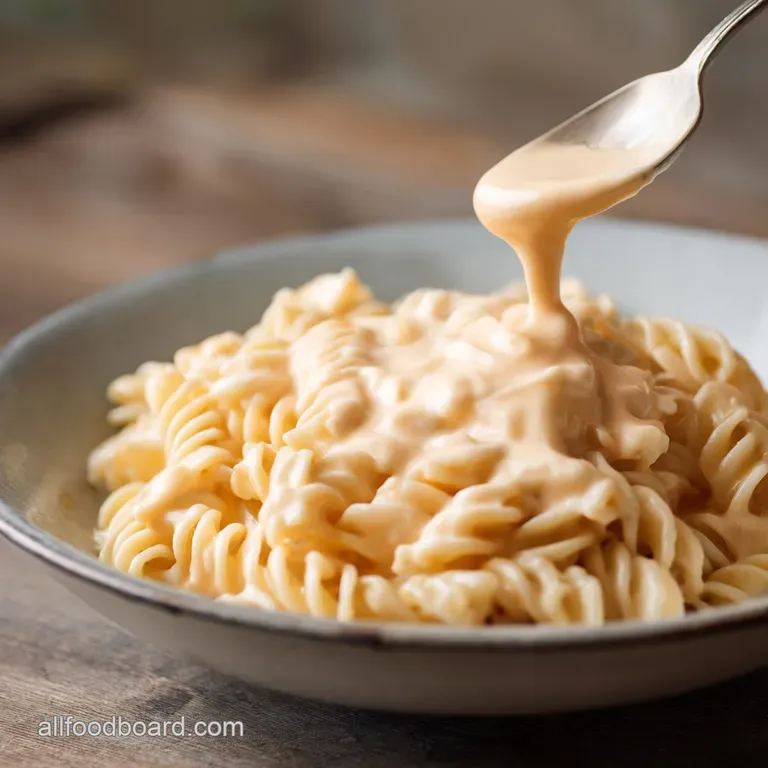
This is your battle plan for achieving a perfect, velvety finish. Remember, the key to a fantastic Cream Cheese Pasta Sauce is patience when melting the cheese and vigorous stirring when tossing the pasta.
Phase 1: Softening Aromatics and Building the Base
- Start the Water and Prep the Cheese: Get your salted water boiling for the pasta. While the water heats, mince your shallot and garlic, and most importantly, cut your room temperature cream cheese block into 1 inch cubes. Building a deep flavor base is essential before finishing the creamy Cream Cheese Pasta Sauce .
- Sauté the Shallot: Melt the butter over medium heat in a large, deep skillet. Add the shallots and cook them gently for 3- 4 minutes until they become translucent. We want them soft, not brown.
- Bloom the Garlic: Add the minced garlic and cook for about 60 seconds. You should smell a wonderful, savory aroma. If the pan starts to feel too hot, reduce the heat immediately; burnt garlic is bitter garlic.
- Deglaze and Reduce: If using wine, pour it in now and scrape up any lovely brown bits on the bottom (that’s flavor!). Let it bubble furiously and reduce by about half, which takes maybe 2 minutes.
Phase 2: Incorporating Cream Cheese and Liquid (The Melt)
- Add Stock and Simmer: Pour in the stock and bring it to a low simmer. Let it cook for 2 minutes to warm thoroughly.
- The Off-Heat Melt: Remove the pan completely from the heat source. This is the moment! Add the cubed cream cheese.
- Whisk to Velvet: Whisk continuously and aggressively until the cheese is totally dissolved and the sauce is uniform and smooth. You should have a thick, glossy base. Be patient when whisking the hot stock into the soft cheese to ensure a smooth Cream Cheese Pasta Sauce every time. If it's too thick at this stage, add a small splash of stock.
Phase 3: Finishing the Sauce and Tossing the Pasta
- Season and Finish the Sauce: Return the pan to low heat. Stir in the Parmesan cheese, nutmeg, salt, and pepper. Taste it does it need more salt? A pinch of acid? The flavor should be rich and tangy.
- Drain and Reserve: Before draining your pasta, scoop out at least two cups of the starchy water. Drain the pasta when it is perfectly al dente .
- Toss to Emulsify: Add the drained pasta directly into the sauce pan. Toss vigorously. The residual heat from the pasta will continue to melt the Parmesan.
- Achieve Cling: If the sauce looks dry or tight (it probably will), add the reserved pasta water, one ladle at a time, until the Cream Cheese Pasta Sauce clings perfectly to every strand. This is often the step people skip, resulting in dry pasta.
Pro Tip: Integrating Cooked Pasta Directly into the Sauce
Never drain the pasta and then plate it before adding the sauce. Always, always finish the pasta in the sauce pan. This final minute of mixing allows the pasta to absorb the last bits of flavor and, crucially, releases the final amount of starch needed for a cohesive sauce structure.
It makes all the difference when finishing your Vegetarian Cream Cheese Pasta Sauce . The final step tossing everything makes this the ultimate One-Pan Cream Cheese Pasta .
Troubleshooting and Mastery: Ensuring a Perfect Silky Finish
Even pros mess up sometimes, usually when they rush the temperature control. I once tried to rush a batch of Cream Cheese Pasta Sauce after a long day and ended up with a slightly separated, oily mess.
Understanding why your favorite Cream Cheese Pasta Sauce might break is key to mastering this recipe.
Saving a Broken or Grainy Sauce (The Rescue Method)
If your sauce has broken meaning the fat has separated from the liquid it’s usually because you added the cream cheese when the stock was boiling, or you cooked it too long after the cheese was incorporated.
Chef’s Note: Remove the pan from the heat. Whisk in 1 tablespoon of ice-cold butter or, better yet, 2 tablespoons of cold reserved pasta water. Whisk continuously and vigorously off the heat until the mixture comes back together.
This quick fix works for any style of Cream Cheese Pasta Sauce you decide to create.
Adjusting Consistency: Too Thick vs. Too Thin
If your Cream Cheese Pasta Sauce is too thick, simply whisk in more reserved pasta water, one spoonful at a time, until it reaches your desired consistency.
If it's too thin, you have a couple of options: either simmer it gently for a minute or two (watch carefully so it doesn't break!), or my preferred method: stir in a tablespoon of finely grated Parmesan cheese, which adds body instantly.
If you accidentally over reduce the liquid, try adding milk to achieve a creamy, but slightly less intense, Cream Cheese Pasta Sauce consistency.
The Final Seasoning Check: Salt, Pepper, and Acidity Balance
You’ve tossed the pasta and it looks gorgeous. But how does it taste? If it's flat, it needs salt. If it's heavy, it needs acid. Don't be shy about adding a tiny squeeze of lemon juice or a dash of black pepper right at the end.
That final pop of seasoning can transform a decent meal into an absolutely brilliant one.
make-ahead Magic: Storing and Reheating the Sauce
This particular Cream Cheese Pasta Sauce behaves relatively well as a leftover, but cream cheese sauces can be tricky if you try to freeze them. Making a big batch of this One-Pan Cream Cheese Pasta base on Sunday is smart!
Best Practices for Refrigeration (Cooked vs. Uncooked Sauce)
If you have leftover pasta that has already been tossed with the sauce, store it in an airtight container in the fridge for up to 3 days. If you made a batch of the sauce without mixing in the pasta, it keeps well for up to 4 days.
Storing the sauce separately is always the superior option if you are meal prepping, as it prevents the pasta from getting mushy.
Can I Freeze Cream Cheese Sauce? (The Texture Challenge)
Honestly? I advise against freezing the finished Cream Cheese Pasta Sauce . When thawed, the fat and milk solids tend to separate, giving you a grainy, curdled texture even if you whisk aggressively during reheating.
If you must freeze it, mix 1 tablespoon of cornstarch (slurried with cold water) into the sauce before freezing; this often helps stabilize the emulsion. Freeze in small portions for up to 2 months.
Revitalizing Leftovers: Reheating Without Splitting
Reheat leftovers gently in a skillet over low heat. As soon as the sauce starts to melt, add a tablespoon or two of milk, cream, or stock, stirring constantly. This introduces new moisture and helps smooth out any graininess that developed in the fridge.
Avoid microwaving large batches, as rapid, uneven heating is the quickest way to break a creamy sauce.
Elevating Your Dish: Perfect Pairings and Garnish Ideas
We’ve established that this Cream Cheese Pasta Sauce is phenomenal on its own, but sometimes you want to dress it up a little. This recipe works beautifully with thicker pasta shapes like fettuccine, pappardelle, or penne, as they really hold onto the thick sauce.
- Fresh Herbs: A generous sprinkle of fresh parsley, chives, or basil is mandatory for color and freshness.
- A Bit of Crunch: Toasted breadcrumbs or pine nuts sprinkled on top add a lovely textural contrast to the smooth sauce.
- Green Veggies: While I avoid main proteins here, the creamy sauce is perfect for pairing with simple steamed broccoli florets or sautéed spinach. In fact, if you love creamy green pastas, you might also adore my recipe for Chicken Spinach Pasta: Creamy Garlic Recipe Ready in 30 Minutes .
This sauce is surprisingly versatile. It serves as a brilliant base if you want to add roasted tomatoes or even make a quick Cream Cheese Pasta Sauce for Kids by simply omitting the wine and heavy garlic. It also acts as a lighter alternative to the base sauce used in my hearty Sausage Broccoli Pasta: The Best Italian Sausage Tenderstem Recipe — just use the Cream Cheese Pasta Sauce instead of the typical heavy cream and let the flavors sing.
Seriously, this reliable and decadent Cream Cheese Pasta Sauce will change your perception of weeknight cooking. Go make a bowl. You deserve it. Trust me, this reliable and decadent Cream Cheese Pasta Sauce is exactly what your weeknights have been missing.

Recipe FAQs
Why did my cream cheese sauce turn out lumpy?
Lumps usually occur because the cream cheese was too cold or the heat was too high during melting. Ensure you use room temperature cream cheese, cut it into small cubes, and stir continuously over medium low heat. Adding the liquid (like pasta water or milk) slowly helps emulsify the cheese smoothly.
My sauce is too thin. How can I thicken it up without adding more cream cheese?
The easiest fix is to let the sauce simmer uncovered for a few extra minutes to allow evaporation, or add 1/4 cup of grated Parmesan cheese, which melts beautifully and contains starches that thicken the liquid.
Alternatively, create a small slurry using one teaspoon of cornstarch mixed with cold water, and stir it into the simmering sauce.
Can I use low-fat or whipped cream cheese instead of the full fat block?
While you can substitute, it is not recommended for optimal texture. low-fat and whipped varieties have higher water content and stabilizers that make them prone to separating or becoming grainy under heat. Full fat block cream cheese provides the best richness and stability for a smooth sauce.
What is the best way to store and reheat leftovers?
Store leftovers in an airtight container in the refrigerator for up to three days; note that the sauce will tighten considerably upon chilling. To reheat, transfer the pasta and sauce to a saucepan over low heat, adding a splash of milk or reserved pasta water while stirring gently until the sauce returns to a creamy consistency.
Can this sauce be frozen?
Freezing is generally discouraged for cream based sauces as the high fat dairy components tend to separate and become grainy once thawed and reheated. If you must freeze, separate the sauce from the pasta and plan to aggressively whisk in a small amount of fresh cream or milk when reheating to help emulsify the texture.
How can I elevate the flavor profile of this basic cream cheese sauce?
Try sautéing minced garlic or shallots before adding the cream cheese base for aromatic depth. For a richer flavor, add a teaspoon of smoked paprika or a dash of nutmeg. Fresh herbs like finely chopped chives, basil, or dill stirred in at the very end also provide a bright finish.
Can I make this recipe vegan or dairy-free?
Yes, you can substitute the traditional cream cheese with a high-quality vegan cream cheese alternative (such as those made from cashews or almonds). Ensure the alternative is unsweetened and allow extra time for it to fully melt and blend, as the texture may differ slightly from the dairy version.
Speedy Cream Cheese Pasta Sauce
Ingredients:
Instructions:
Nutrition Facts:
| Calories | 825 kcal |
|---|---|
| Protein | 31.1 g |
| Fat | 35.2 g |
| Carbs | 95.6 g |
