New York Cheesecake Recipe: Tall, Dense, and Uncrackably Smooth
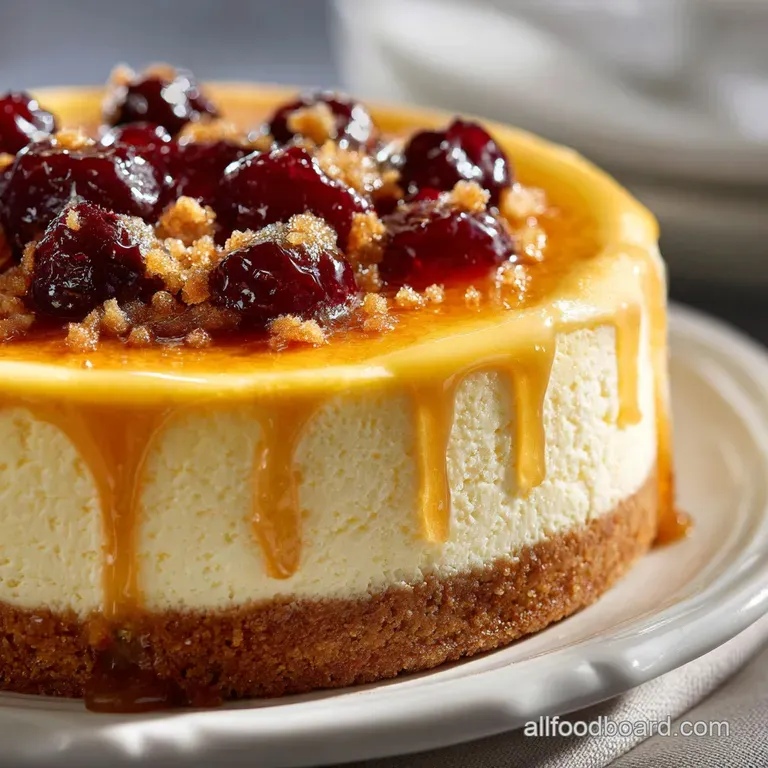
- The Definitive Guide to Authentic New York Cheesecake
- Ingredients Checklist: Building the Best New York Cheesecake Base and Filling
- Step-by-Step: From Crust Compression to The Gentle Bake
- Mastering the Uncrackable Cheesecake: The Science of Smooth
- Expert Troubleshooting: Chef’s Tips for a Flawless Finish
- Longevity and Preservation: Storing Your Majestic Cheesecake
- Elevating Your Slice: Serving Pairings for The Classic New York Cheesecake
- Recipe FAQs
- 📝 Recipe Card
The Definitive Guide to Authentic New York Cheesecake
What Defines a Proper Deli Style Cheesecake?
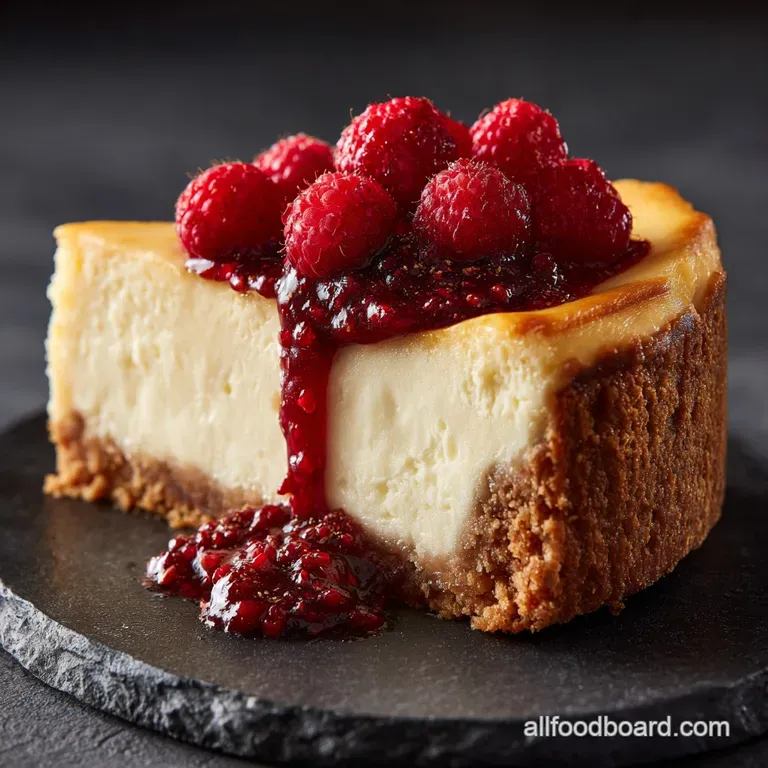
You need to know something: this isn't that light, fluffy, sad excuse for dessert you get sometimes. This is the real deal. It’s dense, slightly tangy from the sour cream, and possesses a velvety, almost fudgy texture that holds up perfectly under a fork.
When you cut into it, the aroma of vanilla and rich, baked cream cheese should practically punch you in the face.
Essential Equipment for Achieving Skyscraper Height
While this recipe requires precision, it doesn't require a commercial kitchen. All you really need is a good 9 inch springform pan, which is crucial for getting that beautiful, tall slice, and some quality aluminum foil. Don't cheap out on the foil, okay? We're building a waterproof boat here.
The water bath, or bain marie, might seem like extra faff , but trust me, it’s the secret weapon against cracks and dryness.
Prep Time, Bake Time, and Chill Time Breakdown
Patience is the main ingredient in any great New York Style Cheesecake. The active prep time is shockingly short maybe 20 minutes if you’re organized. But the true magic happens during the slow bake, and especially during the mandatory 8 hour chill time in the fridge.
If you’re pressed for time, maybe stick to a fast dessert, like those fantastic no-bake bars we made last summer; otherwise, plan this project for the day before you need it.
Ingredients Checklist: Building the Best New York Cheesecake Base and Filling
Perfecting the Graham Cracker Crust Ratio
The crust should be a sturdy platform, not a crumbling mess. My secret involves using just a touch of extra salt in the crust mixture, which really makes the sweetness of the graham crackers pop.
We blind bake it for a few minutes, which stabilizes the butter and prevents a soggy bottom a common amateur mistake. Do not use a pre-made crust; they are too thin for this majestic cake.
Temperature Requirements for Cream Cheese and Eggs
This is where the science comes in, so listen up. For a truly smooth, uncrackable cheesecake, every single filling ingredient must be at room temperature. Cold cream cheese leads to lumpy batter, full stop.
If you try to beat cold cream cheese hard to get the lumps out, you just end up incorporating too much air, and that air will cause your beautiful Best Cheesecake to deflate and split in the oven.
Swap Outs for Lemon Zest and Vanilla
You might not always have exactly what you need on hand, and that’s fine. Here are my favorite easy swaps.
| Ingredient | Viable Substitute | Notes |
|---|---|---|
| Sour Cream | Full Fat Greek Yogurt or Crème Fraîche | Provides the necessary tang and moisture. |
| Graham Crackers | Vanilla Wafers, Digestive Biscuits, or Shortbread | Use the same volume; adjust sugar if wafers are very sweet. |
| Lemon Zest | 1/4 tsp Almond Extract | If you want to vary the flavor slightly, almond extract works brilliantly. |
step-by-step: From Crust Compression to The Gentle Bake
Pressing the Base and Sides for Structural Integrity
After mixing your crumbs and butter until they resemble wet sand, dump the mixture into the prepared springform pan. Use the bottom of a measuring cup or a flat glass to compress the base first, working outwards. Then, use your fingers to press the crumbs firmly about an inch up the sides.
A well compressed crust is the foundation of your skyscraper; pack it tight.
Combining Wet Ingredients Without Incorporating Excess Air
This is the most critical stage for achieving the smooth texture New York Style Cheesecake is famous for. Beat the room temperature cream cheese until it is unbelievably smooth, scraping the bowl often. Once the sugar is in, reduce the speed to low.
When you add the eggs and extra yolk (which adds richness, by the way), mix only until they are just incorporated. Stop the mixer the second the yellow streak disappears. A rubber spatula should do the rest of the mixing by hand, ensuring you don't over mix.
Setting Up the Springform Pan and Water Barrier (The Bain Marie)
The springform pan must be wrapped incredibly well. Use three layers of heavy duty aluminum foil, covering the entire bottom and extending up the sides. Place this wrapped pan inside a larger roasting pan. This setup is your bain marie.
Pouring boiling water into the roasting pan creates a steamy, humid environment that ensures the New York Cheesecake cooks evenly, gently, and without drying out the edges.
Chef's Note: I once skimped on the foil, and my cheesecake base turned into a soggy mess after the water bath leaked. Learn from my mistake: Triple wrap it!
The Critical Oven Door Cooling Sequence
When your Classic Cheesecake is baked the edges are set and the center jiggles slightly like firm gelatin it's time for the cooling ritual. Turn the oven off, but do not open the door fully yet.
Instead, prop the door open about an inch with a wooden spoon and let the cake sit inside the cooling oven, still in the water bath, for a full hour. This gradual drop in temperature is essential; it stops the rapid contraction that causes huge, ugly cracks.
Mastering the Uncrackable Cheesecake: The Science of Smooth
The Role of Full Fat Cream Cheese and Sour Cream
Authentic New York Cheesecake requires full fat dairy, period. We use the highest quality cream cheese, and the inclusion of sour cream adds a slight tanginess that balances the sweetness beautifully.
More importantly, the high fat content ensures a dense, rich consistency that won't become grainy or dry during the long bake. This is why we call it the New York Style Cheesecake —it's heavy, luxurious, and completely unapologetic about the calories.
Why the Water Bath Is Non-Negotiable
A water bath serves two main purposes. First, the steam keeps the surface moist, preventing the top layer from drying out and cracking before the interior is cooked. Second, water regulates the temperature, ensuring the cheesecake bakes at a consistent, moderate heat (200°F or less internally).
This slow, gentle process yields that famous smooth texture. If you decide to skip this, your cake will look like the surface of the moon.
The Low and Slow Mixing Method for Air-Free Batter
Did I mention low speed? Use low speed! High speed incorporates air, and air is the enemy of a smooth surface. When the air expands during baking, it creates a puff. When the cake cools, that puff collapses, leaving a sunken, cracked mess. Keep the mixing minimal after the cream cheese is smooth and the eggs are added.
Expert Troubleshooting: Chef’s Tips for a Flawless Finish
Preventing Cracks: The Danger of Overbaking and Sudden Temperature Changes
The biggest failure point is overbaking. If you bake it until the center is completely firm, you've gone too far. The new york cheesecake recipe easy part is actually finding the right time to pull it out. The center should still wobble.
Once out, the temperature needs to drop slowly —that's why we use the cooling oven trick.
Why Your Cheesecake Sinks (And How to Stop It)
Sinking is usually caused by excessive air (see mixing notes above) or by removing the cake too quickly from the heat source. The oven door cooling and the subsequent cool down on the counter allows the internal structure to fully set without shrinking dramatically.
Don't ever chill a warm cake immediately, or it will seize and sink.
Testing Doneness Without Jiggling the Pan
You don't need to violently shake your expensive dessert. Gently tap the side of the roasting pan. The outer two inches of the cheesecake should look set and maybe slightly pale. The center 2 3 inches should retain a gentle, loose wobble.
If the entire surface looks solid, you've overcooked it, and you should pull it immediately.
Longevity and Preservation: Storing Your Majestic Cheesecake
Once the cheesecake is completely cool, run a thin knife around the edge of the pan before covering it with plastic wrap this prevents the edges from sticking when you release the springform later. Cheesecake stores beautifully.
- Fridge Shelf Life: Properly wrapped, your cheesecake is good for 5 to 7 days in the refrigerator. Store it in an airtight container or keep it tightly wrapped to prevent it from absorbing fridge smells.
- Freezing Instructions: Yes, you bet this freezes well! Cool it completely, then freeze it unwrapped until firm (about an hour). Once frozen, wrap it tightly in a double layer of plastic wrap, followed by a layer of foil. It will last in the freezer for up to 2 months.
- Reheating (Thawing): Thaw it slowly. Move the wrapped cake from the freezer to the refrigerator 24 hours before you plan to serve it. Do not attempt to thaw it at room temperature, or the rapid temperature change will ruin the texture.
Elevating Your Slice: Serving Pairings for The Classic New York Cheesecake
The classic new york cheesecake ingredients create a dessert that is robust enough to handle bold toppings, but I often prefer to serve it simply.
For a rich, sophisticated finish, I love pairing the tangy, dense filling with something bright. A homemade raspberry coulis or a simple scattering of fresh, tart blueberries is perfect. If I want something more decadent, maybe I'll whip up some salted caramel sauce.
We often make special cheesecakes for holidays. If you enjoyed the density of this recipe, you might like my holiday variation: Christmas Desserts: The Ultimate Sticky Toffee Cheesecake . For summer, sometimes I want something light and fast, like my Millionaire Cheesecake Salad: Easy, No-Bake Posh Dessert . The point is, cheesecake is always the answer.

Recipe FAQs
How do I prevent my magnificent cheesecake from cracking on top?
Cracks usually result from extreme temperature changes or overbaking, which dries out the edges before the center is cooked. Ensure you use the water bath (bain marie) technique as described, and crucially, leave the baked cheesecake inside the turned off oven for at least an hour to cool gradually.
My cheesecake still looks very wobbly in the center. Is it done?
Yes, it should have a slight Jell-O-like jiggle right in the center (about 2 inches wide) when pulled from the oven. The cheesecake will continue cooking and setting firmly during the slow cooling process thanks to carryover heat. Do not continue baking past this point or you risk a dry texture and cracking.
Why did my filling turn out grainy or lumpy?
This is typically due to using cold cream cheese or overmixing the batter once the eggs are added. Ensure all dairy ingredients are completely softened to room temperature before starting your mix.
Once the eggs go in, mix only until they are just incorporated, as overmixing develops air and destroys the smooth, dense texture.
Can I skip the essential water bath (bain marie) to save time?
While you can bake it without one, skipping the water bath significantly increases the risk of severe cracking, shrinking, and a tough exterior edge. The steam provides the moist, gentle heat necessary for the signature uncrackably smooth, tall New York texture, making this technique non-negotiable for a premium result.
What is the best way to store or freeze leftover cheesecake?
Leftover cheesecake should be covered tightly and chilled in the refrigerator, where it will keep well for 5 to 7 days. For freezing, slice individual portions, wrap them tightly in plastic wrap, then aluminum foil, and store for up to one month; thaw overnight in the refrigerator.
Can I use light or low-fat cream cheese for this dense recipe?
For an authentic, dense New York Cheesecake, full fat cream cheese is absolutely essential for the required structure and richness. low-fat substitutes contain too much water and protein stabilizer, resulting in a soft, often grainy texture that fails to set properly and collapses easily.
How do I stop my springform pan from leaking into the water bath?
Tightly wrap the exterior base and sides of the springform pan with several layers of heavy duty aluminum foil, ensuring the foil extends past the height of the water level. Alternatively, place the springform pan inside a slightly larger, solid baking dish before setting both into the water bath.
Proper New York Cheesecake Recipe
Ingredients:
Instructions:
Nutrition Facts:
| Calories | 528 kcal |
|---|---|
| Protein | 9.5 g |
| Fat | 14.0 g |
| Carbs | 91.2 g |
