Peanut Butter Three Ways: Make Classic, Spicy, and Decadent Spreads at Home
- Ditch the Deli Aisle: Mastering Homemade Peanut Butter Three Ways
- The Science of Silk: Achieving Perfect Texture and Flavour
- The Essential Base & Specific Add-Ins for Peanut Butter Three Ways
- Step-by-Step Blueprint: Transforming Peanuts into Gold
- Expert Tips and Troubleshooting Common Homemade Mistakes
- Preserving the Freshness: Storage and Shelf Life Guidelines
- Pairing Perfection: Creative Ways to Use Your Peanut Butter Three Ways
- Recipe FAQs
- 📝 Recipe Card
Ditch the Deli Aisle: Mastering Homemade Peanut Butter Three Ways
You know that deep, warm, nutty aroma that hits you right when you walk past a peanut vendor at a fair? That's the scent we're chasing here. Homemade peanut butter delivers that glorious, heady fragrance every single time. It’s rich, velvety smooth, and unlike anything you can find in a jar at the store.
I call this recipe a kitchen lifesaver because it’s fast, unbelievably easy, and about a tenth of the price of the fancy, organic stuff. We control exactly what goes into it no weird sugars, emulsifiers, or hydrogenated oils necessary.
Just pure, glorious peanuts and whatever flavour magic we decide to add.
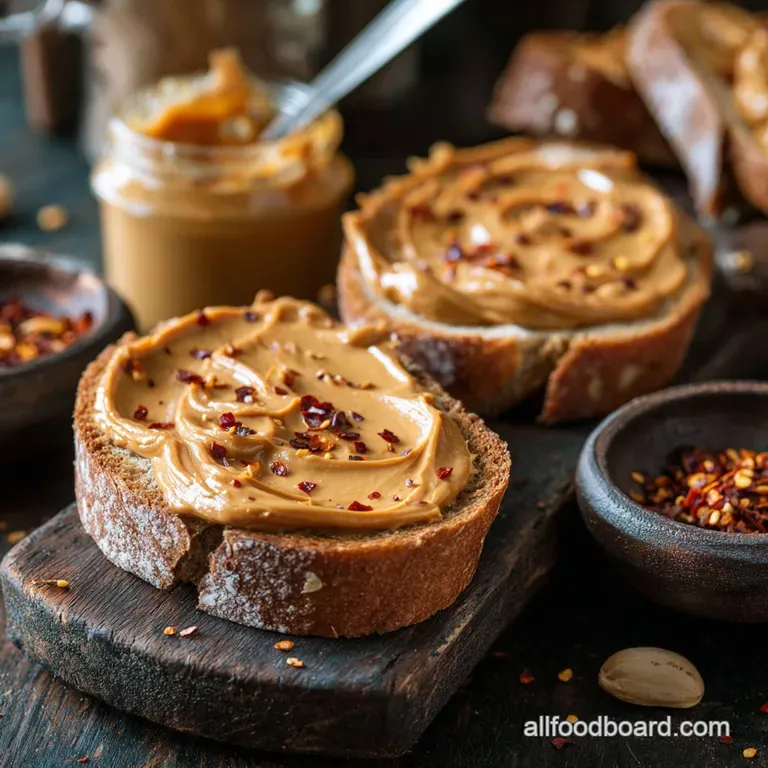
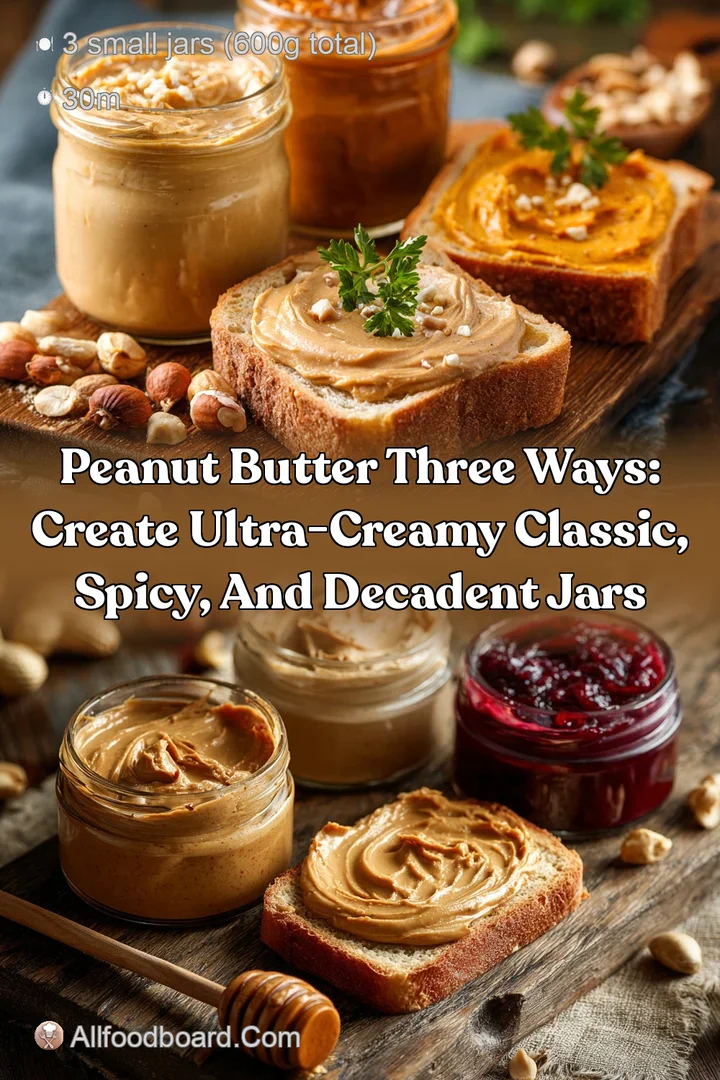
But why settle for one amazing spread when you can have three? We’re going to master the fundamental technique of making creamy, silky homemade peanut butter first. Then we split the batch for three distinct adventures: a flawless Classic Smooth , a dynamic Chilli Lime Kick , and an irresistible Honey Pecan Chunk .
Let’s crack on!
The Science of Silk: Achieving Perfect Texture and Flavour
Why store-bought Spreads Can’t Compete
The biggest difference between commercial peanut butter and your homemade jar is freshness and simplicity. store-bought versions often require massive amounts of added oil, sometimes hydrogenated fats, just to keep them shelf stable for a year without separating.
Your fresh batch will always taste cleaner, brighter, and intensely nutty. We use a tiny bit of neutral oil just to kickstart the blending process, but mostly, we rely on the peanuts’ own incredible natural fats.
A Snapshot of the Triple Treat Flavour Profiles
This recipe is about balancing textures and tastes across the trio. The Classic is your reliable daily driver: simple, perfectly salted, and creamy. The Chilli Lime is sharp, savoury, and slightly spicy; it cuts through richness beautifully and is surprisingly versatile.
Finally, the Honey Pecan Chunk is pure decadence, featuring thick, crunchy nut pieces swimming in sweet, cinnamon laced spread.
The Essential Equipment Check: Choosing the Right Food Processor
Do not, I repeat, do not try this in a weak blender. While a very high powered professional blender might work, a sturdy food processor is your best friend here. The friction needed to turn peanuts into butter is immense.
A weak machine will overheat, leaving you with dry, seized peanut dust and a burnt out motor. Trust me on this; I learned that the hard way.
The Oil Release Phase: Why Patience is Key
The most critical stage is when the mixture turns from a wet powder into a giant, sticky dough ball. This is called "seizing," and it happens right before the magic. People panic and immediately dump in extra oil. Don’t do it!
You must let the food processor keep running for several more minutes. The continuous friction generates the heat required to force the natural oils out of the peanuts, turning that dense ball into a runny, glossy liquid.
Roasting Ratios: Optimizing the Maillard Reaction in Peanuts
You must start with roasted peanuts. Roasting the nuts at 350°F (180°C) initiates the Maillard reaction. This caramelizes the inherent sugars and amino acids, creating hundreds of complex flavour compounds that raw peanuts simply don't have.
This process is non-negotiable if you want deeply flavourful, proper homemade peanut butter.
Balancing the Sweet, Spicy, and Salty Elements
Achieving optimal flavour across these three styles requires careful addition of elements that contrast the natural fat of the peanut. For the Chilli Lime spread, the lime juice provides necessary acid to cut the richness, while soy sauce offers umami depth.
For the Decadent Chunk, the cinnamon and vanilla balance the sweetness of the honey, ensuring it tastes rich, not just sugary.
The Essential Base & Specific Add-Ins for Peanut Butter Three Ways
Ingredient Deep Dive: Choosing the Best Raw Peanuts
Always start with raw, shelled, unsalted peanuts. If you buy the already roasted, salted kind, you lose control over the flavour profile and risk over salting the final product. I prefer blanched peanuts, meaning the papery red skins have been removed, which yields a smoother final texture.
| If you don't have... | Use this instead... |
|---|---|
| Raw Peanuts | Use dry-roasted peanuts (skip the roasting step, but cut the added salt). |
| Neutral Oil (Canola/Grapeseed) | Peanut oil, if no allergy concern, or a mild olive oil (but beware of flavor influence). |
| Pecans | Chopped walnuts or sliced almonds for the chunky variation. |
Building the Classic: Salt, Sweetener, and Stabilizer Choices
The Classic spread is simple perfection. We add salt to brighten the flavour and a tiny amount of sugar (optional) for that familiar, comforting sweetness. The primary stabilizer is patience in blending, but if you find your finished product separating too much in the jar, a small pinch of powdered sugar or cornstarch can help inhibit oil creep.
Crafting the Chilli Lime Kick: Required Spices and Zest
For this savoury spread, freshness is paramount. You need fresh lime juice to provide that bright, zesty note that cuts through the fat. I use dried chilli flakes for a consistent heat, but if you have Gochugaru (Korean chilli flakes), they offer a fantastic smoky depth without overwhelming heat.
Maximizing the Decadent Chunk: Roasting Pecans and Honey Selection
We add the pecans right at the end of the blending process, stirring them in by hand. This preserves their crunch. If you blend them with the peanuts, they just disappear into the base.
Use a thick, runny honey here something local and raw is fantastic or switch to maple syrup for a totally vegan spread.
Chef's Note: When adjusting the spices in the Chilli Lime blend, remember the heat will feel slightly muted when the peanut butter is warm, but it will intensify as it cools and sets. Be cautious when adding chilli flakes.
step-by-step Blueprint: Transforming Peanuts into Gold
Stage 1: Preparation and Initial Peanut Roasting
Preheat your oven to 350°F (180°C). Spread your raw peanuts in a single layer on a baking sheet. You only need 8– 10 minutes, but shake the tray every four minutes to ensure even browning. The moment they smell distinctly nutty and look lightly golden, pull them out.
Allow them to cool down for about 15 minutes; warm peanuts blend best, but blistering hot peanuts can damage your food processor.
Stage 2: The Critical Blending Sequence (From Crumble to Cream)
Transfer the warm peanuts and the initial 1/2 tsp of salt to the food processor bowl. Start processing! First, they’ll become a coarse meal, like fine breadcrumbs, in about two minutes. Then, the whole mass will clump up into a thick dough ball this is the seizure stage.
Keep blending past the seizure point. Around the five minute mark, add the 2 Tbsp of neutral oil. Continue blending, scraping down the sides every minute, until the mixture becomes truly smooth and glossy.
Stage 3: The Flavour Split Dividing and Customizing the Base
Once your base is beautifully runny, stop the machine. Scoop out two equal portions (1/3 each) into separate bowls, leaving the final 1/3 in the food processor bowl. This is the simplest way to manage three different flavour profiles without washing the whole machine three times.
Final Touches for Each Jar: Achieving Desired Consistency and Texture
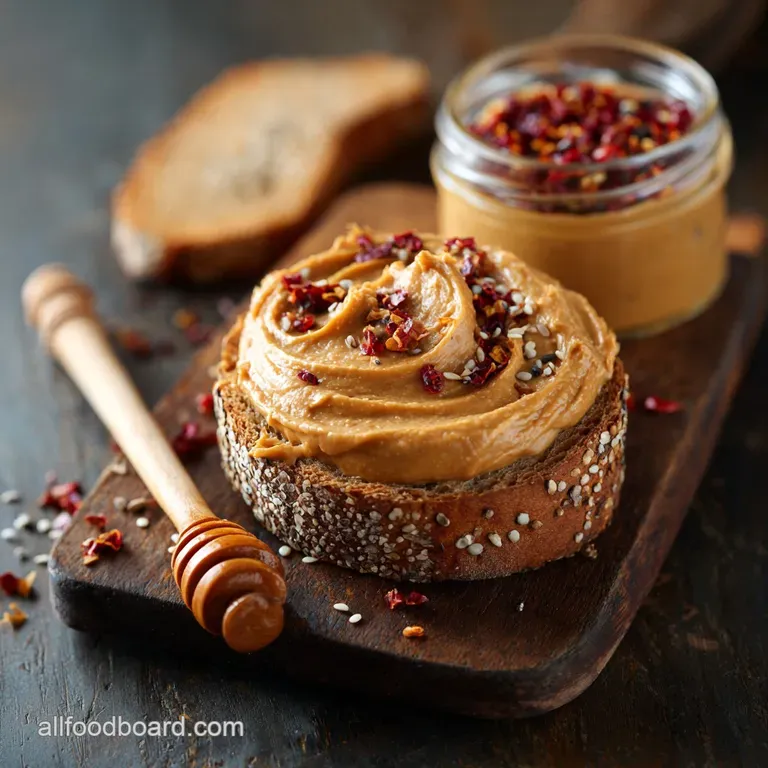
The base remaining in the processor gets the salt and optional sugar for The Classic . Blend it for a final 30 seconds. For The Chilli Lime Kick , vigorously stir in the lime juice, soy, ginger, and chilli flakes until fully integrated; a spatula works perfectly here.
For The Honey Pecan Chunk , stir in the honey, cinnamon, and vanilla, then carefully fold in those wonderful chopped pecans. This method ensures maximum crunch in the decadent batch.
Expert Tips and Troubleshooting Common Homemade Mistakes
I made so many mistakes the first few times I tried making peanut butter at home. You can avoid them!
Why Is My Peanut Butter Dry? Fixing Tough Consistency
If you blended for ages, followed all the steps, and the finished product still seems dry and tough, chances are you didn't extract enough oil. This usually happens if your food processor isn't powerful enough or if you added the supplemental oil too soon.
To fix it now, add a small tablespoon of neutral oil to the finished jar and stir aggressively, or blend it in with a handheld immersion blender if you have one.
Temperature Control: Avoiding Blender Burnout
If your food processor starts smelling like hot metal or the bowl feels dangerously hot, stop. Give the machine a two-minute rest. Seriously. Excess heat degrades the quality of the peanut oil, which can give your butter a slightly acrid taste.
Brief cooling breaks prevent this flavour degradation and save your appliance.
Adjusting for Smooth vs. Extra Chunky Textures
If you want an extra chunky texture, the easiest way is to set aside 1/2 cup of roasted peanuts before blending the main batch. Coarsely chop these reserved nuts by hand, then stir them back into the finished base once it’s smooth. This guarantees those lovely big chunks.
Troubleshooting Natural Oil Separation
Since we aren't using industrial stabilizers, natural oil separation (where oil rises to the top) is totally normal, especially if you store it at room temperature. Just use a butter knife or spoon to stir it back in before serving.
Preserving the Freshness: Storage and Shelf Life Guidelines
Best Practices for Refrigeration vs. Counter Storage
For the best texture, I prefer to keep The Classic and The Decadent spreads at cool room temperature (below 70°F/21°C) for up to one week. However, due to the fresh lime and soy sauce, you MUST refrigerate The Chilli Lime Kick spread immediately.
All three will last up to 3 4 weeks in the refrigerator. Be warned: refrigerated peanut butter hardens dramatically, so pull it out 30 minutes before you plan to use it if you want an easy spreading texture.
Culinary Uses for the Spicy Chilli Lime Spread
This is where the fun begins! The Chilli Lime is far too intense for toast, but it is phenomenal in savoury applications. I love thinning it out with hot water and a bit more soy sauce to make a dipping sauce for spring rolls or a quick, vibrant noodle dressing.
If you’re into quick recipes, this is an excellent marinade base for tofu or shrimp skewers.
Pairing Perfection: Creative Ways to Use Your Peanut Butter Three Ways
The great thing about making three distinct flavours is that you have a perfect spread for every mood.
Use the rich, smooth Classic for slathering on homemade bread. If you love quick sweet treats, this base is perfect for making [No Bake Cookies: The 60 Second Secret for Fudgy Peanut Butter Treats]. It’s the essential starting point for fudgy, quick dessert recipes.
The Honey Pecan Chunk is amazing layered into morning oatmeal or used in baking projects. Try substituting it for half the butter in a blondie recipe it adds a gorgeous, dense texture.
It would be amazing layered into my recipe for [Pumpkin Dessert Recipes: Fudgy Brown Butter Blondies] for an autumn treat!
And for a fun change, use the Chilli Lime Kick in your next simple curry. It adds creaminess, spice, and depth all in one spoonful. You can even use the Decadent Chunk version as the sweet component when whipping up a batch of those incredibly easy [No Bake Haystack Cookies: The Ultimate Butterscotch Crunch Recipe] if you swap the butterscotch chips for white chocolate!
Recipe FAQs
Why is my peanut butter still dry and crumbly after five minutes of processing?
Achieving the silky smooth consistency requires patience; the process usually takes 8 to 12 minutes, depending on the strength of your food processor. The peanuts must first release their natural oils, which happens only after they pass through the initial dry, granular stage.
Keep processing and scraping down the sides often, and avoid adding liquid until the consistency begins to emulsify.
Do I need to roast the peanuts myself, or can I use raw peanuts directly?
Roasting the peanuts is highly recommended as it significantly enhances the flavor depth and helps the nuts release their oils much faster during blending. If you use raw peanuts, the resulting spread will have a slightly vegetal taste and will require substantially longer processing time to achieve smoothness.
Ensure your peanuts are fully cooled before starting the blending process.
How should I store the three different flavors, and how long will they last?
Homemade peanut butter should be stored in airtight containers to prevent oxidation. If kept refrigerated, all three flavors including the more sensitive Chilli Lime version will maintain peak freshness for approximately 3 to 4 weeks.
Due to the lack of stabilizers, a layer of oil separation is normal, and a simple stir will re-emulsify the butter.
Can I make the Classic or the Honey Pecan versions vegan?
Yes, both versions are easily adaptable for vegan diets. For the Classic spread, ensure any optional added oil is plant based, like coconut or grapeseed oil. For the Honey Pecan Chunk, simply swap out the honey for an equal measure of maple syrup or agave nectar to maintain the necessary binding sweetness.
Can I adjust the heat level in the Chilli Lime Kick peanut butter?
Absolutely; the heat is entirely customizable to your preference. Start with half the recommended amount of cayenne pepper and chili powder, tasting as you go before blending in the rest. For a deeper, smoky heat, consider replacing some of the cayenne with a pinch of chipotle powder instead.
Can I use this technique to make other nut butters, like almond or cashew?
This fundamental method works perfectly for most nuts that have a high oil content. Almonds, cashews, and pecans can all be turned into smooth butter solely through the friction of the food processor.
Be aware that harder nuts, like almonds, may require a slightly longer overall processing time and potentially a more powerful machine.
Is it safe to freeze homemade peanut butter, especially the chunky variety?
Yes, peanut butter freezes very well and this is an excellent method for long term storage of up to six months. Store the butter in an airtight, freezer safe container, leaving about a half inch of headspace to account for expansion.
When you are ready to use it, thaw it overnight in the refrigerator and give it a hearty stir to restore the texture.
Peanut Butter Three Ways Homemade Recipe
Ingredients:
Instructions:
Nutrition Facts:
| Calories | 837 kcal |
|---|---|
| Protein | 31.3 g |
| Fat | 73.3 g |
| Carbs | 26.2 g |
