Pf Changs Lettuce Wraps
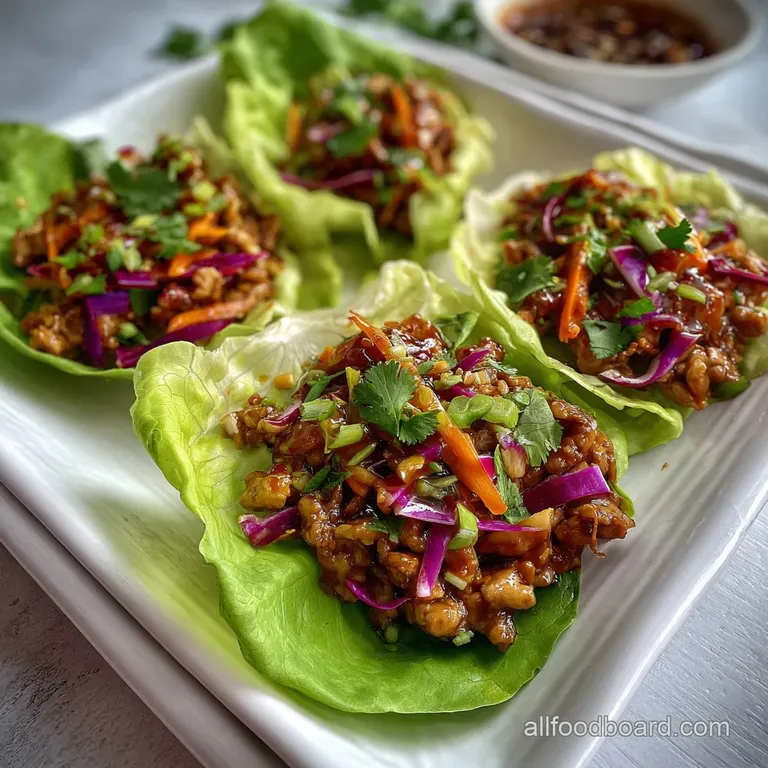
- Time: Active 10 minutes, Passive 10 minutes, Total 20 minutes
- Flavor/Texture Hook: Savory, glazed protein against a cold, shatter crisp lettuce leaf
- Perfect for: High energy weeknight dinners or a crowd-pleasing social appetizer
- Cracking the Code for PF Changs Lettuce Wraps
- Vital Stats for Your Kitchen
- The Essential Elements for Umami
- Necessary Tools for High Heat
- The Choreography of the Wok
- Fixing Common Stir Fry Pitfalls
- Scaling for a Crowd
- Fusion Swaps and Bold Tweaks
- Myths About Restaurant Stir Fry
- Storage and Zero Waste Methods
- Visual Flourish for Final Plating
- Recipe FAQs
- 📝 Recipe Card
Cracking the Code for PF Changs Lettuce Wraps
That first bite of a lettuce wrap in the restaurant is an experience, isn't it? It’s the aggressive hiss of the wok and the way the air fills with the scent of fermented soybeans and sharp ginger before the plate even hits the table.
For years, I tried to get that specific vibe at home, but I kept ending up with a watery, gray mess of chicken that looked more like a sad stew than a vibrant stir fry. It was frustrating, honestly. I almost gave it up until I realized I was crowding the pan and letting the mushrooms steam rather than sear.
We've all been there, standing over a lukewarm skillet, wondering why it doesn't smell like the "real deal." The secret isn't some mystery ingredient hidden in a vault. It’s about the heat, the order of operations, and the way you treat those water chestnuts.
This isn't just a copycat, it’s a version that actually honors the bold, nostalgic flavors of Asian street food with a fusion twist that works in a standard kitchen.
Right then, let's get into what makes this dish tick. You aren't just making dinner, you’re orchestrating a balance of temperatures and textures. We want the filling to be piping hot and deeply savory, nestled inside a leaf of butter lettuce that’s so cold it almost snaps.
Trust me on this, once you nail the timing, you'll never look at the takeout menu the same way again.
Vital Stats for Your Kitchen
The beauty of this dish lies in its speed. It's a sprint, not a marathon. Because we're working with high heat, everything has to be ready before you even turn on the stove. If you're chopping while the garlic is sizzling, you've already lost the battle.
Science of Why it WorksMaillard Reaction: High heat creates a complex chemical reaction between amino acids and reducing sugars, resulting in the deep brown crust and savory depth on the chicken.
Starch Gelatinization: The cornstarch in the hoisin sauce absorbs moisture and swells, creating a thick, glossy glaze that prevents the filling from becoming leaky.
| Method | Time | Texture | Best For |
|---|---|---|---|
| Traditional Wok | 8 minutes | Maximum char, smoky | Experienced cooks with high BTU burners |
| Cast Iron Skillet | 10 minutes | Excellent browning, even heat | Getting that restaurant style sear at home |
| Non Stick Pan | 12 minutes | Softer texture, less mess | Beginners or those using very little oil |
You might be tempted to just throw everything in at once, but that's the fastest way to steam your meat. We need the surface area of a large pan to let the moisture evaporate instantly. If you're doubling the recipe, work in batches.
It takes an extra five minutes, but the difference between "boiled chicken" and "seared chicken" is everything here.
The Essential Elements for Umami
Every ingredient here serves a specific purpose in the flavor architecture. We aren't just adding things for the sake of it. The mushrooms provide the "meatiness" that ground chicken sometimes lacks, while the vinegar cuts through the sugar of the hoisin.
| Ingredient | Science Role | Pro Secret |
|---|---|---|
| Ground Chicken | Protein Base | Use 90/10 lean to fat ratio for the best flavor to moisture balance. |
| Shiitake Mushrooms | Umami Booster | Mince them to the exact size of the chicken crumbles for a seamless texture. |
| Hoisin Sauce | Emulsifier & Glaze | Acts as the "glue" that binds the aromatics to the protein. |
| Water Chestnuts | Texture Contrast | These don't lose their crunch when heated, providing a necessary "shatter" in every bite. |
Choosing the right lettuce is just as vital as the filling. You want butter lettuce (also known as Bibb or Boston) because the leaves are naturally cup shaped and flexible. Iceberg is too brittle, and Romaine is too narrow.
If you can't find butter lettuce, look for "living lettuce" in the produce aisle, it usually comes with the roots still attached, which keeps it incredibly fresh and crisp.
The Savory Stir Fry Base
- 1 lb ground chicken: Why this? Provides a neutral, lean canvas that absorbs the bold sauce without becoming heavy. (Substitute: Ground turkey or crumbled firm tofu)
- 1 cup shiitake mushrooms, finely diced: Why this? Adds essential earthy depth and helps bulk out the meat. (Substitute: Cremini or button mushrooms)
- 8 oz canned water chestnuts, drained and minced: Why this? Stays crunchy even after cooking, offering a dynamic textural contrast. (Substitute: Jicama)
- 1/2 white onion, finely diced: Why this? Provides a foundational sweetness when properly translucent. (Substitute: Shallots)
The Signature Glaze
- 3 cloves garlic, minced: Why this? Provides the aromatic punch that defines the first scent of the dish. (Substitute: 1 tsp garlic powder in a pinch)
- 1 tbsp fresh ginger, grated: Why this? Adds a bright, zesty heat that cuts through the salty soy sauce. (Substitute: Ground ginger, but fresh is vastly superior)
- 1/4 cup hoisin sauce: Why this? The primary flavor driver, offering sweetness, salt, and thickness. (Substitute: Oyster sauce mixed with a teaspoon of sugar)
- 2 tbsp low sodium soy sauce: Why this? Adds salt and color without making the dish overly briny. (Substitute: Tamari for gluten-free)
- 1 tbsp rice wine vinegar: Why this? The acid balance that wakes up all the other ingredients. (Substitute: Apple cider vinegar)
- 1 tsp sesame oil: Why this? Adds a toasted, nutty fragrance at the very end. (Substitute: Toasted peanut oil)
- 1 tsp sriracha: Why this? A tiny kick of heat to round out the flavor profile. (Substitute: Red pepper flakes)
The Vessel and Garnish
- 1 large head butter lettuce: Why this? The soft, pliable leaves make for the perfect edible container. (Substitute: Cabbage leaves)
- 1/4 cup green onions, sliced: Why this? Adds a fresh, sharp finish to the hot filling. (Substitute: Chives)
- 1 tbsp avocado oil: Why this? High smoke point allows for the intense sear we need. (Substitute: Grapeseed or canola oil)
Chef's Tip: To get the lettuce leaves off without tearing, cut the core out of the bottom first, then hold the head of lettuce under cold running water. The water pressure gently pushes the leaves apart from the inside out.
Necessary Tools for High Heat
You don't need a professional kitchen, but a few specific tools make this much easier. A large heavy bottomed skillet is your best friend here. I personally love using a well seasoned cast iron pan because it holds heat like a beast. When that chicken hits the pan, you want to hear an immediate, aggressive hiss.
If it's a quiet sizzle, your pan isn't hot enough.
A microplane is also a game changer for the ginger and garlic. It turns them into a paste that melts into the sauce rather than leaving you with big, spicy chunks. If you're looking for a similar vibe with a different protein, the sauce technique here is quite close to what I use in my Hoisin Chicken Lettuce recipe, which is a great alternative if you prefer whole chicken breast over ground meat.
The Choreography of the Wok
This process moves fast. You're looking for specific sensory cues at every stage: the smell of the onion losing its bite, the sight of the sauce bubbling into a thick glaze, and the sound of the water chestnuts being tossed in the pan.
1. The Cold Prep Phase
Wash the butter lettuce and separate the leaves. Pat them dry with a paper towel and put them in the fridge. This is non negotiable. Cold lettuce against hot chicken is the soul of this dish. Mince your mushrooms, onions, and water chestnuts into uniform pieces about 3-5mm wide.
2. The Intense Sear
Heat the 1 tbsp avocado oil in a large skillet over medium high heat until you see a faint wisp of smoke. Add the 1 lb ground chicken and break it up with a wooden spoon. Note: Don't move it too much at first; let it sit for 2 minutes to develop a brown crust.
3. The Veggie Infusion
Once the chicken is mostly browned, add the 1/2 white onion and 1 cup diced shiitake mushrooms. Cook for 3-4 minutes until the onions are translucent and the mushrooms have shrunk. You should smell the earthy, woody fragrance of the shiitakes intensifying.
4. The Aromatic Hit
Add the 3 cloves minced garlic and 1 tbsp grated ginger. Stir constantly for 30-45 seconds until the sharp sting of raw garlic turns into a sweet, mellow aroma. Do not let them brown too much or they will turn bitter.
5. The Sauce Reduction
Whisk together the 1/4 cup hoisin, 2 tbsp soy sauce, 1 tbsp rice wine vinegar, and 1 tsp sriracha. Pour this over the chicken mixture. Stir well to coat every piece. Note: The sauce will look thin at first but will thicken as the sugars caramelize.
6. The Final Texture
Fold in the 8 oz minced water chestnuts. Cook for just 1-2 minutes until the sauce is glossy and clings to the meat. You want to hear a sticky, bubbling sound as the moisture evaporates.
7. The Finishing Touch
Remove the pan from the heat. Drizzle with 1 tsp sesame oil and toss. Note: Sesame oil is a finishing oil; cooking it too long destroys its delicate fragrance.
8. The Garnish
Transfer the filling to a serving bowl. Top with the 1/4 cup sliced green onions. Serve immediately with the chilled lettuce leaves on the side, allowing everyone to build their own.
Fixing Common Stir Fry Pitfalls
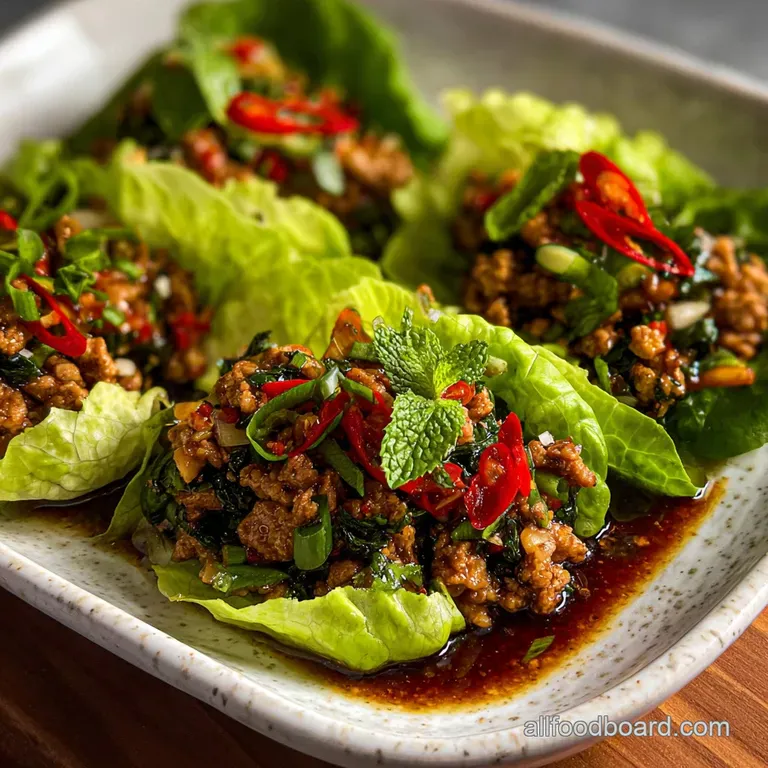
The biggest enemy of a good lettuce wrap is excess moisture. If your filling looks like soup, the lettuce will wilt instantly, and the whole thing becomes a soggy mess. Usually, this happens because the pan wasn't hot enough or the mushrooms released too much liquid and it couldn't evaporate fast enough.
Filling Becomes Watery
If you see liquid pooling in the bottom of your pan, don't panic. Push the meat to the edges of the pan, leaving a hole in the center. Let the liquid bubble away in that center spot for a minute or two. The high heat will reduce it into a syrup.
If it's still too thin, a tiny slurry of 1/2 tsp cornstarch and 1 tsp water stirred in at the end will tighten everything up beautifully.
| Problem | Root Cause | Solution |
|---|---|---|
| Chicken is rubbery | Overcooking or low heat | Use high heat for a fast sear and remove from heat the moment it's cooked through. |
| Filling is too salty | Too much soy sauce | Add a teaspoon of sugar or a squeeze of lime juice to balance the sodium. |
| Lettuce is limp | Warm lettuce or wet leaves | Chill the lettuce in ice water for 10 minutes and dry thoroughly before serving. |
Lettuce Leaves Tearing
If your lettuce is constantly ripping, it's likely too dry or you're overfilling the cups. Always double up on the leaves if they seem thin. This creates a sturdier base and adds more crunch.
If the butter lettuce at the store looks sad, don't be afraid to switch to cabbage leaves; they are much more durable, though they have a more aggressive flavor.
Common Mistakes Checklist - ✓ Pat the chicken dry with a paper towel before it hits the pan to ensure a proper sear. - ✓ Mince the mushrooms and chestnuts into tiny, uniform bits so they integrate with the meat.
- ✓ Avoid using "extra lean" chicken breast; a little fat (90/10) keeps the filling velvety. - ✓ Never add the sesame oil at the beginning of the cook; it will turn bitter. - ✓ Ensure the lettuce is bone dry; water on the leaves prevents the sauce from sticking.
Scaling for a Crowd
When you're making this for a party, you can't just double everything and hope for the best. Crowding the pan is the number one reason home stir fry fails. If you need to feed eight people instead of four, follow these rules to maintain the quality.
- For 2x the recipe: Use two separate skillets or cook the chicken in two batches. If you put 2 lbs of chicken in one pan, the temperature will drop, the meat will release its juices, and you'll end up boiling it.
- Adjusting Spices: When doubling, increase the salt and sriracha to only 1.5x the original amount, then taste. Spices can become overwhelming when scaled linearly.
- Liquids: Reduce the total liquid by about 10% when doubling, as there is less surface area for evaporation relative to the volume of the food.
For a different take on these flavors that scales even easier for meal prep, you might want to try this Asian Lettuce Wraps recipe. It’s designed for high efficiency and holds up incredibly well in the fridge.
Fusion Swaps and Bold Tweaks
While the restaurant version is the gold standard, there’s plenty of room to play around. I often find that adding a handful of chopped peanuts or toasted cashews at the end adds a fatty, savory crunch that really rounds out the dish.
| Original Ingredient | Substitute | Why It Works |
|---|---|---|
| Ground Chicken | Crumbled Tempeh | Adds a nutty, fermented depth that mimics meat texture perfectly. |
| Rice Wine Vinegar | Lime Juice | Adds a brighter, more tropical acidity that feels fresh and zingy. |
| Hoisin Sauce | Peanut Butter + Soy | Creates a "Satay" style wrap that is rich, creamy, and nostalgic. |
Two Unique Flavor Twists
If you want to take this in a completely different direction, try the "Larb" style. This involves adding plenty of fresh mint, cilantro, and a heavy squeeze of lime juice at the end. It transforms the dish from a heavy, glazed savory meal into something incredibly light and aromatic. You can find more on that technique in my LarbStyle Thai Chicken recipe. It's a fantastic way to use the same basic lettuce wrap concept but with a Southeast Asian street food soul.
Two Dietary Swaps
For those looking to keep things low carb or vegetarian, this recipe is surprisingly flexible. You can swap the hoisin for a mix of coconut aminos and a pinch of monk fruit sweetener to keep the sugar low.
For a vegetarian version, diced extra firm tofu or "meatless crumbles" work brilliantly, though you'll need to add an extra tablespoon of oil since they lack the natural fats of chicken.
Myths About Restaurant Stir Fry
Many people think you need a massive, jet engine burner to get restaurant results. That’s just not true. While a high BTU burner helps, a heavy cast iron skillet on a standard home stove can reach the necessary temperatures for the Maillard reaction.
It’s more about patience and letting the pan get hot before you start.
Another myth is that you need to marinate the ground meat. In this specific recipe, the sauce is so bold and the pieces are so small that a marinade is actually counterproductive. It adds too much moisture to the meat, which prevents it from browning. The flavor is built in the pan, not in a bowl beforehand.
Finally, don't believe that "low-fat" is always better here. Using 99% lean chicken breast will result in a dry, crumbly filling that feels like sand in your mouth. You need that little bit of fat to emulsify with the hoisin and soy sauce to create that velvety, lip smacking texture we all love.
Storage and Zero Waste Methods
The filling for these lettuce wraps is actually better the next day because the flavors have time to mingle. If you have leftovers, store the chicken mixture in an airtight container in the fridge for up to 3 days.
When reheating, do it in a pan over high heat with a splash of water to loosen the sauce; the microwave tends to make the chicken rubbery.
Freezer Guidelines You can freeze the cooked filling for up to 2 months. Thaw it overnight in the fridge before reheating. Don't try to freeze the lettuce, obviously; just buy a fresh head when you're ready to eat.
- - Mushroom Stems
- Don't toss them! Chop them finely and sauté them with the onions. They have even more flavor than the caps.
- - Leftover Lettuce
- If you have extra leaves, shred them and use them as a base for a cold noodle salad the next day.
- - Onion Scraps
- Save the ends and skins in a freezer bag for making homemade vegetable stock later.
Visual Flourish for Final Plating
Presentation is half the battle when you're serving something as interactive as this. I like to serve the filling in a large, heated ceramic bowl with the cold lettuce leaves arranged in a fan on a separate chilled platter. It creates a beautiful contrast between the steaming meat and the vibrant green leaves.
Add a small bowl of extra sriracha or some chili crunch on the side for those who want more heat. A final sprinkle of toasted sesame seeds or some very thinly sliced red chilies adds a pop of color that makes the dish look professional.
The goal is to make it look dynamic and fresh, like it just came off a street stall in a bustling night market.
When you're assembling, don't overthink it. A spoonful of filling, a sprinkle of green onions, and a quick wrap. It’s supposed to be a little messy. That’s part of the charm. Now, get that pan screaming hot and enjoy the best version of this classic you've ever had.

Recipe FAQs
What does PF Chang's put on their lettuce wraps?
Savory seasoned ground chicken and vegetables. The filling typically includes ground chicken, mushrooms, water chestnuts, onions, garlic, and ginger, all tossed in a flavorful hoisin based sauce.
What are the crunchy things in PF Chang's lettuce wraps?
Minced water chestnuts. These provide a signature crisp texture that holds up even when mixed with the warm filling.
What kind of meat is in PF Chang's lettuce wraps?
Typically ground chicken. This allows the meat to absorb the glaze well and provides a lighter base for the bold flavors.
Why are PF Chang's lettuce wraps so high in carbs?
Primarily from the hoisin sauce and any accompanying rice. Hoisin sauce contains sugar, and if served with rice, that also adds to the carbohydrate count. The filling itself is relatively low in carbs.
Can I use chicken breast instead of ground chicken?
Yes, you can, but chop it very finely. Finely dicing chicken breast to mimic the texture of ground meat is key to achieving a similar mouthfeel and ensuring it cooks quickly in the wok.
What kind of lettuce is best for lettuce wraps?
Butter lettuce or bibb lettuce is ideal. These leaves are naturally cup-shaped, pliable, and tender, making them perfect edible vessels for the filling. If you enjoyed mastering texture control in the filling, apply that same precision to selecting your lettuce.
How can I make the filling spicier?
Add more sriracha or chili garlic sauce. A little goes a long way, so start with an extra teaspoon and adjust to your heat preference. If you're looking for a different spicy flavor profile, consider trying our Basil Avocado Shrimp Salad Wraps for a fresh, zesty kick.
P F Changs Lettuce Wraps
Ingredients:
Instructions:
Nutrition Facts:
| Calories | 349 kcal |
|---|---|
| Protein | 22.6g |
| Fat | 18.2g |
| Carbs | 21.4g |
| Fiber | 3.1g |
| Sugar | 10.8g |
| Sodium | 715mg |
