Gingerbread Cake Recipe with Molasses and Spices
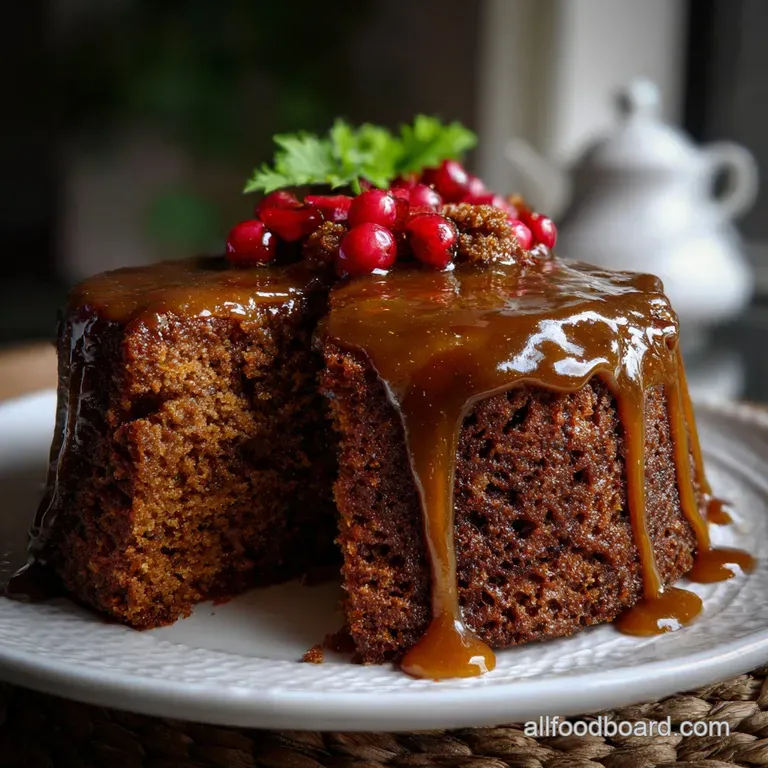
- Effort/Time: 50 minutes total (15 prep / 35 bake)
- Flavor Hook: Sharp ginger heat balanced by bittersweet molasses
- Perfect for: Cold-weather gatherings or a make-ahead festive dessert
- Decoding the Physics of This Gingerbread Cake Recipe from Scratch with Molasses and Warm Spices
- Strategic Timing and Performance Metrics
- The Material Science of Your Building Blocks
- Essential Hardware for Thermal Consistency
- Mastering the 50 Minute Baking Protocol
- Solving Texture and Rise Anomalies
- Modifying the Blueprint for Dietary Needs
- ⚗️ The Scaling Lab: The Geometry of Expansion
- Debunking Kitchen Folklore
- Zero-Waste Storage and Longevity Strategies
- Presentation and Pairing Guide for Optimal Flavor
- Deciphering Common Gingerbread Preparation Queries
- Recipe FAQs
- 📝 Recipe Card
Have you ever wondered why some holiday cakes feel like dry sponges while others possess a sticky, velvety density that lingers on the palate? The secret rarely lies in the brand of flour but in the volatile relationship between acidity and heat.
Today, you'll discover a delightful Gingerbread Cake Recipe from Scratch with Molasses and Warm Spices.
We often associate this aroma with grandmother's kitchen, but the physics of a perfect rise is pure laboratory science. Achieving that specific mahogany color requires a precise pH balance that only unsulfured molasses can provide.
I remember my first attempt resulted in a sunken, bitter mess because I swapped the sugar types trust me, the chemistry of this batter is unforgiving but incredibly rewarding when mastered.
This isn't your standard box-mix texture. We are aiming for a structured yet moist crumb that shatters slightly on the edges while remaining tender in the center. By understanding how boiling water interacts with raw ginger and cinnamon, we unlock a depth of flavor that pre-ground spice blends simply cannot replicate.
Let's crack on with the specifics of this Gingerbread Cake Recipe.
Decoding the Physics of This Gingerbread Cake Recipe from Scratch with Molasses and Warm Spices
- Acid Base Leavening: The high acidity in 340g of Wholesome Sweeteners Molasses reacts instantly with 7g of Arm & Hammer Baking Soda, creating a massive CO2 release for a lightweight rise.
- Starch Gelatinization: Adding 240ml of boiling water to the flour mixture partially gelatinizes the starches, which traps moisture and ensures the cake remains soft for days.
- Spice Blooming: Heat from the boiling water "blooms" the 8g of ground ginger and 4g of cinnamon, releasing essential oils that would otherwise remain trapped in the dry powder.
- Hygroscopic Retention: Molasses is naturally hygroscopic, meaning it pulls moisture from the air into the cake, preventing the "stale bread" texture common in other holiday cake recipes.
Strategic Timing and Performance Metrics
| Feature | Rapid Shortcut Method | This Classic Gingerbread Recipe |
|---|---|---|
| Texture | Spongy and airy | Dense, velvety, and moist |
| Flavor Profile | Sweet and mild | Complex, peppery, and robust |
| Longevity | Dries out in 24 hours | Improves in flavor over 3 days |
The Material Science of Your Building Blocks
| Ingredient | Chemical/Physical Role (Science) | The Pro Secret (Why This Matters) |
|---|---|---|
| 315g King Arthur AP Flour | Provides the gluten scaffold for structural integrity | Why this? Lower protein than bread flour ensures a tender, non-chewy crumb. |
| 340g Unsulfured Molasses | Acts as the primary acid for the baking soda reaction | Why this? Provides the signature mahogany color and deep mineral flavor. |
| 113g Unsalted Butter | Limits gluten formation by coating flour proteins | Why this? Melting it first ensures even distribution without over aerating the batter. |
| 240ml Boiling Water | Hydrates flour and melts sugars instantly | Why this? Controls the viscosity of the batter for a perfectly level bake. |
Essential Hardware for Thermal Consistency
To achieve the best results with this Gingerbread Recipe, equipment selection is as vital as the ingredients themselves. A heavy duty USA Pan 9x9 Non-stick Square Cake Pan is the gold standard here; its corrugated surface allows for better airflow beneath the batter.
You will also need a Pyrex 2 cup Glass Measuring Cup to safely handle the boiling water.
Avoid using thin, dark colored pans which absorb heat too rapidly and can scorch the high sugar content of the molasses before the center sets. A simple KitchenAid Stainless Steel Whisk is preferred over an electric mixer for the final stages to prevent over developing the gluten network, which would make the cake tough rather than tender.
Mastering the 50 Minute Baking Protocol
- Preheat oven to 350°F (175°C). Note: Critical for immediate leavening activation.
- Grease a 9x9-inch pan with butter and a light dusting of flour. Note: Prevents the sticky molasses from adhering to the corners.
- Whisk 315g flour, 7g baking soda, 8g ginger, 4g cinnamon, 1g cloves, and 3g salt in a large bowl. Note: Distributes leavening agents evenly to avoid "soapy" pockets.
- Melt 113g unsalted butter in a separate bowl and whisk in 150g brown sugar until it looks like wet sand. Note: Brown sugar adds moisture via molasses content.
- Incorporate 340g molasses and 1 room temperature egg into the butter mixture. Note: Room temp eggs emulsify better than cold ones.
- Merge the dry aromatics into the wet ingredients slowly until no white streaks remain. Note: Over mixing at this stage triggers gluten toughness.
- Pour 240ml boiling water over the thick batter and whisk gently until the mixture is thin and smooth. Note: This "blooms" the warm spices instantly.
- Transfer batter to the prepared pan immediately. Note: The baking soda reaction starts the moment the water hits the molasses.
- Bake for 35 minutes until the center springs back and a nutty aroma fills the air. Note: Internal temp should reach 200°F.
- Cool in the pan for 15 minutes until edges slightly pull away from the sides. Note: Allows the delicate crumb to set firmly.
Solving Texture and Rise Anomalies
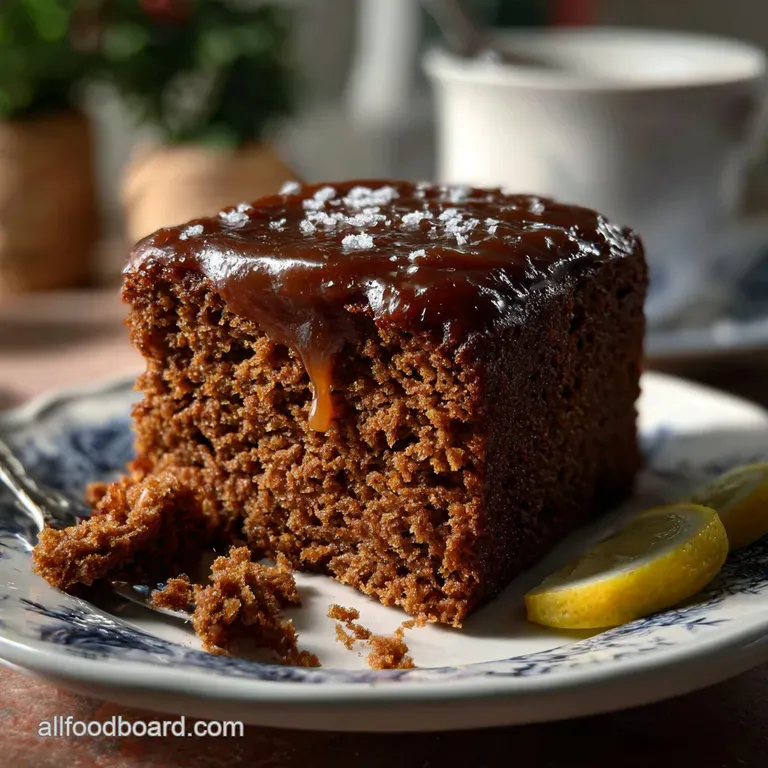
Why Your Gingerbread Sinks in the Middle
If the center of your cake collapses, it is usually due to a premature release of CO2 or a sudden temperature drop. Opening the oven door too early allows cold air to enter before the gluten structure has "set" (denatured).
On top of that,, if your baking soda is expired, it won't produce enough lift to support the heavy weight of the molasses and flour.
| Problem | Root Cause | The Fix | Pro Protocol |
|---|---|---|---|
| Gummy Bottom | Boiling water was too cool | Use a rolling boil (212°F) | Temper the egg before adding hot liquid |
| Dry Crumb | Over baked or too much flour | Weigh flour in grams (315g) | Pull at 33 mins if using a convection oven |
| Bitter Aftertaste | Using Blackstrap Molasses | Stick to "Unsulfured" varieties | Balance with a pinch of extra salt if needed |
Modifying the Blueprint for Dietary Needs
Adapting this Gingerbread Cake Recipe from Scratch with Molasses and Warm Spices requires an understanding of fat and protein replacement. If you are looking for a savory contrast, this cake pairs surprisingly well with a drizzle of the sauce found in this Homemade BBQ Sauce recipe, which shares a molasses base.
- gluten-free Version: Swap the 315g AP flour for a high-quality 1:1 gluten-free blend (like Bob's Red Mill). Note: Increase the resting time by 10 minutes before baking to allow the rice flours to hydrate.
- Vegan Option: Replace the egg with 1/4 cup of unsweetened applesauce and use a vegan butter stick. Note: The cake will be slightly denser but remain incredibly moist.
- dairy-free: Use 113g of melted coconut oil in place of butter. This adds a subtle tropical note that complements the ginger.
⚗️ The Scaling Lab: The Geometry of Expansion
When doubling this Gingerbread Cake Recipe, you must account for the Square Cube Law. A double batch in a larger pan has significantly more volume than surface area, meaning the center will take much longer to reach the necessary 200°F than a single batch.
- The Evaporation Paradox: If you double the recipe but use a single large pot to boil the water, you may lose too much moisture to steam. Reduce boiling water by 10% when doubling to maintain the correct batter viscosity.
- Thermal Mass: A double batch of cold batter will drop your oven temperature more significantly than a single pan. Preheat your oven 25°F higher than the target, then drop it back to 350°F the moment the pans go in.
- Pan Crowding: Do not bake two 9x9 pans on the same rack. This creates a "heat shadow" where air cannot circulate, leading to uneven browning. Rotate the pans halfway through the 35 minute timer.
Debunking Kitchen Folklore
- Myth: You must use fresh ginger for the best flavor. Truth: Ground ginger actually provides a more consistent, concentrated "heat" in baked goods; fresh ginger contains enzymes that can break down the cake's structure.
- Myth: "Blackstrap" molasses is just a darker version of regular molasses. Truth: Blackstrap is the result of a third boiling; it is incredibly bitter, low in sugar, and will ruin the flavor balance of this Easy Gingerbread Recipe.
Zero Waste Storage and Longevity Strategies
Fridge: This cake thrives at room temperature for 3 days if wrapped tightly in plastic. If refrigerated, it lasts 7 days, but the cold can dull the perception of the Warm Spices.
Freeze: Wrap individual slices in parchment paper, then foil, and store in a freezer bag for up to 3 months. Thaw at room temperature for 1 hour for a "just baked" texture.
Zero Waste Philosophy: Don't discard the slightly burnt edges if you over bake. Transform: Pulse them in a food processor into fine crumbs. Science: These crumbs are essentially concentrated gingerbread spice and can be used as a "soil" for chocolate mousse or as a crust for a cheesecake.
If the cake goes stale, use it in a bread pudding; the high molasses content acts as a natural sweetener for the custard.
Presentation and Pairing Guide for Optimal Flavor
This Gingerbread Cake Recipe from Scratch with Molasses and Warm Spices is a standout on any holiday table, but the serving temperature is critical. Serve it slightly warm to maximize the aromatic impact of the 1g of ground cloves and cinnamon.
A dollop of unsweetened whipped cream provides the necessary fat to coat the tongue, which helps bridge the gap between the sharp ginger and the bitter molasses.
For a true "comfort food" evening, I often serve this alongside a hearty main dish like this Homemade Mac and recipe. The saltiness of the cheese provides a brilliant foil to the spiced sweetness of the gingerbread. If you're hosting a large crowd, consider Holiday Cake Recipes as a versatile dessert category that can be prepared 24 hours in advance, as the flavors of this specific cake actually deepen and mellow with a day of rest.
Deciphering Common Gingerbread Preparation Queries
Can I bake this in a Bundt pan?
Yes, but you must increase the bake time to 45 50 minutes. Because a Bundt pan has more surface area contact with the metal, the exterior will become quite dark ensure you grease every crevice with melted butter and flour to prevent sticking.
What if I don't have ground ginger?
If you are out of ginger, you can use a combination of extra cinnamon and a pinch of black pepper or cardamom. While it won't be a traditional Gingerbread Recipe, the black pepper provides a similar back-of-the-throat heat that mimics the ginger's bite.
How do I know when it’s done without a thermometer?
The "Sizzle Test" is your best friend. Listen closely to the cake; if it is still "hissing" loudly, there is too much internal moisture. Once the sound subsides to a faint crackle and the center feels like a firm sponge when pressed, it is ready to be pulled.
Will this Gingerbread Cake Recipe work with honey?
Honey is less acidic than molasses and significantly sweeter. If you swap them, you must add 1 teaspoon of lemon juice to provide the acid needed for the 7g of baking soda to react, or the cake will be flat and overly sweet. Stick to Molasses Gingerbread Cake for the most authentic, structural success.

Recipe FAQs
Can I substitute honey for molasses?
No, honey significantly changes the chemical structure. Honey is less acidic than molasses, requiring added acid (like lemon juice) to properly activate the baking soda. Without that acid, the cake will not rise effectively, yielding a dense, sweet brick.
What is the ideal cooling time before frosting?
Cool for 15 minutes in the pan only. Cooling in the pan allows the delicate, moist crumb to set firmly before inverting it onto the rack. Rushing removal will cause the structure to collapse under its own weight.
Why did my cake sink in the middle?
Oven temperature inconsistency or premature door opening caused structural failure. The rapid influx of cool air before the gluten is fully set prevents the CO2 bubbles from stabilizing the cake matrix, leading to collapse.
- Ensure oven thermometer accuracy
- Do not check oven until 30 minutes
- Use room temperature eggs for better emulsification
Is this cake better made ahead of time?
Yes, the flavor deepens overnight for better results. The hygroscopic molasses continues to draw moisture into the starches as it rests, intensifying the flavor profile and improving the velvet texture.
If you mastered the delicate flavor balancing here, you can use the same principles when balancing sauce acidity, like in our Lemon Cream Sauce: Restaurant Style Velvet Zest Recipe.
Can I use an electric mixer for the final stir?
Use a whisk to avoid over developing gluten structure. Electric mixers incorporate air too aggressively, which toughens the cake when combined with the high moisture molasses batter. Gentle folding prevents excessive gluten strands from forming, resulting in a more tender crumb.
Myth: I can substitute baking powder for baking soda.
Myth: You can substitute baking powder for baking soda. Reality: Baking soda requires an acid (molasses) to activate; baking powder is already balanced. Swapping results in insufficient lift because the primary acid source is ignored.
What is the difference between cake flour and AP flour here?
All-Purpose flour is preferred for the necessary gluten structure. Cake flour has lower protein content, leading to a very fragile crumb that struggles to support the weight of the heavy molasses. Using AP flour provides the structural integrity needed for a tall, non-sinking cake.
Molasses Gingerbread Cake From Scratch
Ingredients:
Instructions:
Nutrition Facts:
| Calories | 301 kcal |
|---|---|
| Protein | 3.3 g |
| Fat | 8.3 g |
| Carbs | 53.4 g |
| Fiber | 0.9 g |
| Sugar | 31.8 g |
| Sodium | 256 mg |
