Italian Dressing
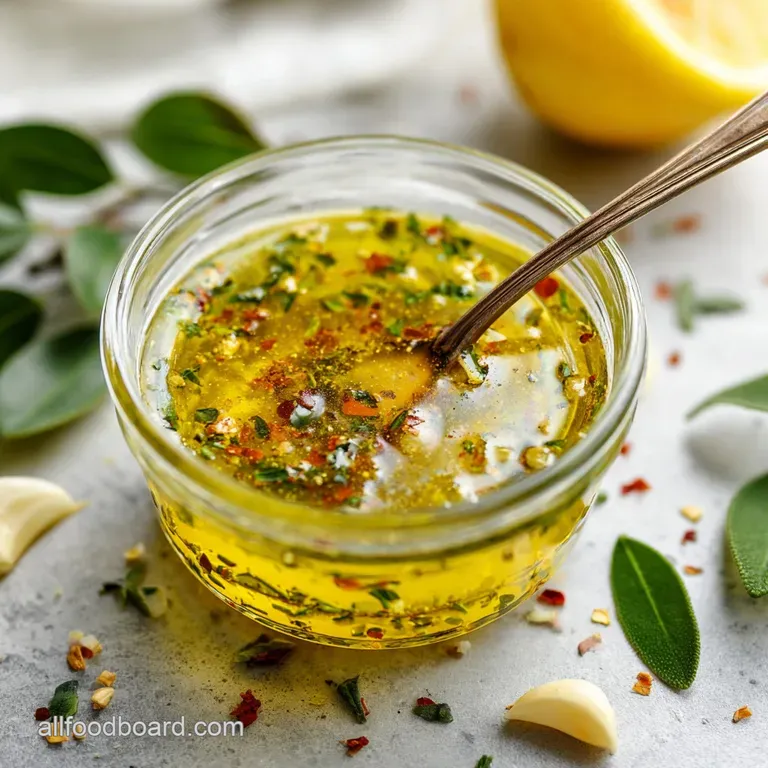
- Time: Active 10 minutes, Passive 0 minutes, Total 10 minutes
- Flavor/Texture Hook: Zesty, herbaceous, and silky
- Perfect for: Weeknight salads, quick marinades, or hosting a big family dinner
- Creating a Vibrant and Zesty Italian Dressing
- Understanding the Balance of Acid and Oil
- Essential Timing and Flavor Profiles for Success
- Selecting Quality Components for a Punchy Vinaigrette
- Simple Tools Required for a Silky Emulsion
- Step by Step Method for Mixing Your Dressing
- Resolving Common Texture and Flavor Balance Issues
- Modifying Ingredients for Specific Dietary Preferences
- Proper Storage Methods to Maintain Maximum Freshness
- Best Meal Pairings for This Herbaceous Vinaigrette
- Italian Dressing FAQs
- 📝 Recipe Card
Creating a Vibrant and Zesty Italian Dressing
You know that sharp, vinegary aroma that hits you the moment you open a fresh jar of herbs? That’s exactly where we’re starting today. For a long time, I just grabbed whatever bottle was on sale at the store, thinking "it's just salad dressing, how much better can it get?" Then I made it from scratch, and I honestly felt a bit silly for waiting so long.
The difference is like switching from black and white TV to full color; the flavors are brighter, the texture is silkier, and you don’t get that weird chemical aftertaste.
The magic of a great Italian Dressing lies in the balance. We’ve all had those dressings that are so oily they leave a film on your tongue, or so sour they make your eyes water. We're going to fix that.
I’ve spent months tweaking the ratio of red wine vinegar to lemon juice to find that sweet spot where the acidity cuts through the richness of the olive oil without overwhelming the delicate dried basil and oregano.
We are making a version that uses real, grated garlic and a touch of honey to tie everything together. It’s a versatile little powerhouse that works just as well on a crisp romaine salad as it does drizzled over grilled chicken.
Once you see how easy it is to emulsify this into a stable, creamy textured vinaigrette, you’ll never look back at the bottled stuff. Let's get into the details of how to make this work every single time.
Understanding the Balance of Acid and Oil
The secret to a dressing that doesn't just slide off your lettuce lies in the chemistry of the ingredients. When we combine oil and vinegar, they naturally want to stay apart. By using specific "connectors" like Dijon mustard and honey, we create a bridge that keeps the fat and the acid happily married.
This results in a velvety consistency that coats your vegetables perfectly.
- Emulsification Stability: Dijon mustard contains mucilage, a natural thickener that wraps around oil droplets to prevent them from recombining.
- Acid Softening: Grating fresh garlic directly into the vinegar allows the acid to "cook" the garlic, removing its harsh raw bite while keeping the flavor.
- Herb Hydration: The salt in the recipe draws moisture out of the dried herbs, blooming their oils and making them taste as if they were picked this morning.
| Method | Time | Texture | Best For |
|---|---|---|---|
| Whisking | 5 minutes | Light and airy | Immediate serving |
| Jar Shaking | 2 minutes | Thick and creamy | Meal prep/Storage |
| Blender | 1 minute | Fully homogenized | Large batches/Marinades |
Choosing your method depends on how you plan to use the dressing. If I'm just making a quick side salad for myself, I'll whisk it in a small bowl. But if I’m prepping for the week, the mason jar method is superior because it allows for a more vigorous agitation, which creates a tighter emulsion.
Essential Timing and Flavor Profiles for Success
Getting the flavor right requires a bit of patience, even though the active work is minimal. While you can eat this immediately, the profile changes significantly if you let it sit for even ten minutes.
This "resting" period allows the dried oregano and basil to soak up the liquid and release their aromatic compounds into the oil.
Component Analysis
| Ingredient | Science Role | Pro Secret |
|---|---|---|
| Extra Virgin Olive Oil | Fat Base | Use a "cold pressed" oil for a peppery finish that stands up to the vinegar. |
| Red Wine Vinegar | Primary Acid | Let the garlic sit in the vinegar for 3 minutes before adding oil to mellow the pungency. |
| Dijon Mustard | Emulsifier | Never skip this; it acts as the "glue" that prevents the dressing from separating. |
| Parmesan Cheese | Umami Booster | Finely grate it on a microplane so it dissolves into the texture rather than staying gritty. |
This dressing isn't just for lettuce; it provides a sharp contrast to rich dishes like a Classic Italian Lasagna Recipe. The acidity helps reset your palate between bites of heavy cheese and pasta. I often find that a simple side salad with this dressing is the only thing that makes a big pasta dinner feel balanced.
Selecting Quality Components for a Punchy Vinaigrette
The beauty of this shopping list is that you probably have most of it in your pantry right now. However, the quality of these few items makes a massive impact. Since we aren't cooking the ingredients, their raw flavors are front and center.
- 3/4 cup extra virgin olive oil: Why this? It provides the fruity, rich base that carries all other flavors.
- 1/4 cup red wine vinegar: Why this? Offers a complex, fruity acidity that is less harsh than white vinegar.
- 2 tbsp fresh lemon juice: Why this? Adds a bright, citrusy top note that lightens the heavier vinegar.
- 2 cloves fresh garlic, grated into a paste: Why this? Paste distributes flavor evenly without leaving spicy chunks.
- 1 tsp dried oregano: Why this? The quintessential "pizza parlor" aroma that defines Italian flavor.
- 1 tsp dried basil: Why this? Adds a subtle sweetness and earthy depth.
- 1/2 tsp dried parsley: Why this? Provides a hint of "green" freshness to the blend.
- 1/2 tsp onion powder: Why this? Adds savory background notes without the texture of raw onions.
- 1/2 tsp red pepper flakes: Why this? A tiny kick of heat that awakens the taste buds.
- 1 tsp sea salt: Why this? Essential for pulling flavor out of the herbs and garlic.
- 1/2 tsp coarse black pepper: Why this? Adds a woody, pungent bite.
- 1 tsp Dijon mustard: Why this? The structural engine that keeps the oil and vinegar combined.
- 1 tsp honey: Why this? Perfectly balances the sharp acids without making it taste "sweet."
- 2 tbsp finely grated Parmesan cheese: Why this? Adds saltiness and a rich, savory umami finish.
| Original Ingredient | Substitute | Why It Works |
|---|---|---|
| Red Wine Vinegar | Apple Cider Vinegar | Similar acidity level, though slightly more "autumnal" and sweet in flavor. |
| Honey | Maple Syrup | Liquid sweetener that blends easily. Note: Adds a distinct maple undertone. |
| Fresh Garlic | Garlic Powder (1/2 tsp) | Convenient, but you lose the sharp "bite" of the fresh clove. |
Simple Tools Required for a Silky Emulsion
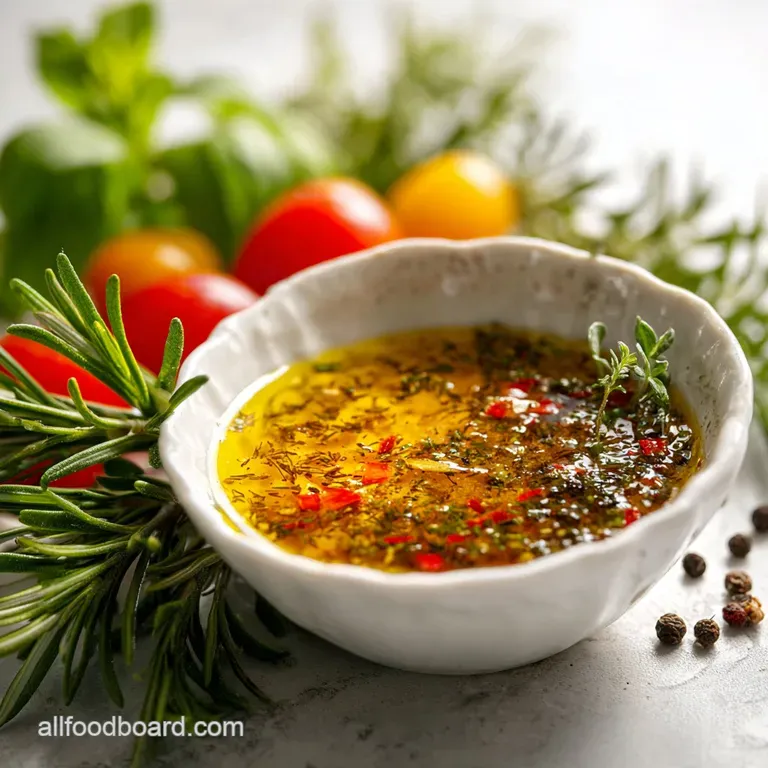
You don't need fancy gadgets to make a world class dressing. In fact, some of the best vinaigrettes are made in a simple glass jar. The key is the amount of force you can apply to the mixture to break the oil into tiny droplets.
Chef's Tip: If you have 10 minutes, freeze your Parmesan wedge before grating. It prevents the cheese from clumping or melting from the heat of your hands, giving you a powdery texture that integrates perfectly into the oil.
If you’re serving this as part of a multi course dinner, it works wonders alongside a Classic Tomato Bruschetta recipe. The tools you'll need are a small bowl and whisk, or a mason jar with a tight fitting lid. If you really want a thick, almost creamy consistency, a small immersion blender works beautifully, but it’s certainly not required for a standard Italian Dressing.
step-by-step Method for Mixing Your Dressing
This process is all about the order of operations. If you just dump everything in at once, you might struggle to get a smooth texture. Follow these steps for the most consistent results.
- Grate the garlic. Use a microplane to turn the two cloves into a fine paste. Note: This ensures you don't bite into a raw garlic chunk.
- Combine acids and aromatics. In your jar or bowl, mix the 1/4 cup red wine vinegar, 2 tbsp lemon juice, garlic paste, 1 tsp honey, and 1 tsp Dijon mustard.
- Hydrate the herbs. Add the 1 tsp oregano, 1 tsp basil, 1/2 tsp parsley, 1/2 tsp onion powder, 1/2 tsp red pepper flakes, 1 tsp salt, and 1/2 tsp pepper to the acid mixture.
- Whisk the base. Stir these ingredients together and let them sit for 2 minutes until the salt dissolves and the herbs look dark and wet.
- Incorporate the cheese. Stir in the 2 tbsp of finely grated Parmesan.
- Slowly add oil. If whisking, pour the 3/4 cup olive oil in a thin, steady stream while whisking constantly. Note: This breaks the oil into micro droplets.
- Shake vigorously. If using a jar, pour all the oil in, seal the lid, and shake for 45 seconds until the mixture looks opaque and thickened.
- Taste and adjust. Dip a leaf of lettuce into the dressing to check the balance. Look for a sharp zing followed by a smooth, salty finish.
- Final Rest. Let the dressing sit at room temperature for 5 minutes before serving to let the flavors marry.
Resolving Common Texture and Flavor Balance Issues
Even with a simple recipe, things can occasionally go sideways. Usually, it's a matter of the oil being too cold or the ratio being slightly off due to the size of your lemons. Don't worry, almost everything can be fixed with a little more agitation or a pinch of salt.
Fixing Immediate Emulsion Separation
If you see big bubbles of oil floating on top of the vinegar, your emulsion has broken. This usually happens if the oil was added too quickly or if there wasn't enough mustard to hold it together. To fix this, add another half teaspoon of Dijon mustard and shake or whisk even more vigorously.
The extra mustard provides more surface area for the oil to cling to.
Managing Solidified Fridge Oil
high-quality extra virgin olive oil contains natural waxes that solidify when cold. If you take your dressing out of the fridge and it looks like a chunky mess, don't panic. This is actually a sign of good oil! Simply set the jar in a bowl of warm water for 5 minutes or leave it on the counter.
Once it thaws, give it a good shake to re incorporate the spices that settled at the bottom.
| Problem | Root Cause | Solution |
|---|---|---|
| Too Sour | High acid ratio | Add a tiny pinch more honey or a tablespoon of oil to mellow it. |
| Bland/Flat | Lack of salt | Increase salt by 1/4 tsp; salt is the "volume knob" for herbs. |
| Gritty Texture | Large cheese/herbs | Use a finer grater for the cheese or crush dried herbs in your palm. |
Common Mistakes Checklist:
- ✓ Avoid using "Light" olive oil; the flavor is too neutral and won't taste authentic.
- ✓ Don't use bottled lemon juice; the preservatives add a metallic tang that ruins the fresh herbs.
- ✓ Ensure the jar lid is truly tight before shaking, or you'll have an herbaceous mess on your walls.
- ✓ Never add the oil before the salt; salt doesn't dissolve well in oil and will leave the dressing crunchy.
- ✓ Use a microplane for the garlic; chopped garlic is too heavy and will just sink to the bottom.
Modifying Ingredients for Specific Dietary Preferences
The great thing about making things from scratch is that you are in total control. If you have friends coming over with specific needs, this recipe is incredibly easy to pivot without losing that classic Italian profile.
For a vegan version, the primary hurdle is the Parmesan cheese. You can easily swap this for nutritional yeast, which provides a similar nutty, savory flavor. Use the same 2 tablespoon measurement. If you need to avoid honey, maple syrup or even a pinch of granulated sugar works perfectly as a replacement.
Creating Creamy Variation Options
If you want that thick, "creamy Italian" style you see at salad bars, you can add 2 tablespoons of mayonnaise or Greek yogurt to the base before adding the oil. This creates a much more opaque and heavy dressing that is fantastic for dipping raw vegetables. For a complete themed night, start with this salad then move to a Rigatoni all'Amatriciana recipe. The creamy dressing provides a nice cool down for the spicy tomato sauce.
Proper Storage Methods to Maintain Maximum Freshness
Because this recipe contains fresh garlic and cheese, you can't just leave it on the counter forever like a bottle of plain vinegar. However, it stays fresh longer than you might think thanks to the natural preservative qualities of the acidity and the oil.
- Storage: Keep in an airtight glass jar in the fridge for up to 10 days.
- Zero Waste: If you have about a tablespoon left in the jar, don't wash it! Add some chicken breasts directly into the jar, shake it up, and let them marinate overnight. The acid in the dressing tenderizes the meat perfectly. You can also toss roasted potatoes in the leftover dregs for an incredible flavor boost.
I don't recommend freezing this dressing. The texture of the cheese and the emulsion doesn't survive the thaw out process very well, often becoming watery and separated. Since it only takes 10 minutes to whip up a fresh batch, it's always better to make it as needed or just once a week for your meal prep.
Best Meal Pairings for This Herbaceous Vinaigrette
This is the ultimate "utility player" in your kitchen. While it’s born for salads, its high acid and herb content make it an incredible marinade for proteins. The lemon and vinegar break down tough fibers in meat while the oil keeps everything moist during cooking.
- For a Classic Antipasto
- Toss this with chopped romaine, salami, provolone, chickpeas, and black olives.
- For a Quick Pasta Salad
- Pour over rotini pasta with cherry tomatoes and cucumber while the pasta is still slightly warm so it absorbs the flavor.
- For the Best Chicken
- Use it as a 30 minute marinade for skinless thighs before hitting the grill.
The red pepper flakes in the dressing provide a very subtle heat that complements spicy Italian dishes. If you're a fan of those traditional Roman flavors, try serving a simple green salad with this dressing alongside an Authentic Carbonara Recipe. The "zesty" nature of the Italian Dressing cuts right through the creamy, egg based sauce of the pasta, making for a much more balanced meal. Trust me, once you start making your own, the bottled stuff will taste like a distant, slightly plastic flavored memory. Happy mixing!

Italian Dressing FAQs
What is Italian dressing made of?
It's a vinaigrette. Traditionally, it's an emulsion of oil (like olive oil), vinegar (often red wine vinegar), and seasonings like garlic, herbs (oregano, basil, parsley), salt, and pepper. Some recipes also include cheese like Parmesan or emulsifiers like Dijon mustard.
Is Italian dressing healthier than French dressing?
Generally, yes. Italian dressing is typically lower in sugar and calories than French dressing, which often contains added sugar or ketchup. However, preparation methods can vary, so checking nutrition labels is always best.
What's the best tasting Italian dressing?
Homemade is usually best. A fresh, homemade Italian dressing offers vibrant flavors unmatched by most bottled versions. The key is balancing quality olive oil, good red wine vinegar, and fresh aromatics like garlic, and herbs. You can tailor it to your exact taste.
What oil is good for Italian dressing?
Extra virgin olive oil is ideal. Its fruity and peppery notes stand up well to the acidity of the vinegar and add a robust flavor profile. A good quality "cold pressed" oil will yield the best results.
Can I use Italian dressing as a marinade?
Absolutely. The acidity from the vinegar and lemon juice helps tenderize meats, while the oil keeps them moist. It's fantastic for chicken, pork, or even firm vegetables. You can toss roasted potatoes in any leftover dressing for an instant flavor boost.
How do I make Italian dressing less oily?
Add an emulsifier. A small amount of Dijon mustard or even honey acts as an emulsifier, helping to bind the oil and vinegar together. Vigorous whisking or shaking also creates a more stable emulsion.
What's the difference between Italian dressing and vinaigrette?
Italian dressing is a type of vinaigrette. A vinaigrette is a basic dressing made of oil and vinegar, typically in a 3:1 ratio. Italian dressing is a specific flavored vinaigrette that includes characteristic Italian seasonings like oregano and basil, often with garlic and sometimes cheese.
Italian Dressing
Ingredients:
Instructions:
Nutrition Facts:
| Calories | 127 kcal |
|---|---|
| Protein | 0.4 g |
| Fat | 13.8 g |
| Carbs | 0.9 g |
| Fiber | 0.1 g |
| Sugar | 0.5 g |
| Sodium | 213 mg |
