How to Cook King Crab Legs: the Easiest 15 Minute Recipe
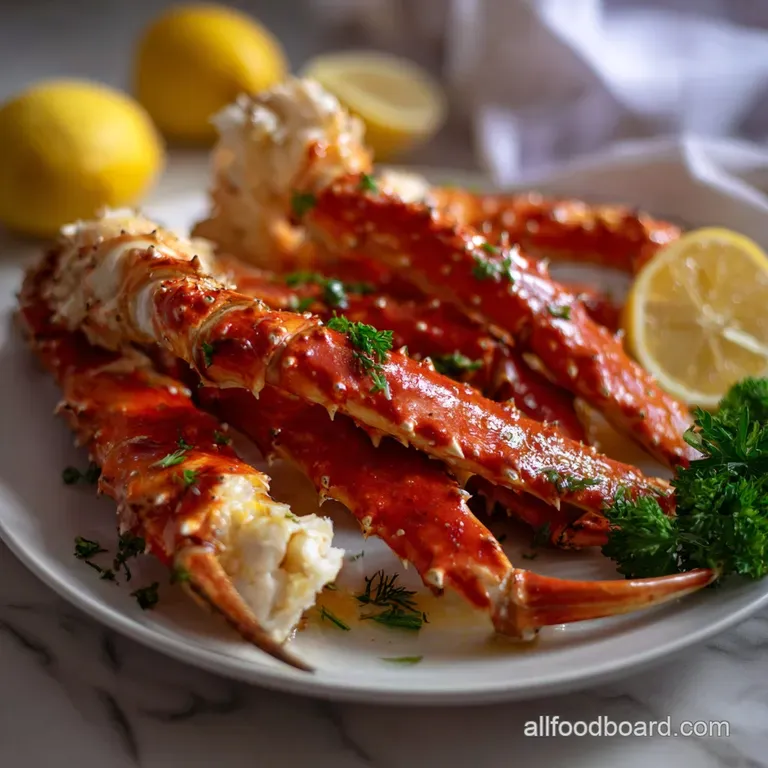
- How to Cook King Crab Legs: The Easiest 15 Minute Recipe That Tastes Like a Million Bucks
- The Science of Succulence: Why Steaming Delivers the Best Flavor
- Ingredients for Perfect King Crab Legs and Simple Substitutions
- Step-by-Step Guide: How to Cook King Crab Legs Perfectly
- Troubleshooting & Tips for Mastering King Crab Preparation
- Storage, Freezing, and Reheating Cooked King Crab
- Elegant Serving Suggestions for a Five-Star Experience
- Nutrition Information
- Recipe FAQs
- 📝 Recipe Card
How to Cook King Crab Legs: The Easiest 15 Minute Recipe That Tastes Like a Million Bucks
Okay, friend, let’s talk King Crab. This isn't just dinner; it's an event. But the price tag? That is seriously intimidating. If you've ever worried about spending a small fortune just to end up with dry, tough meat, I promise you, I’ve been there.
My first attempt at how to cook King Crab Legs involved aggressively boiling them, and the result was flavorless tragedy.
But guess what? Mastering how to cook King Crab Legs is ridiculously simple as long as you know the one crucial scientific truth about the product you’re buying. Forget elaborate preparations.
We are going to nail this in under 25 minutes, delivering sweet, tender, melt-in-your mouth crab every single time. Seriously, the hardest part of this King Crab Legs recipe is waiting for the butter to melt.
The Science of Succulence: Why Steaming Delivers the Best Flavor
I’m going to save you a trip to Rubber Meat Town right now.
The single most important thing to know is that nearly all King Crab Legs sold commercially whether fresh or frozen are already fully cooked and flash frozen on the boat. You are not cooking the crab; you are reheating it.
Why Steaming is the Winner (The 'Why')
When you boil or bake crab aggressively, you force the protein strands in the meat to tighten rapidly. Because the crab is already cooked, this second round of high heat pulls out all the moisture, leaving you with that dreaded rubbery texture and washing away the natural salty sweet flavor.
Steaming, however, is a gentler, indirect heat method. The moist environment helps hydrate the outer shell while the heat slowly penetrates the thick shell wall. This gentle warming brings the internal temperature up to the serving sweet spot (around 130°F to 140°F) without evaporating those critical internal juices.
This is the absolute best way to cook King Crab Legs .
Recipe Overview (Quick Glance)
| Metric | Detail |
|---|---|
| Prep Time | 5 minutes |
| Cook Time | 10– 15 minutes |
| Total Time | 25 minutes |
| Yield | 4 Servings |
| Category | Main Course |
| Diet | gluten-free |
Ingredients for Perfect King Crab Legs and Simple Substitutions
We are keeping this clean so the natural sweetness of the crab can shine. For this recipe, we assume about 1 pound of King Crab Legs per person for a generous main course.
| Ingredient | Quantity | Note on Quality |
|---|---|---|
| King Crab Legs (thawed) | 4 lbs | Look for bright red shells and minimal ice crystals if frozen. |
| Water (or beer/wine) | 1 2 inches | Needed for steaming; avoid overfilling the pot. |
| Salt | 1 Tbsp | Optional, but adds a subtle briny boost to the steam. |
| Unsalted Butter | 1 stick (8 Tbsp) | Use the best quality you can find for dipping. |
| Garlic (minced) | 2 cloves | For a quick, flavorful compound butter. |
| Lemon Wedges | 4 large | Non-negotiable acid balance. |
Ingredient Switch Ups (Don’t tell the purists, but these work)
| Original Ingredient | Best Switch | Scientific Function |
|---|---|---|
| Unsalted Butter | Ghee (Clarified Butter) | Removes milk solids and water, resulting in a cleaner, higher fat liquid for dipping. Flavor profile is purer. |
| Lemon Wedges | White Vinegar (1 tsp per serving) | Provides the necessary acidity to cut through the richness. Honest Trade Off: Lacks the floral aroma of fresh lemon zest. |
| Water for Steaming | Dry White Wine (e.g., Pinot Grigio) | The alcohol and acidity infuse subtle complexity and fragrance into the steam. Note: Adds mild fruity/oaky notes. |
step-by-step Guide: How to Cook King Crab Legs Perfectly

This method focuses on steaming the quickest and most guaranteed way to cook King Crab Legs without ruin.
Step 1: Prep and Thawing (The Critical First Step)
If your King Crab Legs are frozen, they must be fully thawed first. Thaw overnight in the refrigerator (about 8– 10 hours per pound). If you forgot (we all do!), place the sealed legs in a sink of cold water for about 30– 60 minutes, changing the water every 15 minutes.
Quick Tip: If you try to cook King Crab Legs from frozen, the outside will dry out before the center warms up.
Step 2: Set Up the Steamer
In a large pot with a tight fitting lid, add 1 to 2 inches of water (or wine/beer substitute). Ensure the water line is well below your steamer basket. Add salt if using. Bring the water to a rapid, rolling boil over high heat.
Step 3: Steam the Crab
Place the crab legs in the steamer basket. If your legs are super long, you may need to break them at the joints to fit, or arrange them standing up. Cover the pot tightly.
- Reduce the heat slightly to maintain a strong simmer, but don't let the liquid boil over the crab.
- Steam the crab for 5 to 8 minutes .
- You are done when the legs smell intensely sweet and fragrant, and steam is actively rising from the shell when you lift the lid. A quick test: if the shell feels hot to the touch (use tongs!), they are ready.
If you’re craving a rich main dish but don't have 25 minutes, you might love my Slow Cooker Beef Gyros: Tender and Flavorful Greek Dinner . But if you've got the time, stick with this amazing King Crab Legs Recipe !
Step 4: Make the Dipping Sauce
While the crab is steaming (around the 5 minute mark), quickly melt the butter in a small saucepan over low heat. Once melted, add the minced garlic and cook for about 1 minute until fragrant don't let the garlic brown or burn! Remove from heat.
Step 5: Serve Immediately
Carefully remove the steaming basket (use oven mitts!) and transfer the crab legs to a large platter. Provide small bowls of the melted garlic butter and plenty of lemon wedges. Serve while the meat is still piping hot.
Troubleshooting & Tips for Mastering King Crab Preparation
The secret to perfectly cooked crab is avoiding the drying effect. Here are the most common pitfalls when learning how to cook King Crab Legs in the oven or on the stovetop, and how to fix them immediately.
| The Problem | Why It Happened (Root Cause) | The Fix (Solution) |
|---|---|---|
| Tough, Rubbery Meat | Overcooked or exposed to direct, aggressive heat (like a dry oven or rolling boil). | Use the steaming method and stick to the 8 minute window. If baking (Method 2), wrap the legs tightly in foil with a splash of water to create a steam pocket. |
| Meat is Too Salty/Briny | The legs were boiled directly in salty water. | If using the boiling method, only use enough salt to flavor the water, not brine the meat. Steaming avoids this entirely. |
| Unevenly Heated Legs | Legs were packed too tightly, or some were frozen/partially frozen. | Ensure all legs are fully thawed. Spread legs out evenly in the basket, or rotate them halfway through the cooking time. |
Alternative: How to Cook King Crab Legs in the Oven (For Large Groups)
If you're serving a crowd and don't want to mess with the stovetop, the oven is your second best bet. This also works well if you need to cook King Crab Legs straight from the freezer (though thawing is still preferred).
- Preheat your oven to 375°F (190°C).
- Tear off two large sheets of heavy duty aluminum foil.
- Place the crab legs on one sheet. Drizzle about 2 tablespoons of water or white wine over the crab.
- Seal the legs tightly into a packet, double wrapping with the second sheet of foil.
- Bake for 15 minutes (if thawed) or 20– 25 minutes (if partially frozen). The foil acts like a mini steamer, protecting the meat.
Storage, Freezing, and Reheating Cooked King Crab
If you miraculously have leftovers, here is how to handle them. (Seriously, who has leftovers of this?)
Safely Storing Leftover Crab Meat
Once the meat is cooled, you can crack the shell and remove the meat, or store the legs whole. Place the crab in an airtight container and store in the refrigerator for up to 3 days.
Reheating King Crab Legs Without Drying Them Out
Never microwave crab! It destroys the texture instantly.
The best way to reheat crab legs in oven or on the stove is to return to the gentle steam method. Bring 1 inch of water to a boil and steam the already cooked legs for 3 to 5 minutes, just until warmed through.
Alternatively, use the oven foil packet method described above, baking at 350°F (175°C) for 10 minutes.
Elegant Serving Suggestions for a Five Star Experience
You’ve gone to the trouble to Cook King Crab Legs perfectly, now serve them like a pro!
- Classic Butter: Drawn butter (melted butter where the milk solids have been skimmed) is perfect. But a compound garlic and herb butter, or even a spicy chili oil butter, takes this dish over the top.
- Pairing: Since crab is incredibly rich and sweet, you need acidity and crunch. A light Caesar salad or a simple roasted asparagus with lemon works wonders. Skip heavy sauces and sides that fight the crab flavor.
- Tools: Don't forget the tools! Mallets, shell crackers, and tiny forks (or skewers) are essential for getting every last shred of meat.
Enjoy this beautiful, easy feast. Now that you know the secret of gentle reheating, you’ll never worry about how to cook King Crab Legs again. Just remember the steam, the butter, and the 15 minute promise!
Nutrition Information
| Nutrient | Amount |
|---|---|
| Calories | 421 kcal |
| Protein | 44 g |
| Fat | 26 g |
| Carbs | 1 g |
| Fiber | 0.1 g |
| Sugar | 0.1 g |
| Sodium | 3132 mg |

Recipe FAQs
How do you cook king crab legs if they are already cooked?
Yes, if your king crab legs are already fully cooked (usually indicated by a bright red shell), the goal is simply to reheat them gently to avoid drying them out. Rapid boiling, as mentioned in the introduction, leads to tragedy, so steaming or baking at a low temperature is best to retain moisture and flavor.
What is the easiest way to prepare cooked king crab legs?
The easiest preparation method is steaming, as it adds moisture without diluting the natural flavor of the crab meat, providing that "million bucks" taste in about 15 minutes. You can serve these immediately with clarified butter, or pair them with a simple side dish like our Slow Braised Leeks.
How do you cook king crab legs if they are frozen?
First, thaw them completely in the refrigerator overnight before cooking to ensure even heating, which prevents tough spots. Then, the best method is to steam them for 8-10 minutes until thoroughly heated through, avoiding aggressive boiling.
Can I cook king crab legs in the oven instead of boiling?
Yes, you absolutely can cook (or reheat) king crab legs in the oven for a tender result, which is much safer than aggressive boiling. Wrap the legs tightly in foil with a tablespoon of water or butter and bake at 350°F (175°C) for about 10-12 minutes.
What temperature should I use if I decide to bake my king crab legs?
Bake the legs at a moderate 350°F (175°C) to gently warm the meat through without causing the exterior to dry out prematurely. This low and slow approach ensures the meat remains juicy, unlike the flavorless tragedy that can result from high heat methods.
How long should I boil pre-cooked king crab legs for?
No, you should avoid aggressively boiling pre-cooked king crab legs for very long, as this leaches out the flavor and toughens the meat. If you must boil, just dunk them in simmering (not rapidly boiling) water for no more than 3-5 minutes, just enough to heat them.
How do you cook raw king crab legs if you prefer a soupy meal?
While this recipe focuses on simple reheating, you can incorporate raw legs into a flavorful broth, similar to how we build flavor in our Hearty Chicken Wild Rice Soup. Simmer them gently in seasoned liquid for about 10 minutes until the shells turn bright red.
How To Cook King Crab Legs Easily

Ingredients:
Instructions:
Nutrition Facts:
| Calories | 421 kcal |
|---|---|
| Protein | 44 g |
| Fat | 26 g |
| Carbs | 1 g |
| Fiber | 0.1 g |
| Sugar | 0.1 g |
| Sodium | 3132 mg |
