The Chefs Hearty Vegetable Soup: a Proper British Bowl
- The Foundation of Comfort: Mastering Authentic Vegetable Soup
- Deep Flavour Science: Why Our Base Isn't Just Boiled Water
- Essential Pantry Guide: Ingredients for a Robust Vegetable Soup
- Layering Flavour: Step-by-Step Instructions for the Hearty Vegetable Soup
- Troubleshooting and Chef's Secrets for Your Best Vegetable Soup
- Preparation and Practicality: Storing and Freezing Guidelines
- The Perfect Pairing: Serving Your Rich Vegetable Soup
- Recipe FAQs
- 📝 Recipe Card
The Foundation of Comfort: Mastering Authentic Vegetable Soup
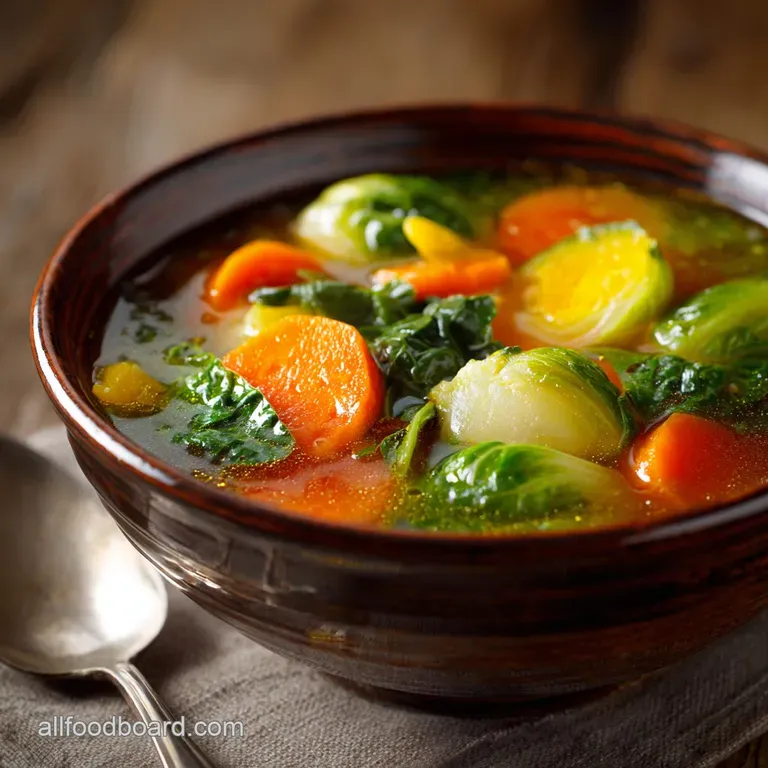
That smell is absolutely everything. The heavy, warm steam hits you as soon as you lift the lid, and it just smells like coming home. No joke, a simmering pot of proper, hearty vegetable soup can fix almost any bad day, which is why this Best Vegetable Soup Recipe is a weekly staple for me.
We’re talking maximum flavour for minimum effort and honestly, for pennies. This isn't one of those pretentious recipes that requires six hours of reduction or special imported broth.
This easy vegetable soup uses up all the sad-looking bits in your crisper drawer, keeps you healthy, and it’s naturally vegan and gluten-free, which is a total win. Seriously, put down the takeaway menu.
I’ve made every mistake possible over the years, primarily ending up with watery, under seasoned, sad liquid. Now I’m sharing the secret to that deep, rich flavour that somehow gets exponentially better every single day it sits in the fridge. Let's master the art of vegetable broth soup together.
Deep Flavour Science: Why Our Base Isn't Just Boiled Water
Moving Beyond Canned: The Flavor Revolution
If your previous homemade Vegetable Soup tasted bland, I guarantee you just threw everything into a pot of boiling water and hoped for the best. That method makes mushy vegetables and zero flavour depth.
The secret to how to flavor soup naturally is starting with a process called the Soffritto , which is just a fancy Italian word for slowly sweating your aromatic vegetables.
What Defines a 'Proper' British Bowl?
When I think of a proper, comforting bowl of Vegetable Soup, I’m looking for texture and body. It needs to be thick enough to stand up to a piece of crusty bread but still light enough to feel healthy.
We achieve this depth by using a low and slow sautéing technique and letting the starches from the potatoes naturally thicken the broth rather than relying on flour or cream. Trust me, this depth of flavour is what separates a good soup from the ultimate Hearty Vegetable Soup.
Nutritional Profile: Naturally Vegan and gluten-free
I love that this recipe is automatically suitable for almost everyone. It relies entirely on fresh, seasonal vegetables and simple stock, making it an incredibly nutrient dense meal. It’s perfect if you are trying to cut down on animal products or simply want to eat a bit cleaner this week.
The Maillard Reaction in Soups: Slow Sautéing the Mirepoix
We aren't aiming for crispy, browned vegetables here that would be better suited for something like my Roasted Vegetables: Get Ultra Crispy Results in the Oven recipe. We are aiming for sweetness . By heating the onion, carrot, and celery slowly in oil, you are concentrating their sugars. This gentle process releases those sweet compounds, which then dissolve into the broth, giving the final soup that rich, sweet, and complex background note.
Extracting Sweetness: The Role of the Carrot
Carrots are the unsung heroes of good vegetable soup ingredients. When slow cooked in oil, their natural sugars release, counteracting any potential bitterness from the celery or acidity from the tomatoes. You need to dice the carrots relatively small so they fully melt into the base during the long simmer.
Balancing Acidity and Depth with Tomato Paste
Some people ask for vegetable soup no tomatoes, but a tiny amount of tomato paste or tinned tomato (as we use here) is essential for balancing flavor. Tomatoes add that crucial high note of acidity and depth (umami) that prevents the soup from tasting flat or overly sweet. They round out the entire profile beautifully.
Essential Pantry Guide: Ingredients for a Robust Vegetable Soup
You absolutely need quality ingredients, even if they are just humble root vegetables. Don't skimp on the olive oil it's the vehicle for all that flavour!
The Aromatic 'Holy Trinity': Onion, Celery, and Carrot Selection
| Ingredient | Why We Use It | Quick Substitution |
|---|---|---|
| Yellow Onion | Builds the necessary aromatic base and sweetness. | Shallots or Leek (use the white and light green parts). |
| Carrots | Essential sweetness and body. | Parsnips (Note: Parsnips are sweeter, adjust seasoning). |
| Celery | Adds savoury, slightly salty balance. | Fennel bulb (if you enjoy a slight anise flavour). |
Choosing the Right Potatoes and Root Vegetables
For the best texture, always choose a waxy potato, like Yukon Gold or Maris Piper. Starchy potatoes (like Russets) tend to break down completely, turning your beautiful soup into starchy sludge. We want defined, soft potato cubes, not glue!
If you don't have potatoes, diced sweet potatoes or butternut squash work well, but they will add more sweetness.
Enhancing the Broth: Stock vs. Water Considerations
Never, ever use plain water unless you are using vegetable bullion cubes (and even then, I side eye those a bit). A high-quality, low-sodium vegetable stock is the backbone of this recipe. If you only have high sodium stock, be very conservative with the salt until the very end.
Smart Substitutions for Seasonal Vegetables
This recipe is flexible. That's the beauty of vegetable soup ingredients. If green beans aren't in season, swap them for frozen peas (added at the very end). If you don't like courgette (zucchini), try adding finely chopped cabbage or kale instead.
Just remember the timing: hard root vegetables (like potatoes) go in early; soft, delicate vegetables (like courgette) go in late.
Layering Flavour: step-by-step Instructions for the Hearty Vegetable Soup
Step 1: Building the Golden Foundation (Sautéing)
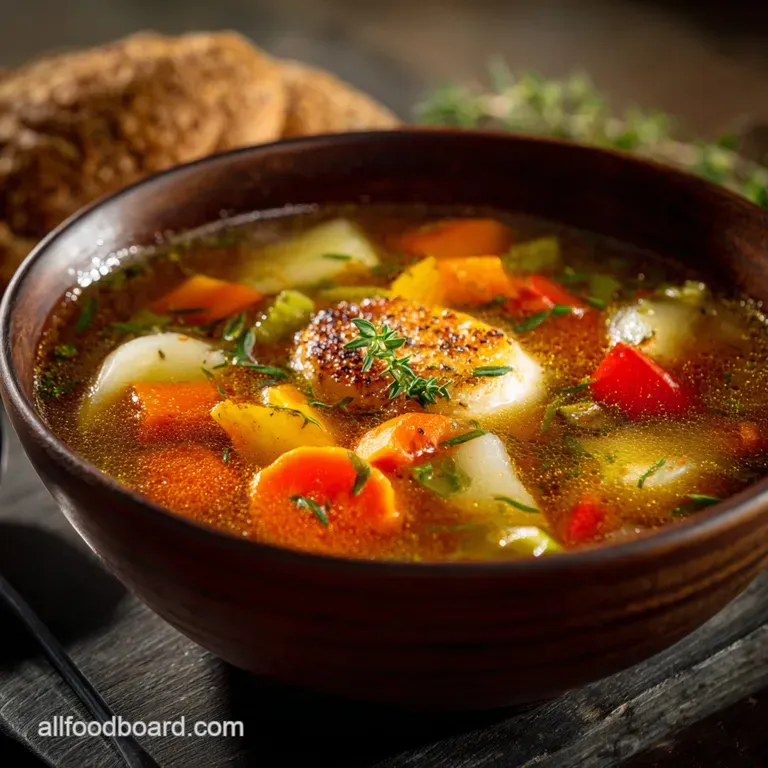
Get your Dutch oven heating up with the olive oil over medium low heat. This low temperature is critical . Add the diced onion, carrots, and celery. Now, here’s where you practice patience. Sauté them gently for 10 to 12 minutes.
You want them very soft, glistening, and totally translucent not browned or caramelized. When the air smells sweet and nutty, stir in the garlic, dried thyme, and bay leaves for one more minute until the garlic is fragrant.
Step 2: Deglazing and Adding the Liquids
Toss in the diced potatoes and stir them around for a couple of minutes to absorb all that amazing oil and flavour base. Pour in your can of diced tomatoes and the vegetable stock.
Scrape the bottom of the pot with your wooden spoon to lift any little sticky bits (that process is called deglazing, and it’s how you get depth!).
Chef's Note: If you want to boost the richness of this Vegetable Broth Soup without adding meat, toss in a clean Parmesan rind with the stock. Let it simmer, then retrieve it before serving. That little bit of cheese rind adds incredible umami and makes the soup taste like it simmered all day.
Step 3: The Timing Protocol for Root Vegetables
Bring the pot to a boil, then immediately reduce it to a gentle simmer. Cover and let it bubble away for 25 minutes. We are focusing on softening the hardest vegetables (potatoes) right now. After 25 minutes, check the potatoes they should be tender.
Now, add the softer vegetables: the diced courgette and green beans. Simmer for another 8 to 10 minutes, uncovered, so they cook through but maintain a nice, crisp tender texture.
Step 4: Finishing Touches and Resting the Soup
Remove and discard those bay leaves we don’t want to chew on those! This is the most important step: TASTE. Add more salt until the flavours pop right off your tongue, then adjust the pepper.
If the flavour feels dull, a tiny squeeze of lemon or a splash of red wine vinegar can work wonders to brighten it up. Ladle into bowls and top with fresh parsley.
Troubleshooting and Chef's Secrets for Your Best Vegetable Soup
Avoiding the Mushy Pitfall: When to Add Delicate Greens
Most people fail their vegetable soup because they cook everything for the same amount of time. If you add delicate ingredients like fresh spinach, kale, or Swiss chard too early, they turn into sad, slimy ribbons.
Wait until the last five minutes of cooking or stir them in right before serving and just let the heat of the soup wilt them instantly.
Correcting Over Seasoning and Lacklustre Flavour
If you added too much salt, don't panic. Drop in a peeled, raw potato. Let it simmer for 15 minutes, then remove it it will absorb some of the excess sodium.
If your soup tastes bland (lacklustre), it needs one of three things: salt, acid (lemon juice or vinegar), or fat (a swirl of good olive oil). Try adding them one at a time.
Boosting Umami Without Animal Products
If you are keeping this strictly vegan but want that deep, savory richness, you have a couple of easy options. Try adding a tablespoon of nutritional yeast at the end, or, my favorite secret weapon: a splash of soy sauce (or tamari for gluten-free).
Seriously, a teaspoon of tamari will make everyone ask, "What is your secret ingredient?"
Preparation and Practicality: Storing and Freezing Guidelines
Cooling Protocols for Safe Storage
Never put a large pot of piping hot soup directly into the fridge. It raises the internal temperature of the fridge dangerously high and can lead to bacteria growth. Ladle the leftover soup into shallow containers first.
Leave them on the counter (uncovered) for about an hour until they are cool to the touch, and then seal and refrigerate.
Best Practices for Freezing Large Batches
Vegetable soup freezes beautifully! It's one of the reasons I often double this recipe. Just be mindful that potatoes can sometimes get a slightly mealy texture once frozen and thawed. To minimize this, either slightly undercook the potatoes and courgette before freezing, or freeze the soup without the potatoes and add them fresh when reheating. This method is also great if you are planning a massive batch, like my Fall Crockpot Soup: Hearty Harvest Slow Cooker Recipe .
Reheating Tips: Keeping Vegetables Intact
Thaw frozen soup in the fridge overnight. When reheating, do it gently on the stovetop over low heat. If you reheat the soup too rapidly, the vegetables tend to separate and turn mushy. If the soup is too thick after thawing, just splash in a little more vegetable stock or water to bring it back to life.
The Perfect Pairing: Serving Your Rich Vegetable Soup
The only true requirement for serving this glorious soup is something crunchy on the side.
Serve it steaming hot with a few simple additions:
- Pesto Swirl: A dollop of basil pesto (or dairy-free parsley oil) swirled into the bowl adds gorgeous colour and freshness.
- The Cheese Gratification: If you aren't strictly vegan, a huge mound of grated mature cheddar or a shaving of fresh Parmesan is just heaven.
- Crusty Carbs: You need something sturdy for dipping. Think a thick slice of rustic sourdough, or maybe even dipping some crunchy baguette slices that have been quickly baked with garlic butter.

Recipe FAQs
How can I adjust this soup to be creamy or achieve an "old-fashioned homemade" texture?
To make the soup creamy without adding heavy dairy, remove 1 to 2 cups of the finished soup, blend it until perfectly smooth, and stir the mixture back into the pot. For a thicker, more 'old-fashioned' consistency, add a small diced starchy potato or parsnip during the last 30 minutes of simmering to naturally thicken the broth.
Is this recipe considered healthy, and what vegetables maximize the nutritional value?
This Vegetable Soup is exceptionally healthy, as it is naturally low in fat, and high in fiber, vitamins, and minerals. To maximize the nutritional punch, incorporate dark leafy greens like kale or spinach near the end of the cooking process, and aim for a wide variety of colors, such as deep purple cabbage or orange sweet potatoes, for diverse nutrient profiles.
How can I prevent the broth from tasting bland or watery?
Blandness often stems from rushing the aromatic base; ensure you sauté the onions, carrots, and celery (the mirepoix) very slowly until they are deeply tender and sweet before adding the stock.
Always season in layers add salt early to draw out moisture from the vegetables, and taste and adjust the seasoning again right before serving to make the flavors truly pop.
Can I convert this recipe into a variation like a Chinese style vegetable soup?
Yes, you can easily globalize the flavor profile. Replace the classic herbs (thyme and bay leaf) with fresh ginger, garlic, and a splash of soy sauce or tamari for depth. Finish the soup with fresh cilantro, a drizzle of toasted sesame oil, and perhaps a small splash of rice vinegar for a bright, authentic finish.
What is the best way to store and freeze large batches of this soup?
The soup keeps well in an airtight container in the refrigerator for 4 5 days. For freezing, cool the soup completely before portioning it into freezer safe containers, where it will last for up to 3 months.
Note that root vegetables, especially potatoes, may become slightly mealy or granular upon thawing, so it’s best to add them fresh if you know you will be freezing the batch.
I want to make this heartier. What proteins pair best with vegetable soup?
Cooked proteins are excellent additions; canned beans (like chickpeas or great northern beans) are simple just rinse and add them during the last 15 minutes of simmering. If using meat, you can brown diced chicken or lean ground turkey alongside the initial aromatic vegetables, or simply stir in leftover shredded cooked rotisserie chicken during the final moments of heating.
Hearty Vegetable Soup Recipe
Ingredients:
Instructions:
Nutrition Facts:
| Calories | 308 kcal |
|---|---|
| Protein | 6.9 g |
| Fat | 12.0 g |
| Carbs | 43.4 g |
