Ground Beef and Chopped Cabbage: Savory and Charred
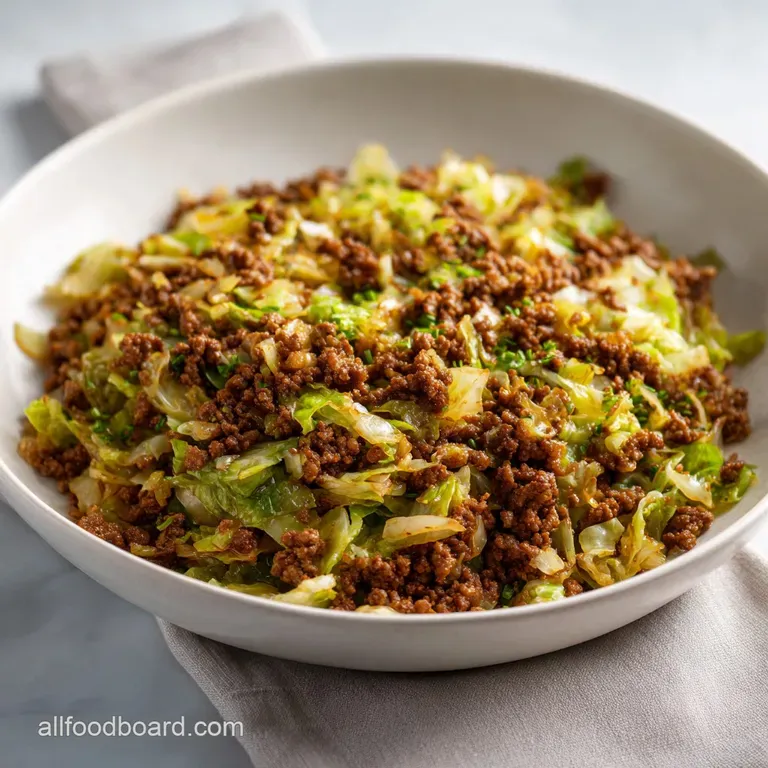
- Time: Active 10 minutes, Passive 15 minutes, Total 25 minutes
- Flavor/Texture Hook: Savory sweet charred cabbage with a satisfyingly crispy beef crumble
- Perfect for: Busy weeknights, low carb meal prep, or beginner cooks craving big flavor
- Mastering Ground Beef and Chopped Cabbage
- Recipe Performance and Timing Plan
- Component Selection for Peak Flavor
- Essential Gear for Even Searing
- Step-by-Step Culinary Execution Strategy
- Solving Common Pan Cooking Issues
- Nutritional Tweaks for Every Diet
- Freshness Retention and Storage Guide
- Creative Plating and Side Pairings
- Recipe FAQs
- 📝 Recipe Card
Mastering Ground Beef and Chopped Cabbage
The second that cold ground beef hits the ripping hot skillet, you should hear a violent, rhythmic sizzle that tells you flavor is being born. I remember the first time I actually stopped fussing with the meat and just let it sit there.
I was so used to stirring constantly, afraid of burning it, but all I ended up with was grey, steamed protein that looked unappealing and tasted like nothing. When I finally learned to walk away for those three minutes, the result was a mahogany colored crust that shattered under the spatula.
That crust is the foundation of this entire dish, providing a deep, smoky base that the cabbage desperately needs.
Cabbage is often the forgotten vegetable, tucked away in the back of the crisper drawer until it's a bit too sad to use. But when you treat it as the hero of the plate, it responds with incredible sweetness and a structural integrity that few other greens can match.
In this ground beef and chopped cabbage recipe, the vegetable isn't just a filler; it is the star that provides bulk, fiber, and a refreshing snap that cuts through the richness of the beef fat.
We aren't making a soggy boiled mess here. We are aiming for something closer to a stir fry, where every element keeps its personality. You want the cabbage to be tender enough to eat easily, but firm enough that it still has a "bite" when your fork hits it.
It's a humble combination, sure, but when you nail the timing, it feels like a total win for a Tuesday night when you're tired but still want to eat something that feels intentional and homemade.
Recipe Performance and Timing Plan
The Heat Buffer: By searing the beef at medium high heat and then removing it, we prevent the meat from overcooking and becoming rubbery while the cabbage does its thing in the pan.
Structural Integrity: Keeping the cabbage in 1 inch (2.5 cm) squares ensures that the surface area allows for quick charring without the leaves collapsing into a watery pile.
The Acid Balance: Apple cider vinegar acts as a chemical "brightener," breaking through the heavy fats of the beef and soy sauce to wake up the palate.
Aromatic Infusion: Adding ginger and garlic only after the onions have softened prevents the delicate oils in these aromatics from burning and turning bitter.
| Servings | Ingredient Adjustments | Pan Size | Cook Time |
|---|---|---|---|
| 2 People | 225g Beef, 450g Cabbage | 10 inch Skillet | 12 minutes |
| 4 People | 450g Beef, 900g Cabbage | 12 inch Skillet | 15 minutes |
| 6 People | 675g Beef, 1.3kg Cabbage | 14 inch Skillet/Wok | 20 minutes |
When you're dealing with ground beef and chopped cabbage, the pan size actually matters more than you might think. If you try to cram 900g of cabbage into a tiny frying pan, you'll end up steaming the greens instead of searing them.
You need that wide surface area so the moisture can evaporate quickly, leaving behind nothing but flavor and a slightly charred edge on the leaves.
The Science of the Sear
When we talk about browning the beef, we are looking for a specific visual cue: a dark, reddish brown color that looks almost like a crust. This isn't just about aesthetics. This process creates hundreds of new flavor compounds that simply don't exist in raw or boiled meat.
If you skip this, your final dish will taste "flat."
Controlled Moisture Release
Cabbage is roughly 92% water. The moment it hits the salt in the soy sauce, it wants to dump all that liquid into your pan. By keeping the heat high and tossing frequently for only 5 to 7 minutes, we cook the cabbage just enough to soften the raw edge while letting the excess steam escape into the air rather than pooling at the bottom.
Component Selection for Peak Flavor
| Ingredient | Science Role | Pro Secret |
|---|---|---|
| Lean Ground Beef (90/10) | Provides protein structure and essential fats | Let it sit at room temperature for 15 mins to get a better sear |
| Fresh Green Cabbage | Adds bulk and natural sugars that caramelize | Remove the thick inner core entirely to ensure even cooking times |
| Apple Cider Vinegar | Regulates pH and cuts through heavy beef fat | Use a high-quality "with the mother" version for a deeper tang |
| Fresh Ginger | Adds aromatic heat and aids in digestion | Grate it while frozen to get a fine paste without the stringy fibers |
For this ground beef and chopped cabbage, the ingredients are straightforward, but the quality of your cabbage is paramount. Look for a head that feels heavy for its size and has tightly packed leaves.
If the outer leaves are wilted or peeling away easily, the cabbage has lost too much moisture and won't give you that "shatter" texture we want.
- Lean Ground Beef (450g): I prefer 90/10 because it gives enough fat to sauté the vegetables without leaving the dish greasy.
- Substitute: Ground Turkey or Chicken. Why this? Offers a lighter profile, though you may need a tsp of extra oil.
- Green Cabbage (900g): Standard green cabbage is the workhorse here because it stays crunchy.
- Substitute: Savoy Cabbage. Why this? More delicate leaves that soak up sauce beautifully but cook faster.
- Yellow Onion (1 small): Provides a sweet, foundational aromatic base.
- Substitute: Shallots. Why this? A more refined, garlic leaning sweetness for a fancier vibe.
- Fresh Garlic (3 cloves): Essential for that pungent, savory backbone.
- Substitute: Garlic Powder (1 tsp). Why this? Use if you're in a rush, but fresh is much more vibrant.
- Low Sodium Soy Sauce (60ml): Delivers salt and umami without being overwhelming.
- Substitute: Tamari or Liquid Aminos. Why this? Makes the dish gluten-free while keeping the savory depth.
- Toasted Sesame Oil (5ml): This is for aroma, not for cooking. It adds a nutty, finished scent.
- Substitute: Walnut Oil. Why this? Provides a different but equally pleasant toasted nuttiness.
Essential Gear for Even Searing
You don't need a kitchen full of gadgets, but a wide 12 inch (30 cm) skillet is non negotiable for this ground beef and chopped cabbage. A cast iron skillet is fantastic because it holds onto heat like a champ, which is exactly what you need when you drop a massive pile of cold cabbage into the pan.
If the temperature drops too low, the cabbage will bleed water and turn into a mushy stew.
A sturdy wooden spatula or a metal turner is your best friend here. You need something with a flat edge so you can scrape up those browned bits (the "fond") from the bottom of the pan after searing the beef.
Those bits are concentrated flavor, and the soy sauce and vinegar will help deglaze them, incorporating all that goodness back into the sauce. If you're using a non stick pan, just be careful with metal tools a high-quality silicone spatula works too, as long as it's stiff enough to break up the meat.
step-by-step Culinary Execution Strategy
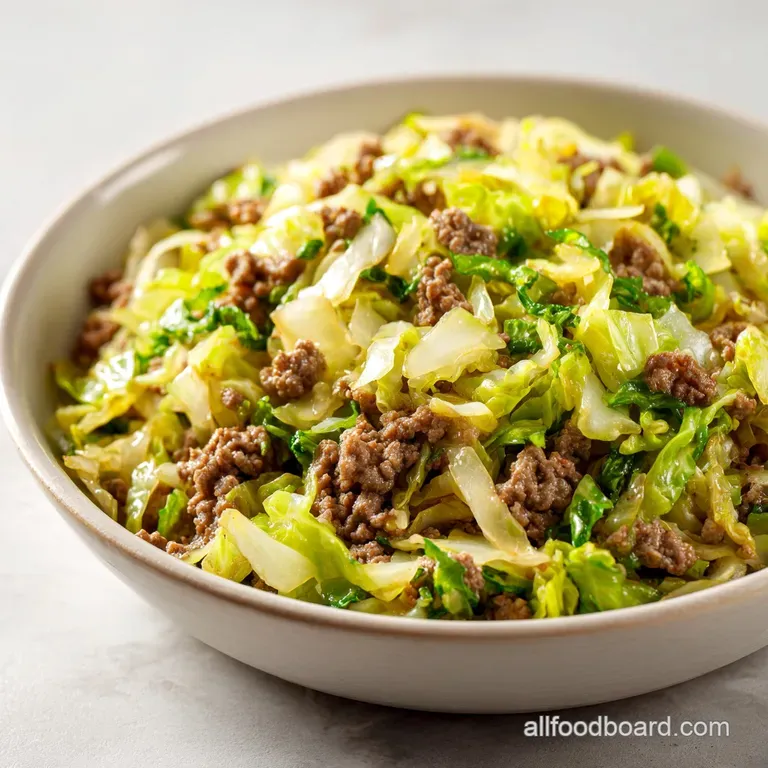
- Place a 12 inch skillet over medium high heat and wait until a drop of water flicked onto the surface dances and evaporates instantly.
- Add the 450g of ground beef to the pan, pressing it down into a flat disc with your spatula. Note: This maximizes surface contact for the best crust.
- Sear the beef undisturbed for 3 minutes. Wait until the edges are dark brown and crispy.
- Break the beef into small crumbles. Cook for another 2-3 minutes until no pink remains in the center.
- Use a slotted spoon to transfer the beef to a bowl, but leave about 1-2 tablespoons of the rendered fat in the skillet.
- Toss in the diced onion and sauté for 3-4 minutes. Cook until they look glassy and soft.
- Add the minced garlic and grated ginger. Stir constantly for 60 seconds until the air smells spicy and fragrant.
- Dump the 900g of chopped cabbage into the skillet. Toss every minute for 5-7 minutes. Note: You want the cabbage to shrink slightly but still feel firm.
- Pour the cooked beef back into the pan along with the soy sauce, vinegar, and red pepper flakes.
- Toss everything together for 2 minutes until the sauce has coated every leaf and the cabbage is glossy.
- Turn off the heat. Drizzle with sesame oil and scatter the green onions and sesame seeds over the top.
Solving Common Pan Cooking Issues
One of the biggest heartbreaks is ending up with a puddle of grey liquid at the bottom of your skillet. This usually happens because the pan wasn't hot enough or you moved the cabbage around too much, preventing it from searing.
If you see liquid starting to collect, turn the heat up to high immediately and stop stirring for a minute to let the moisture evaporate.
Another common hurdle is bitterness. Sometimes cabbage, especially if it's been in storage for a while, can have a sharp, almost peppery bitterness that overpowers the dish. This is where the apple cider vinegar and a pinch of sugar (if you choose) come in.
The acid helps neutralize those bitter sulfur compounds, while the soy sauce provides the salt needed to balance the flavor profile.
Why Your Cabbage is Soggy
| Problem | Root Cause | Solution |
|---|---|---|
| Cabbage is mushy | Pan was overcrowded | Cook in two batches or use a larger 12 inch skillet |
| Beef is dry/rubbery | Overcooked during the vegetable phase | Remove beef from pan while sautéing aromatics and cabbage |
| Dish tastes flat | Lack of acidity or salt | Add an extra splash of vinegar or a pinch of kosher salt at the end |
This recipe reminds me of the balancing act I had to learn when making my cheesy Philly meatloaf, where moisture control is everything. If you don't let the steam escape, the texture just falls apart.
Common Mistakes Checklist
- ✓ Never add the garlic at the same time as the beef; it will burn and turn the whole dish bitter.
- ✓ Ensure the cabbage is chopped into uniform 1 inch squares for even cooking.
- ✓ Don't skip the 3 minute "undisturbed" sear on the beef this is your primary flavor source.
- ✓ Pat the cabbage dry after washing; excess water on the leaves will steam the dish.
- ✓ Always add the sesame oil at the very end with the heat off to preserve its delicate aroma.
Nutritional Tweaks for Every Diet
If you are looking to make this ground beef and chopped cabbage fit a specific lifestyle, it is incredibly flexible. For those on a keto or paleo journey, this dish is already almost there. Just ensure your soy sauce is swapped for liquid aminos or tamari to avoid gluten and soy additives.
The natural fats in the beef keep you satiated, while the cabbage provides the volume you need without the heavy carb count of rice or noodles.
If you’re watching your sodium, the soy sauce is the main culprit. You can cut the soy sauce in half and supplement with a little extra ginger and a squeeze of fresh lime juice. The citrus provides a similar "hit" to the palate that salt does, making you less likely to miss the extra sodium.
For a leaner version, ground turkey works perfectly, but I recommend adding a teaspoon of avocado oil to the pan before the cabbage to make up for the lack of rendered beef fat.
| Premium Ingredient | Budget Alternative | Flavor Impact | Savings |
|---|---|---|---|
| Fresh Ginger Root | Ground Ginger (1/2 tsp) | Less "zing," more earthy | Saves $2.00 |
| Low Sodium Soy Sauce | Store Brand Soy Sauce | Saltier; use 25% less | Saves $1.50 |
| Toasted Sesame Seeds | Crushed Peanuts | Different crunch; very tasty | Saves $3.00 |
If you find yourself with extra beef after shopping, you could easily pivot some of it into a batch of beef stuffed shells for the kids later in the week.
Freshness Retention and Storage Guide
This is one of those rare dishes that actually tastes better the next day. As it sits in the fridge, the cabbage continues to absorb the ginger and soy, turning into something reminiscent of a deconstructed egg roll. Keep it in an airtight glass container in the fridge for up to 4 days.
When reheating, I highly suggest using a skillet rather than a microwave. A quick 3 minute toss in a hot pan will re crisp the beef bits and keep the cabbage from getting that "rubbery" microwave texture.
Freezing is possible, but I'll be honest with you: the cabbage will lose its crunch. If you do freeze it (for up to 3 months), expect the texture to be much softer more like a traditional cabbage roll filling. To save the leftovers from going to waste, you can even use them as a base for a soup.
Just add some beef broth, a few more veggies, and maybe some rice noodles for a completely different meal. The cores and stems of the cabbage shouldn't be tossed either; slice them paper thin and pickle them in a bit of vinegar and salt for a crunchy snack.
Creative Plating and Side Pairings
While this ground beef and chopped cabbage is a complete meal on its own, I love serving it over a bed of fluffy jasmine rice to soak up every drop of that soy ginger sauce. If you want to keep it low carb, cauliflower rice is a fantastic substitute.
For a bit of extra texture, I sometimes top mine with a handful of crispy fried onions or a drizzle of sriracha mayo if I’m feeling like something a bit more decadent.
If you’re serving this as part of a larger family dinner, it pairs beautifully with a simple smashed cucumber salad or some steamed edamame. The coolness of the cucumbers provides a lovely contrast to the warm, savory skillet.
Honestly, don't even bother with complicated sides; the beauty of a one pot meal like this is the simplicity.
Scaling the Recipe Up or Down
When scaling down for one or two people, you can follow the measurements exactly in half. Just remember that a smaller amount of food in a large pan will cook much faster, so keep a close eye on the cabbage to ensure it doesn't burn. When scaling up for a crowd, do not double the liquid ingredients immediately.
Start with 1.5 times the soy sauce and vinegar, then taste. Sometimes doubling the liquids can make the dish too "soupy" and prevent the cabbage from getting that essential char.
Common Kitchen Myths
One myth that drives me crazy is that you have to "wash" ground beef. Please don't do this. Not only does it spread bacteria around your sink, but the moisture will make it impossible to get that mahogany sear we’re looking for. Another myth is that cabbage needs to be cooked for a long time to be digestible.
In reality, overcooking cabbage is what releases those strong, sulfurous smells people often dislike. A quick 5-7 minute cook keeps the flavor fresh and the scent mild.
Whether you're a seasoned pro or just trying to get a decent dinner on the table, this ground beef and chopped cabbage recipe is a reliable friend. It’s forgiving, fast, and uses ingredients that don’t require a special trip to a high end grocery store.
Just remember: let that beef sear, keep the cabbage crunchy, and don't be afraid of the heat!
Recipe FAQs
Do cabbage and ground beef go together?
Yes, they are a perfect match. The cabbage acts as a flavor sponge, absorbing the savory rendered beef fat and the punchy aromatics like ginger and garlic.
What is a German dish with cabbage and ground beef?
Kohlpfanne, or cabbage pan, is the classic preparation. It typically involves browning meat with onions and cabbage, similar to the method used in our classic beef stew to build deep, complex flavors.
What is the best meat to go with cabbage?
Lean ground beef (90/10) is ideal. The fat ratio provides enough rendered drippings to sauté the vegetables without making the final dish feel overly heavy or greasy.
What to use chopped cabbage for?
Use it for stir fries, braises, or quick sautéed medleys. Because it is chopped into uniform 1 inch squares, it cooks to a tender crisp texture in just 5-7 minutes.
How to avoid bitter cabbage?
Ensure your skillet is at medium high heat before adding the cabbage. High heat allows the leaves to char slightly and caramelize, which balances out any natural bitterness in the vegetable.
How to get a crispy crust on the beef?
Sear the beef undisturbed for 3 minutes. Pressing the meat into a flat disc against the skillet maximizes surface contact, which is the secret to developing that deep mahogany color before you start breaking it into crumbles.
How to keep the sesame oil flavor vibrant?
Drizzle the oil only after removing the skillet from the heat. Adding it too early causes the delicate aroma to cook off; keeping it for the final garnish ensures the scent remains bright and fragrant.
Ground Beef And Chopped Cabbage
Ingredients:
Instructions:
Nutrition Facts:
| Calories | 284 kcal |
|---|---|
| Protein | 28.6 g |
| Fat | 11.2 g |
| Carbs | 17.4 g |
| Fiber | 6.1 g |
| Sugar | 7.8 g |
| Sodium | 645 mg |
