Fried Rice: Smoky & Savory
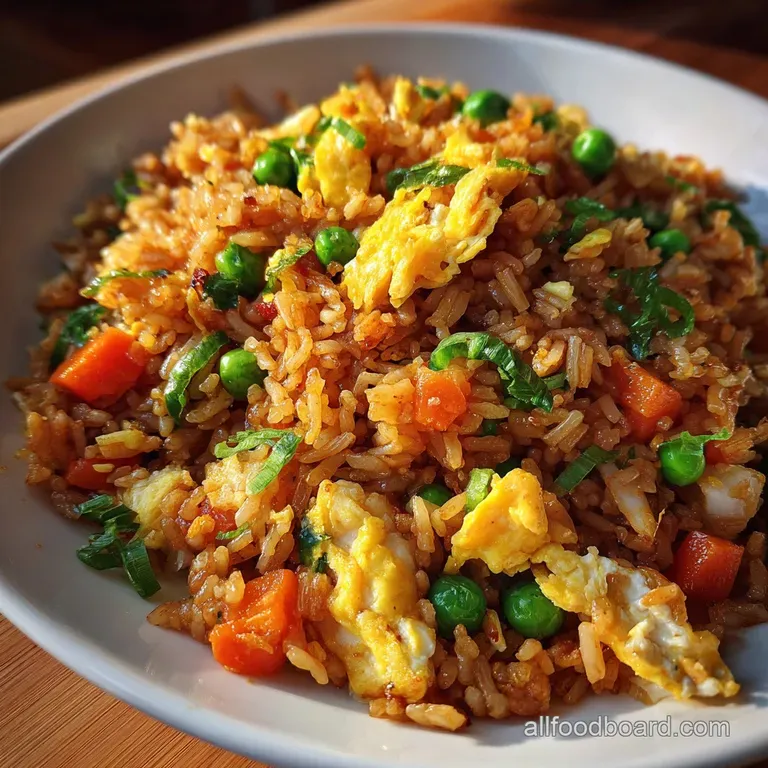
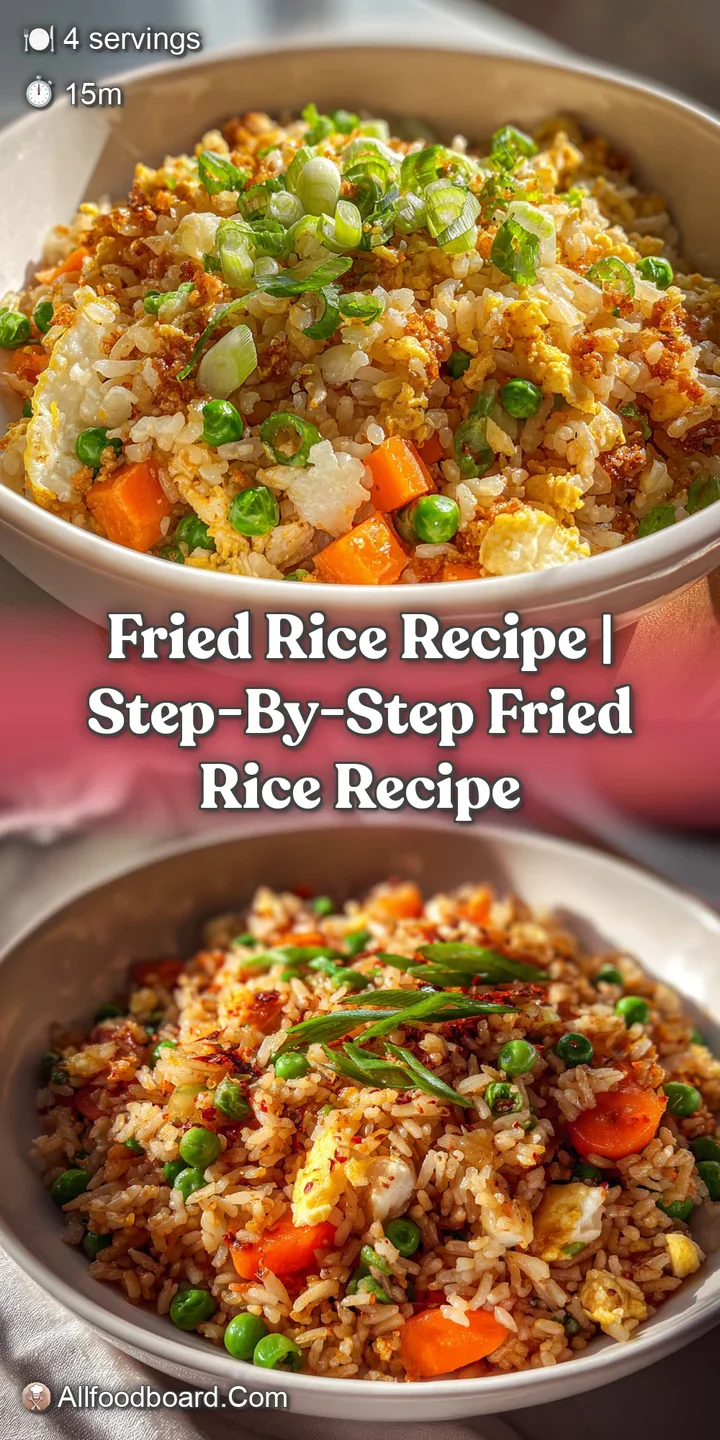
- Time: Active 10 minutes, Passive 5 minutes, Total 15 minutes
- Flavor/Texture Hook: Smoky, savory, and satisfyingly crispy
- Perfect for: Busy weeknights, using up leftovers, or family-friendly meal prep
- Mastering Fried Rice for Crispy Smoky Results
- Science Behind the Perfect Wok Sizzle
- Quick Specifications for a Family Meal
- Sourcing Components for Maximum Flavor Impact
- Essential Tools for Your Kitchen Counter
- Guide to Searing Your Rice
- Fixing Common Cooking Mistakes and Sogginess
- Fun Flavor Variations and Simple Substitutes
- Storing and Reheating Your Tasty Leftovers
- Side Dishes to Complete the Meal
- Myths About Wok Cooking
- High in Sodium
- Fried Rice FAQs
- 📝 Recipe Card
Mastering Fried Rice for Crispy Smoky Results
There is nothing quite like the sound of a hot pan when you toss in a bowl of rice. That immediate sizzle tells you everything you need to know about the meal you're about to enjoy. For years, I struggled with making a fried rice recipe that didn't turn into a gummy, beige pile of disappointment.
I used to think the secret was some fancy sauce, but it turns out, it's all about how you handle the heat and the grains before they even touch the oil.
Trust me, we have all been there, staring at a plate of mush and wondering why it doesn't taste like the takeout we crave. But once you realize that the rice is the star and everything else is just supporting cast, your whole approach changes.
This version is my absolute favorite because it is fast, uses things I already have in my freezer, and it actually works every single time.
If you have kids like I do, you know that a homemade fried rice is basically a magic trick for getting them to eat their vegetables without a single complaint. It is a one pan wonder that feels like a treat but is actually a clever way to clear out the fridge.
Right then, let's get into the details so you can stop settling for soggy rice and start making the best fried rice recipe in your own kitchen.
Science Behind the Perfect Wok Sizzle
The Science of Why it Works: This recipe relies on retrograded starch from cold rice to ensure grains stay separate, and the Maillard reaction to create deep, savory flavors as proteins and sugars brown under high heat.
Utilizing Retrograded Starch
When you cook rice and then let it cool, the starch molecules undergo a process called retrogradation. Essentially, they crystallize and toughen up. This is why fresh, warm rice is a disaster for this dish; it's full of moisture and ready to clump. Cold, day old rice has a firm structure that can withstand the "fry" part of the process without turning into porridge. It’s a similar logic to how we use specific textures in a Perfectly Sticky Sushi Rice recipe, where the goal is the opposite maximum cling. For us, we want every grain to be an island.
Mastering the Maillard Reaction
The intense heat of the pan triggers a chemical dance between the amino acids in the soy sauce, chicken, and eggs, and the sugars in the rice. This isn't just "cooking"; it's creating new flavor compounds that didn't exist before. If your pan isn't hot enough, you're just heating things up.
If it's shimmering and smoking, you're creating that signature charred depth that makes people go back for seconds.
Emulsifying with the Egg Barrier
The eggs do more than just add protein. As they scramble in the hot oil, they create a velvety, fat rich environment. When the rice hits those eggs, a tiny bit of that fat coats the grains. This acts as a barrier, preventing the soy sauce from soaking into the rice and making it heavy.
It’s a clever bit of kitchen physics that keeps the texture light and the flavor on the surface where it belongs.
| Cook Method | Time | Texture | Best For |
|---|---|---|---|
| over High heat Wok | 8 minutes | Maximum char and smoky "wok hei" | Authentic restaurant flavor |
| Large Cast Iron | 12 minutes | Even browning and crispy "bits" | Busy home cooks |
| Non Stick Pan | 15 minutes | Softer texture, easy cleanup | Beginner friendly cooking |
Getting the temperature right is the biggest hurdle for most people. I remember once trying to cook this on a low simmer because I was afraid of burning the garlic. The result was a pale, wet mess that my husband politely ate while reaching for the hot sauce.
Since then, I’ve learned that the pan needs to be almost scary hot before you start.
Quick Specifications for a Family Meal
Making this for a crowd requires a little bit of math and a lot of prep. Since the actual cooking happens in a flash (we're talking 10 minutes max), you cannot be chopping carrots while the garlic is already browning. I always tell my friends to line up their bowls like a little assembly line.
It makes the whole process feel less like a chore and more like a fun kitchen performance.
Chef Tip: Before adding the rice to the pan, drizzle a teaspoon of oil over the cold rice and use your hands to gently break up any clumps. This ensures every grain is primed for the sizzle and prevents you from smashing the rice with your spatula in the pan.
If you are looking for a quick fried rice recipe, you really can't beat the 15 minute total time here. It is faster than calling for delivery and waiting for the driver to find your house. Plus, you control the salt and the quality of the oil.
We usually use a neutral oil like canola or vegetable oil because they have high smoke points. Never use butter for the initial sear it will burn and taste bitter before the rice even gets a chance to crisp up. Save the fats with low smoke points for the very end.
| Component | Science Role | Pro Secret |
|---|---|---|
| Cold Jasmine Rice | Retrograded starch for structure | Use long grain only for fluffiness |
| Large Eggs | Fat based moisture barrier | Scramble until just set, then remove |
| Soy Sauce | Liquid umami and salt source | Pour around the edges of the pan to "scorch" it |
The "scorching" of the soy sauce is a trick I learned from a chef friend. Instead of pouring it directly onto the rice, you pour it against the hot metal sides of the pan. It bubbles and caramelizes instantly, giving you a much more complex flavor profile than just "salty."
Sourcing Components for Maximum Flavor Impact
The beauty of a vegetable fried rice or a chicken fried rice recipe is that the ingredients are probably already in your pantry. However, the quality of your soy sauce and the age of your ginger make a massive difference.
I always keep a knob of ginger in the freezer; it’s much easier to grate when it's frozen solid, and it stays fresh for months.
- 3 cups cold cooked Jasmine rice: Approx. 450g. Jasmine is the gold standard for its floral aroma and perfect length.
- 2 tbsp neutral oil: Canola or vegetable. You need something that won't smoke you out of the house.
- 3 large eggs: Lightly beaten. These provide the velvety richness and structure.
- 2 cloves garlic: Minced. Essential for the aromatic base.
- 1 tsp fresh ginger: Grated. Adds a sharp, bright zing to cut through the salt.
- 1/2 cup green onions: White and green parts separated. We fry the whites and garnish with the greens.
- 1 cup frozen peas and carrots blend: Thawed. The ultimate time saver that keeps its color.
- 1 cup cooked chicken breast: Diced. Great for using up last night's roasted chicken.
- 3 tbsp soy sauce: The primary seasoning. I prefer a "light" soy sauce for saltiness.
- 1 tbsp oyster sauce: This is the secret for that "thick" savory flavor and glossy finish.
- 1 tsp toasted sesame oil: For that nutty, irresistible aroma.
- 1/2 tsp ground white pepper: Provides a subtle, floral heat that black pepper can't match.
| Original Ingredient | Substitute | Why It Works |
|---|---|---|
| Oyster Sauce | Hoisin Sauce | Similar thickness. Note: Adds more sweetness and a hint of five spice |
| Chicken Breast | Firm Tofu (diced) | Holds shape well and absorbs the soy sauce seasoning |
| Soy Sauce | Tamari | Keeps the dish gluten-free without losing the salt profile |
If you find yourself out of chicken, don't worry. This works beautifully as a mushroom fried rice recipe too. Just sauté some sliced cremini or shiitake mushrooms first until they are golden and have released all their moisture.
The earthy flavor of mushrooms paired with the oyster sauce is a match made in heaven.
Essential Tools for Your Kitchen Counter
You don't need a professional kitchen to pull this off, but your choice of pan will dictate the final texture. I've used everything from a cheap non stick skillet to a heavy cast iron pan.
While a wok is traditional, a large, heavy bottomed stainless steel pan is actually better for most home electric stoves because it has more surface area in contact with the heat source.
- A Large Skillet or Wok: The bigger, the better. You need room to toss the rice without it flying across the kitchen.
- A Sturdy Spatula: Preferably a flat metal one if using a cast iron or stainless pan. This allows you to scrape up those delicious browned bits from the bottom.
- Small Prep Bowls: To keep your ingredients organized. Since the cooking moves fast, having everything measured out is non negotiable.
I once tried to make an easy fried rice in a small saucepot because my skillet was dirty. Let me tell you, that was a mistake I only made once. The rice steamed instead of fried, and I ended up with a bowl of savory porridge. Space is your friend here.
The more you can spread the rice out, the better the sear will be.
Guide to Searing Your Rice
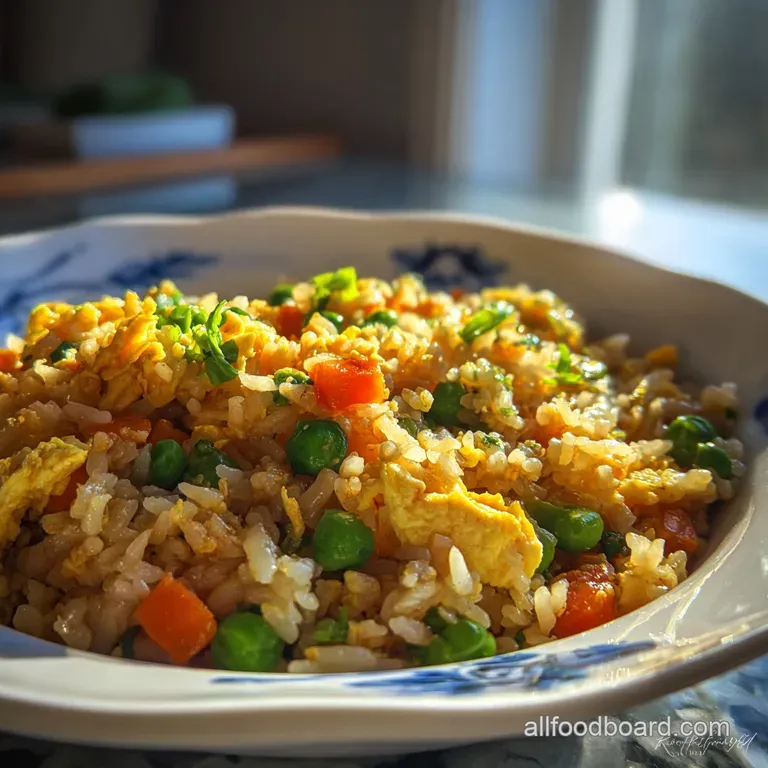
Let's get cooking. Remember, the goal is high heat and fast movement. Keep your spatula moving, and don't be afraid of a little noise in the pan that's the sound of success.
1. Prepping the Grains
Take your 3 cups of cold cooked Jasmine rice and place them in a bowl. Gently break apart any large clumps with your fingers. Note: This prevents uneven heating and ensures every grain gets coated in oil.
2. Searing the Aromatics
Heat 1 tbsp of neutral oil in your pan over medium high heat. Add the minced garlic, grated ginger, and the white parts of the green onions. Sauté for about 30 seconds until the air smells fragrant and the garlic is just beginning to turn golden.
3. Scrambling the Foundation
Push the aromatics to the side of the pan and add another teaspoon of oil if the pan looks dry. Pour in the 3 beaten eggs. Scramble them quickly until they are soft, velvety, and 80% cooked. Remove the eggs and aromatics from the pan and set them aside.
4. Flash Frying the Grains
Wipe the pan quickly with a paper towel and add the remaining oil. Crank the heat to high. Add the rice and spread it out in an even layer. Let it sit for 1 minute without touching it until you hear a popping sound and the bottom grains are toasted.
5. Finishing with Umami
Toss the rice, then add the thawed peas and carrots, and the diced chicken. Pour the soy sauce and oyster sauce around the edges of the pan. Note: This "scorches" the sauce for better flavor. Toss everything together for 2 minutes until the rice is steaming and evenly colored.
6. The Final Flourish
Return the egg and aromatic mixture to the pan. Sprinkle in the white pepper and drizzle with the toasted sesame oil. Give it one final, vigorous toss.
7. Garnish and Serve
Turn off the heat and stir in the remaining green parts of the green onions. Serve immediately while the rice still has that slight crunch from the pan.
Fixing Common Cooking Mistakes and Sogginess
The most frequent complaint I hear from my readers is that their rice turned out mushy. Usually, this is because of two things: too much liquid or the wrong temperature. If you add your sauces too early, or if your vegetables are still dripping with water from being washed, the rice will absorb that moisture and lose its structure.
Preventing Soggy Bottoms
If you realize your rice is starting to look wet, stop stirring! Spread the rice out and let the heat evaporate the excess moisture. Also, ensure your frozen peas and carrots are fully thawed and patted dry. That extra ice crystal is the enemy of a homemade fried rice.
Mastering the Heat Balance
If your garlic is burning before your rice is hot, your pan might be thin. Heavy bottomed pans distribute heat more evenly. If things are getting too dark too fast, pull the pan off the burner for a few seconds rather than turning the knob down. The residual heat will keep the "fry" going without the scorched flavor.
| Problem | Root Cause | Solution |
|---|---|---|
| Grains are clumping together | Rice was too fresh or too warm | Use rice that has been in the fridge for at least 12 hours |
| Dish tastes too salty | Too much soy sauce added at once | Add a teaspoon of sugar or a squeeze of lime to balance it |
| Rice is dry and hard | Not enough oil or high heat | Add a tablespoon of water or broth and cover for 30 seconds to steam |
Common Mistakes Checklist
- ✓ Never use warm rice; it will release starch and turn into a paste.
- ✓ Don't overcrowd the pan; work in batches if your pan is small.
- ✓ Ensure the oil is shimmering before adding the rice.
- ✓ Use white pepper instead of black for that authentic floral heat.
- ✓ Add the sesame oil at the very end to preserve its delicate aroma.
Fun Flavor Variations and Simple Substitutes
One of the best things about this best fried rice recipe is how adaptable it is. Sometimes I want something a bit more adventurous, and other times I just want to use whatever is in the crisper drawer. If you like things spicy, adding a dollop of chili crisp or Sriracha at the end is a total win.
Crafting Vegetable Fried Rice
To make this purely vegetarian, swap the oyster sauce for a vegetarian stir fry sauce (usually made from mushrooms) and double up on the veggies. I love adding diced bell peppers, baby corn, or even some chopped kale for a bit of crunch.
It’s a great way to make a vegetable fried rice feel like a full, hearty meal.
Creating Quick Chicken Fried Rice
For a boost in protein, this chicken fried rice recipe is my go to. You can also swap the chicken for shrimp or even leftover steak. If you're feeling fancy, you could even try making a version inspired by an Authentic Louisiana Dirty rice, using ground meat and plenty of spices for a fusion twist that always surprises guests.
Adjusting for Diet
If you are watching your carbs, you can do a 50/50 split of Jasmine rice and cauliflower rice. Just be sure to fry the cauliflower rice separately first to get all the moisture out, otherwise, it will ruin the texture of the real grains. For a gluten-free version, tamari is your best friend.
| Feature | Standard Fried Rice | Nigerian Style | Mushroom Style |
|---|---|---|---|
| Main Spice | White Pepper | Curry Powder | Thyme/Soy |
| Protein | Chicken/Egg | Liver/Shrimp | Shiitake |
| Key Veggie | Peas/Carrots | Green Beans | Scallions |
If you really want to try something different, a Nigerian fried rice recipe usually includes curry powder and liver, giving it a completely different yellow hue and a rich, savory depth. It's fascinating how one dish can change so much just by swapping a few spices!
Storing and Reheating Your Tasty Leftovers
Fried rice actually keeps remarkably well, which makes it a dream for meal prepping. In fact, some people argue it tastes even better the next day after the flavors have had a chance to really mingle in the fridge.
- Fridge: Store in an airtight container for up to 4 days.
- Freezer: You can freeze fried rice! Let it cool completely, then store in freezer bags for up to 3 months.
- Zero Waste Tip: Don't throw away those broccoli stalks or the bottom of the celery bunch. Dice them up very small and toss them in with the carrots. They add a great crunch and save you from wasting perfectly good food.
When it comes to reheating, avoid the microwave if you can. It tends to make the rice rubbery. Instead, toss the leftovers back into a hot skillet with a tiny splash of water or broth. Cover it for 1 minute to let the steam revive the grains, then uncover and fry for another minute to restore the crispiness.
Side Dishes to Complete the Meal
While this is definitely a meal on its own, I love serving it with a few extras to make it feel like a feast. If we are having a "takeout at home" night, I'll whip up some simple dumplings or a quick cucumber salad with rice vinegar and sesame seeds.
Chef Tip: If you have a sweet tooth after a savory meal like this, you can actually use any leftover plain rice to make a Rice Crispy Treats Recipe. It’s a fun way to use up the pantry staples you already have out!
For a more substantial pairing, this rice is the perfect companion to a Hibachi Chicken Recipe served with that famous yellow ginger sauce. The smokiness of the rice balances the sweet and savory glaze of the chicken perfectly.
Myths About Wok Cooking
There are so many misconceptions about what makes a "proper" fried rice. Let's clear the air on a few things that might be holding you back from your best results.
Myth: You MUST have a wok to make good fried rice. Truth: While a wok is great for "tossing," it’s not strictly necessary. A wide, heavy skillet actually provides more surface area for the rice to touch the heat, which can lead to better browning on a standard home stove.
The "breath of the wok" is about heat management, not just the shape of the pan.
Myth: Searing the rice at high heat will make it unhealthy. Truth: over High heat cooking is actually very fast, meaning the ingredients spend less time in the oil than they would if you were "sweating" them at a lower temperature. This creates a crisp exterior without the interior becoming greasy.
Myth: You can't use fresh rice at all. Truth: You can, but you have to cheat. If you must use fresh rice, spread it out on a baking sheet and put it in front of a fan or in the fridge for 30 minutes to dry out the surface.
It won't be quite as good as day old rice, but it’ll save dinner in a pinch!
This dish has become a staple in our home because it is the ultimate "I don't know what to cook" solution. It’s humble, it’s fast, and it’s incredibly satisfying.
Once you get the hang of the over high heat method, you’ll find yourself making an extra pot of rice earlier in the week just so you have an excuse to fry it up on Wednesday night. Happy cooking!
High in Sodium
988 mg mg of sodium per serving (43% % of daily value)
The American Heart Association recommends limiting sodium intake to no more than 2,300mg per day for most adults.
Tips to Reduce Sodium in Your Fried Rice
-
Reduce Soy Sauce-25%
Soy sauce is a major sodium contributor. Reduce the amount from 3 tbsp to 1.5 tbsp, and consider using a low-sodium soy sauce.
-
Omit Oyster Sauce-20%
Oyster sauce is very high in sodium. Try omitting it altogether, or replace it with a small amount (1/2 tsp) of low-sodium hoisin sauce for a touch of sweetness, if desired.
-
Control Chicken Sodium-15%
Ensure your cooked chicken breast is prepared without added salt or sodium rich marinades. Cook the chicken yourself or buy it plain.
-
More Aromatics, Less Salt-10%
Enhance flavor with more garlic, ginger, and green onions instead of relying on salt. Consider adding a pinch of red pepper flakes for a little heat.
-
Explore Herbs & Spices
Experiment with other herbs and spices like black pepper, coriander, or a dash of rice vinegar to add complexity without sodium. Taste and adjust seasonings after cooking.
Fried Rice FAQs
Can I use freshly cooked rice for fried rice?
No, use day-old, cold rice. Freshly cooked rice is too moist and will clump, resulting in a mushy texture. Cold rice grains are firmer and separate better during the high heat frying process.
What is the secret to achieving smoky "wok hei" flavor?
High heat and a well seasoned pan are key. Get your pan or wok smoking hot before adding ingredients; this high temperature causes rapid caramelization and creates that signature smoky aroma and flavor.
Why does my fried rice turn out gummy instead of fluffy?
This is usually due to using fresh rice or overcrowding the pan. Ensure you're using cold, leftover rice and give the ingredients plenty of space in the pan to fry rather than steam.
How do I prevent my fried rice from being too salty?
Add soy sauce gradually and pour it around the edges of the pan. Pouring soy sauce around the hot pan edges allows it to caramelize slightly, intensifying flavor without making the entire dish overly salty.
What kind of oil is best for frying rice?
Use a neutral oil with a high smoke point. Oils like canola, vegetable, or peanut oil are ideal because they can withstand high temperatures without burning, which is crucial for achieving that crispy texture.
Can I make fried rice gluten-free?
Yes, easily by using tamari instead of soy sauce. Tamari is a Japanese soy sauce that is typically brewed without wheat, making it a perfect gluten-free alternative for seasoning your fried rice.
What are some good side dishes for fried rice?
Fried rice pairs well with many dishes, including savory stir fries or steamed vegetables. Consider serving it alongside a RestaurantStyle Chinese Green Beans With Garlic Sauce Recipe for a complete and flavorful meal.
Fried Rice Mastery
Ingredients:
Instructions:
Nutrition Facts:
| Calories | 403 calories |
|---|---|
| Protein | 28g |
| Fat | 14g |
| Carbs | 39g |
| Fiber | 3g |
| Sugar | 3g |
| Sodium | 988mg |
