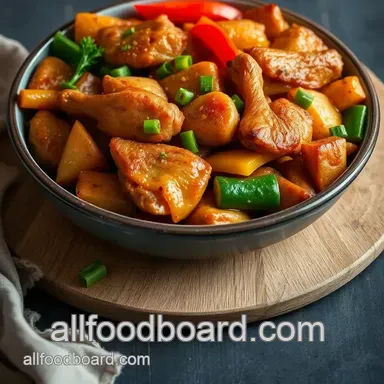
Ginger Soy Stir Fry Chicken with Crisp Veggies
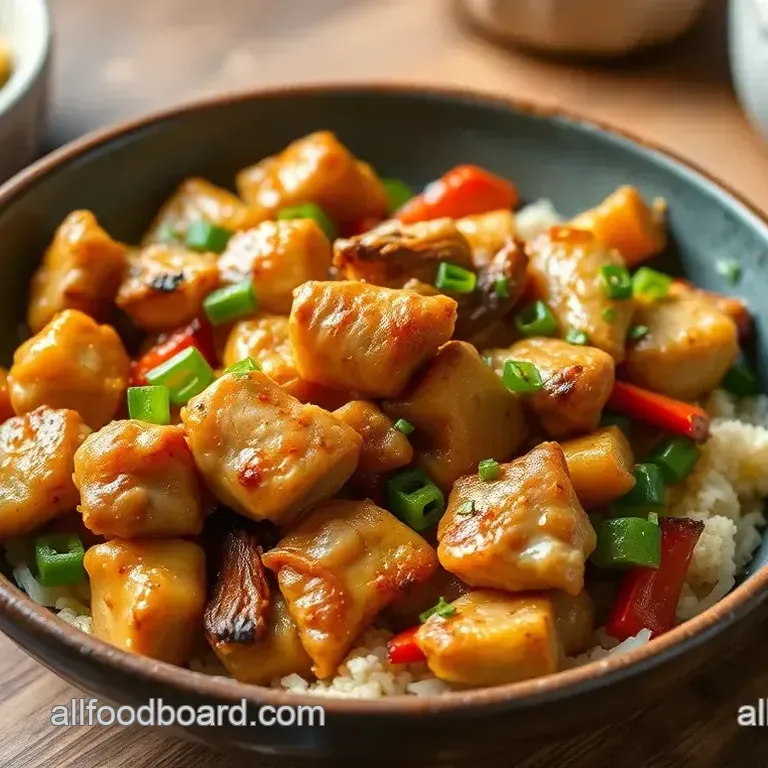
- Time: 15 minutes prep + 15 minutes heat
- Taste Profile: Savory umami glaze with a satisfying crunch in every bite
- Perfect for: Rapid weeknight dinners or healthy meal prep
Making Stir Fry Chicken with Crisp Veggies
The aroma of toasted sesame oil hitting a searing pan instantly reminds me of Asian night markets. That sudden, sharp sizzle is the perfect signal that a quick and savory meal is underway. Stir frying is more than a technique; it's a way to honor the ingredients by keeping them from turning into mush.
Discover how to prepare this savory Stir Fry Chicken with Crisp Veggies Delight and Ginger Soy Sauce. This recipe creates a harmony between the saltiness of soy and the aromatic heat of fresh ginger. The goal is to maintain bright, vivid colors that make the plate look like a work of art.
You can look forward to a meal that checks every box. The chicken remains succulent, the broccoli retains its crunch, and the sauce wraps everything in a shimmering glaze. Success with this Stir Fry Chicken with Crisp Veggies depends entirely on precise timing and high heat.
Why This Recipe Works
- High Heat Searing: Cooking chicken in a single layer prevents steaming, which ensures the meat browns instead of boiling in its own juices.
- Cornstarch Slurry: Mixing the thickener into the cold sauce first prevents clumps and creates a glossy finish that sticks to the veggies.
- Vegetable Sequencing: Adding carrots and broccoli before the snap peas ensures everything finishes cooking at the exact same time.
Ingredient Deep Dive
| Component | Purpose | Substitute Notes |
|---|---|---|
| Cornstarch | Thickens the glaze | Arrowroot powder works; use a 1:1 ratio |
| Fresh Ginger | Adds zesty heat | Ground ginger: 1/4 tsp per tbsp fresh (less punchy) |
| Honey | Balances salt with sweetness | Maple syrup: Similar viscosity, slightly earthier |
| Avocado Oil | High smoke point for searing | Grapeseed oil: Also stable at high heat |
Ingredients and Swaps
- 1 lb boneless, skinless chicken breast, thinly sliced Why this? Lean protein that sears quickly over high heat
- Substitute: Chicken thighs for more fat and juiciness.
- 1 tbsp avocado oil Why this? Remains stable without smoking at high temperatures
- Substitute: Canola oil.
- 2 cups broccoli florets, cut small Why this? The heads are excellent for trapping sauce
- Substitute: Cauliflower for a milder taste.
- 1 cup carrots, julienned or thinly sliced Why this? Brings a natural sweetness and crispness
- Substitute: Red bell peppers for a pop of color.
- 1 cup sugar snap peas, trimmed Why this? Contributes a fresh, sweet crunch
- Substitute: Snow peas.
- 3 cloves garlic, minced Why this? An essential aromatic foundation
- Substitute: Garlic powder (1/2 tsp), though fresh is better.
- 1 tbsp fresh ginger, grated Why this? Gives the sauce its characteristic zest
- Substitute: Fresh galangal for a more piney, citrusy flavor.
- 1/4 cup low sodium soy sauce Why this? Supplies a rich, savory umami saltiness
- Substitute: Tamari for a gluten-free option.
- 1 tbsp honey Why this? Creates a sticky, shimmering glaze
- Substitute: Brown sugar.
- 1 tbsp rice vinegar Why this? Balances the salt and sugar with acidity
- Substitute: Apple cider vinegar.
- 1 tsp toasted sesame oil Why this? Adds a fragrant, roasted nuttiness
- Substitute: Peanut oil.
- 1 tbsp cornstarch Why this? Thickens the liquid into a clingy coating
- Substitute: Rice flour for a lighter texture.
- 2 tbsp water Why this? Dilutes the starch for smooth whisking
Cooking Instructions
- Whisk the soy sauce, honey, rice vinegar, sesame oil, cornstarch, and water together in a small bowl until smooth and free of starch clumps.
- Heat 1 tbsp of oil in a large wok or non-stick skillet over medium high. Let the oil shimmer and nearly begin to smoke.
- Lay the chicken strips in a single layer. Sauté for 3–5 minutes, stirring occasionally until the edges turn golden and caramelized. Move the chicken to a plate immediately.
- If the pan looks dry, add another splash of oil. Toss in the carrots and broccoli, stirring frequently for 3 minutes.
- Add the snap peas, minced garlic, and grated ginger. Sauté for another 2 minutes until the garlic is aromatic and the vegetables stay bright but firm.
- Put the cooked chicken back in the pan. Stir the soy ginger sauce to incorporate any settled cornstarch, then pour it in.
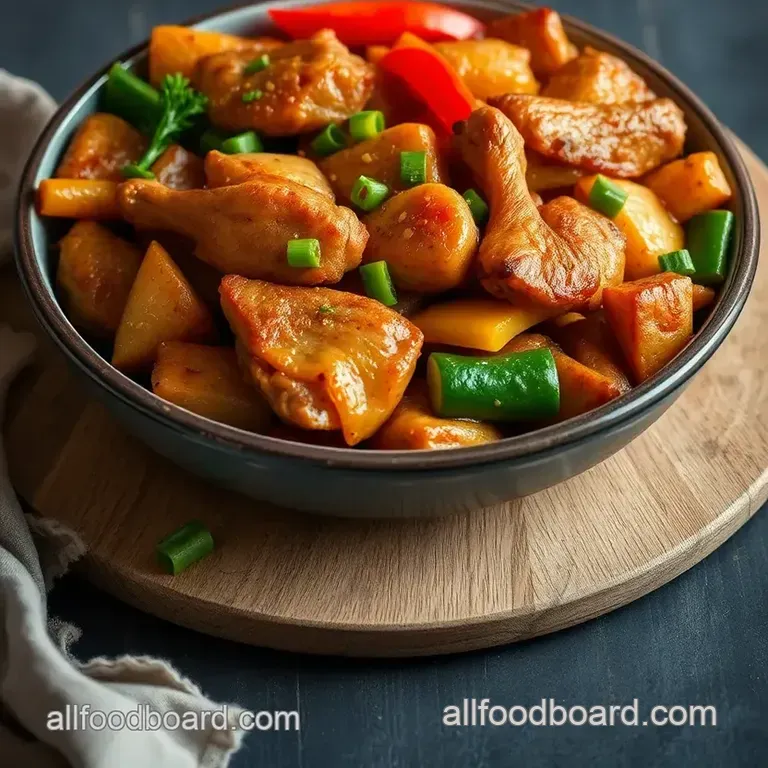
- Toss constantly for 1–2 minutes. The sauce will bubble and thicken until it forms a glossy, mahogany-colored glaze that clings to the Stir Fry Chicken with Crisp Veggies.
Chef's Note: To avoid mushy vegetables, ensure your pan is very hot so they don't release water and steam. If your pan is small, cook the chicken in two batches to keep the temperature high.
Troubleshooting Your Stir Fry
Dealing with a watery pan is the most common headache here. When the pan temperature drops, the vegetables stop searing and start boiling. This ruins the texture of your Chicken with Crisp Veggies Delight and Ginger Soy Sauce.
Another issue is the chicken turning rubbery. This usually happens if you leave the meat in the pan while adding the vegetables. By removing the protein early, you ensure it stays tender while the veggies get their quick hit of heat.
If the sauce doesn't thicken, you might have used too much water or not enough heat. A quick fix is to let it simmer for an extra minute, but don't overdo it or you'll lose the veggie crunch.
Fixing Soggy Vegetables
Sogginess happens when the pan is overcrowded. This traps steam and prevents the moisture from evaporating. Use a larger pan or cook in smaller batches.
Preventing Rubbery Chicken
Overcooking the breast meat makes it tough. Searing quickly at high heat and removing it before the vegetables go in prevents this.
Correcting a Thin Sauce
If the glaze is too runny, the starch didn't activate. Ensure the sauce reaches a simmer to "pop" the cornstarch molecules.
| Problem | Root Cause | Solution |
|---|---|---|
| Veggies are mushy | Pan temp too low or overcrowded | Cook in batches; use higher heat |
| Chicken is dry | Overcooked in the pan | Remove chicken after 3-5 mins |
| Sauce is lumpy | Cornstarch wasn't whisked well | Whisk sauce thoroughly before adding |
| Sauce is too salty | Too much soy sauce | Add a splash of rice vinegar or honey |
Adjusting the Portion Size
If you're doubling the portions, avoid simply increasing all components and adding them to the pan at once. This causes the temperature to drop too sharply, resulting in a stew rather than a proper stir fry.
For a 2x batch: - Brown the chicken in two separate turns. - Start with 1.5x the salt and honey, then season to taste. - Cut the total liquid by 10% so the sauce doesn't become too runny.
To make a single serving, you can easily halve the ingredients. An 8-inch skillet is ideal for keeping the heat concentrated. Because the cooking process is so fast, just shave about 30 seconds off the vegetable sauté time to ensure they stay crisp.
This high-heat searing technique mirrors the process for authentic sizzling chicken fajitas, where the goal is a caramelized exterior and a juicy center.
- - For a spicier kick
- Stir 1 tsp of sriracha into the sauce.
- - For extra crunch
- Toss in toasted cashews right at the end.
- - For more volume
- Add sliced mushrooms during the carrot phase.
Method Comparison
| Feature | Stovetop Stir Fry | oven roasted |
|---|---|---|
| Speed | 15 mins cook time | 25-30 mins cook time |
| Texture | Charred and snappy | Tender and steamed |
| Effort | Constant stirring | Hands off |
Storage and Waste Tips
Store any leftovers in an airtight glass jar in the fridge for 3-4 days. Note that the sauce will thicken as it chills. To reheat, use a pan on medium heat and add a teaspoon of water to thin out the glaze. Skip the microwave to prevent the vegetables from becoming mushy.
Freezing is not advised for this dish, as the snap peas and broccoli lose their structure and become watery after thawing.
Minimize waste by collecting your vegetable scraps. Store carrot peels, ginger ends, and broccoli stems in a plastic freezer bag. When the bag is full, simmer the contents with water and a pinch of salt to create a simple stock for your next soup.
The broccoli stalks are actually the sweetest part of the vegetable. Use a vegetable peeler to remove the tough outer skin, slice the core into thin rounds, and stir them in at the same time as the carrots.
It's a wonderful way to utilize the whole plant while adding extra bite to your Stir Fry Chicken with Crisp Veggies.
This dish is a perfect way to clear out your crisper drawer. If you have a few extra snap peas or a half-used bell pepper, feel free to toss them in. As long as you slice them to a similar size, they will cook within the same timeframe.
I recommend serving this alongside steamed jasmine rice or quinoa. The grains will soak up the extra Delight and Ginger Soy Sauce from the bottom of the pan, ensuring no flavor goes to waste.
Trust me, the preparation is the most critical step. Have everything chopped and the sauce mixed before you even turn on the burner. Once the oil starts shimmering, the process moves quickly; if you are still slicing carrots while the chicken is searing, you will likely overcook the meat.
This Stir Fry Chicken with Crisp Veggies is a vibrant meal that brings street-food energy into your home kitchen. It is fast, bold, and keeps the nutrients intact. Enjoy the snap and the sizzle.
High in Sodium
845 mg 845 mg of sodium per serving (37% 37% of daily value)
The American Heart Association recommends a daily limit of 2,300 mg of sodium, though an ideal limit is often 1,500 mg for those with hypertension.
Tips to Reduce Sodium
-
Swap for Coconut Aminos-30%
Replace the low-sodium soy sauce with coconut aminos, which provides a similar savory-sweet flavor with significantly less sodium.
-
Reduce Soy Sauce Volume-20%
Cut the soy sauce amount in half and increase the rice vinegar and honey to maintain the sauce's consistency and tang.
-
Add Fresh Citrus-10%
Squeeze fresh lime or lemon juice over the dish before serving to provide a bright, acidic pop that mimics the taste of salt.
-
Enhance Aromatics
Double the amount of fresh garlic and grated ginger to deepen the flavor profile without adding any additional sodium.
Recipe FAQs
Can I stir fry raw chicken and vegetables together?
No, cook them separately. Searing the chicken first prevents the pan temperature from dropping, which stops the vegetables from steaming and becoming watery.
What are some common mistakes to avoid when making chicken stir fry?
Overcrowding the pan is the primary error. This lowers the heat and boils the ingredients instead of searing them, leading to rubbery meat and limp vegetables.
When should you add ginger to a stir fry?
Add it along with the snap peas and garlic. Sautéing the ginger for about 2 minutes ensures the flavor is fragrant without scorching.
How to prepare this chicken stir fry?
Whisk the soy-ginger sauce ingredients together first. Then sear the chicken strips in oil, sauté the vegetables in stages, and toss everything together with the sauce until glossy.
Is it true that you must own a professional wok for a good result?
That's a myth. A large non-stick skillet works perfectly well for achieving the required caramelization.
Should I freeze the leftovers?
No, avoid freezing this dish. Broccoli and snap peas lose their structural integrity and become watery upon thawing.
Why is my sauce not thickening?
You likely have insufficient heat or too much water. Ensure the pan is hot and toss the mixture constantly for 1-2 minutes until the cornstarch creates a glossy glaze.
Which side dishes pair best with this meal?
Serve it over steamed jasmine rice or quinoa. If you love the punchy garlic flavor in this dish, you'll appreciate the bold profile of our garlic parmesan sauce for other veggie pairings.
Stir Fry Chicken with Crisp Veggies 30m