Flaky Allbutter Blueberry Pie with Perfect Filling a British Summer Classic
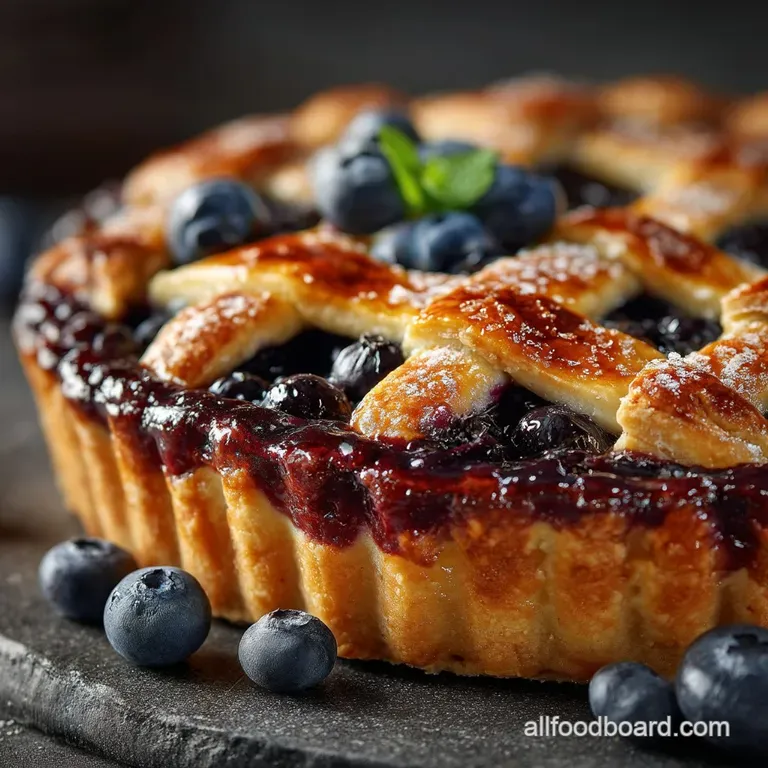
- Why This Blueberry Pie Recipe Stands Above the Rest
- Sourcing Your Elements: Essential Ingredients and Setup
- Part One: Mastering the Laminated All-Butter Pastry Dough
- Part Two: Building the Non-Weeping Blueberry Pie Filling
- Part Three: Assembly and Achieving the Golden Lattice Crust
- Troubleshooting, Storage, and Serving Suggestions
- Recipe FAQs
- 📝 Recipe Card
Why This Blueberry Pie Recipe Stands Above the Rest
A truly great Blueberry Pie is the ultimate kitchen challenge, demanding both technical precision and a gentle touch. This specific Homemade Blueberry Pie recipe is designed to resolve the two most common frustrations home bakers face: a greasy, tough crust and a runny, weeping filling.
We employ classic laminated pastry techniques to ensure a foundation that shatters perfectly upon first bite, complementing the generous, deep dish fruit filling. It’s an approach focused on structure, delivering an irresistible dessert that is as stable and sliceable as it is delicious.
The Secret to a Perfectly Flaky, All-Butter Pastry
The unmatched flakiness of this crust relies entirely on thermal management and the quality of the fat. We use 100% cold, unsalted butter (a full 2 sticks, or 225g) cut into small cubes.
The goal is not to incorporate the butter fully, but to cut it into the 2 ½ cups (315g) of flour until the pieces are mostly pea-sized, with some larger, flat flakes remaining visible.
These distinct pieces of cold fat melt rapidly during the initial high heat bake, releasing steam that physically separates the gluten layers, creating the signature laminated texture that sets this Blueberry Pie Recipe apart.
Eliminating Runny Filling: The Starch & Sugar Balance
The dread of a runny fruit pie is universal. Our solution for a stable Blueberry pie filling focuses on the precise ratio of thickener to fruit volume (6 cups/900g of berries).
We utilize ¼ cup (30g) of cornstarch (or tapioca starch for a clearer finish) to manage the moisture released by the 900g of fruit and ¾ cup (150g) of sugar. Crucially, the addition of 1 tablespoon of fresh lemon juice is not just for flavor; the acid aids in the gelatinization of the starch, ensuring the filling sets firmly as it cools, giving you perfect slices every time.
Celebrating the British Summer Berry Harvest
While Fruit Pie recipes abound globally, this iteration pays homage to the vibrant, slightly tart quality of the best summer berries. The sheer volume of 6 cups of fruit delivers a rich, concentrated flavour that stands up beautifully to the buttery pastry.
By avoiding an overly sweet mixture, we allow the natural tartness of the blueberry to shine, enhancing the freshness. The resulting deep dish presentation makes this pie worthy of any grand seasonal gathering.
Sourcing Your Elements: Essential Ingredients and Setup
Success in pie making begins with high-quality ingredients handled correctly. Getting your setup organized beforehand streamlines the entire "Medium" difficulty process.
Choosing the Best Blueberries (Fresh vs. Frozen Debate)
For the finest flavour and texture, 6 cups (900g) of fresh, firm blueberries are ideal. However, making Blueberry pie with frozen blueberries is entirely acceptable and often necessary outside of peak season.
If you opt for frozen, it is paramount that you do not thaw them before tossing them into the Blueberry pie filling recipe . Using them straight from the freezer minimizes excess liquid release, which could sabotage your filling structure.
Cold Butter is Non-Negotiable: Dairy Selection Tips
The recipe requires 1 cup (225g) of unsalted butter for the dough. This butter must be kept very cold , cut into ½-inch cubes, and returned to the refrigerator until the moment you use it.
Utilizing a high-quality, high fat dairy butter provides superior flavour compared to alternatives like shortening. For the egg wash, 1 tablespoon of milk or heavy cream whisked with one large egg ensures a beautiful, golden brown, even colour, and helps the coarse sugar adhere for a sparkling finish.
Specialized Gear for Pie Perfection (Tools List)
You will need a 9 inch (23 cm) deep dish pie plate to accommodate the generous fruit quantity. A pastry blender or a food processor is highly recommended for efficiently cutting the cold butter into the flour without warming the fat with your hands.
A heavy rolling pin is essential for achieving the uniform ⅛-inch (3 mm) thickness of the dough, and always keep parchment paper handy it’s perfect for chilling and handling the lattice strips before assembly.
Part One: Mastering the Laminated All-Butter Pastry Dough
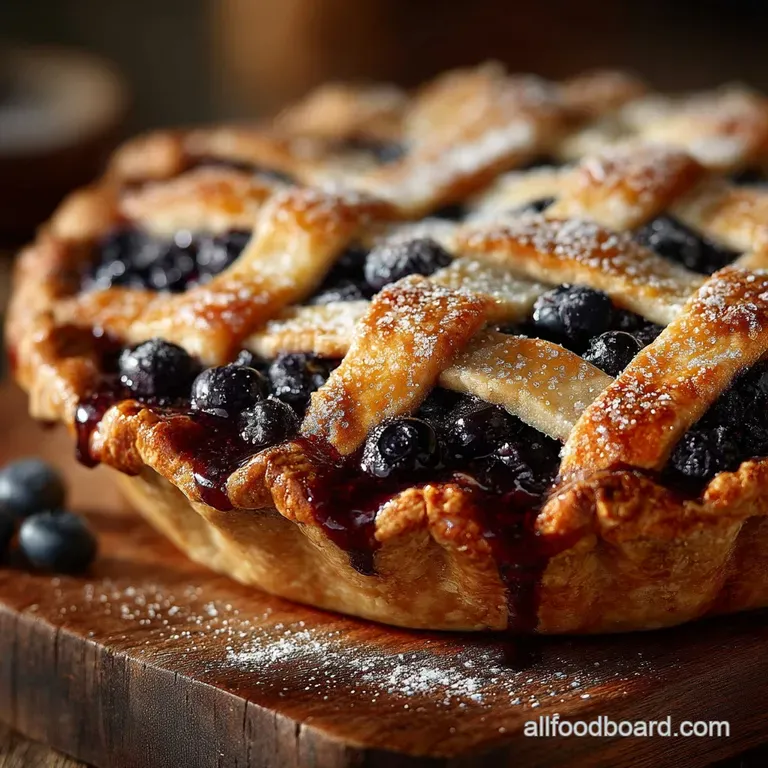
Creating the perfect pie dough is about minimizing effort and maximizing chill time. Begin by whisking together the dry components for the double crust 2 ½ cups of all-purpose flour, 1 teaspoon of fine sea salt, and 1 tablespoon of granulated sugar in a spacious bowl.
Introduce the chilled, cubed butter and use your pastry blender to quickly cut the fat into the dry mixture. This should only take a few minutes. Stop when you have visible, distinct pieces of butter ranging from pea-sized down to small flakes.
Next, slowly drizzle in the ice water (start with ½ cup, 120 ml, adding up to ¾ cup, 180 ml, if necessary). Mix gently with a fork; the dough is ready when it just begins to hold together when squeezed.
Divide the dough immediately into two discs (one slightly larger for the bottom crust), wrap tightly in plastic wrap, and refrigerate for a minimum of 60 minutes.
Related Recipes Worth Trying
- The Ultimate Flaky AllButter Pie Crust Recipe No Fuss — Master the flakiest AllButter Pie Crust recipe using my secret technique icecold butter and a splash of vodka Ditch the shortening for rich buttery perfection
- Cheeky Chicken Pot Pie Rice Bake The Ultimate NoFuss Comfort Casserole — Forget fiddly pastry This creamy Chicken Pot Pie Rice Bake is a proper family favourite Its the ultimate nofuss casserole delivering rich savoury comfort in...
- The Best HighDome Blueberry Muffins with Crumb Topping — Achieve light fluffy bakerystyle blueberry muffins every time Our easy recipe uses a simple temperature trick for that perfect high dome and crunchy...
Part Two: Building the Non-Weeping Blueberry Pie Filling
While the pastry chills, prepare the vibrant Blueberry pie filling . In a large bowl, combine the 6 cups of blueberries. Add ¾ cup (150g) of granulated sugar, ¼ cup (30g) of cornstarch (our thickener), 1 tablespoon of fresh lemon juice, 1 teaspoon of lemon zest, and the pinches of cinnamon and salt.
The addition of cinnamon brings a layer of comforting warmth that beautifully complements the bright fruit flavour. Toss the ingredients very gently, aiming only to coat the berries without crushing them.
The sugar will immediately begin to draw moisture out of the fruit; therefore, the filling should only be prepared right before you are ready to fill the pie shell.
Part Three: Assembly and Achieving the Golden Lattice Crust
This phase combines all your preparation and technique, leading to the visually stunning finished product.
Cutting the Cold Fat and Hydrating the Dough
The successful layering of the dough begins with the efficient method used in Part One. By ensuring the butter remains chunky and distinct before hydration, we guarantee the essential fat pockets necessary for a flaky result.
When adding the measured ice water, integrate it slowly; the precise hydration point is critical the dough should be cohesive but not sticky, minimizing gluten development and preventing a tough crust.
The Critical Steps for Resting and Chilling the Pastry
Resting the two dough discs for 60 to 90 minutes in the refrigerator allows the gluten structure to relax, making the dough much easier to roll without tearing or shrinking.
After rolling out the larger disc into a 12 inch circle and fitting it into the 9 inch pie plate, return the shell to the fridge immediately. This chilling step maintains the dough's temperature and structure before it receives the filling.
A secondary 15-minute freeze of the fully assembled pie right before baking is mandatory; this shock helps prevent the pastry from shrinking away from the dish edges during the initial heat blast.
Preparing the Fruit and Activating the Thickener
Once the bottom crust is settled in the pie plate, gently pour the prepared Blueberry pie filling into the chilled shell. Ensure the berries are distributed evenly. The combination of lemon juice and cornstarch will be fully activated by the oven heat, leading to a firm set once the pie cools.
There is no need to pre-cook the filling for this recipe.
Weaving the Lattice Pattern: A step-by-step Guide
The lattice offers structural support and elegant presentation. Roll the second, slightly smaller dough disc into an 11 inch circle and cut it into 1 inch (2.5 cm) wide strips. Chill these strips while you fill the pie.
Start by placing the centre vertical strip, followed by the remaining vertical strips (usually 5 to 7 strips in total). Then, begin weaving horizontally. Fold back every other vertical strip halfway, place the centre horizontal strip, and unfold the vertical strips.
Repeat this process, alternating the fold pattern, until the entire top is woven. Trim the excess, moisten the crimped edge of the bottom crust, seal the two layers, and use a classic crimp design.
Finish by brushing the top liberally with the egg wash and sprinkling generously with coarse demerara sugar for crunch and sparkle.
Baking Times and Temperatures for a Structural Finish
Baking requires a two-stage temperature approach. Preheat your oven to a high 425°F (220°C). Place the assembled pie on a baking tray (essential for catching drips and ensuring even bottom heat) and bake for the initial 15 minutes.
This high heat rapidly sets the bottom crust and the lattice structure. Then, reduce the heat to 375°F (190°C) and continue baking for another 40– 50 minutes.
The pie is finished when the crust is deep golden brown and the filling is visibly bubbling thickly in the centre, confirming the starches have gelatinized completely.
Troubleshooting, Storage, and Serving Suggestions
Mastering the Homemade Blueberry Pie involves knowing how to manage issues and how to best enjoy the finished product.
Preventing Soggy Bottoms and Edge Burn
The single biggest enemy of a beautiful pie is the soggy bottom. To combat this, ensure the bottom dough is rolled evenly and keep the entire pie very cold before it hits the oven. The pre-bake chill and the initial high heat bake are crucial defences.
If you notice the edges of the crust browning too quickly during the 375°F stage, loosely cover the edges with thin strips of aluminum foil to shield them while the centre finishes cooking. And remember the golden rule: allow a minimum of four hours, or preferably overnight, to cool on a wire rack before slicing.
This wait time is non-negotiable for a structurally perfect Blueberry pie filling .
How to Store Leftover Blueberry Pie (Short and Long Term)
Due to the high sugar and fat content, the finished pie can be kept loosely covered at cool room temperature for up to two days. If you need longer storage, refrigerate the pie for up to four days.
For long term preservation, slice the cooled pie, wrap the individual slices tightly in plastic wrap followed by foil, and freeze for up to three months. Thaw overnight in the refrigerator before serving.
Nutritional Breakdown (Approximate Values)
This rich Fruit Pie is intended as a treat, and the nutritional values reflect the generous use of butter and sugar in the pastry and filling. Based on the estimated 8 generous slices, each serving provides approximately 450 500 kilocalories.
This includes about 22g of fat (primarily saturated fat from the all-butter crust) and around 60g of carbohydrates. These are estimates for a classic, full fat Easy Blueberry Pie .
Flavor Twists: Adding Spice or Alternative Citrus Zests
While this recipe utilizes a classic profile, it is easily adaptable for adventurous bakers. The small addition of ground cinnamon provides a subtle warmth. For a more robust flavour profile, consider swapping out 2 cups of the blueberries for blackberries, or adding 1 teaspoon of a high-quality bourbon to the Blueberry pie filling recipe for a rich, complex note.
Alternatively, replacing the lemon zest with orange or lime zest provides a distinct citrus brightness that works wonderfully with the deep sweetness of the cooked blueberries.

Recipe FAQs
Help! My Blueberry Pie always goes runny when I slice it. What's the secret to a perfect, set filling?
Ah, the dreaded 'weeping' pie a classic baking heartbreak! The secret is truly patience and heat. You must allow the pie to cool for a minimum of four hours or ideally overnight for the cornstarch to fully set into a lovely, sliceable gel.
Also, make sure you see the filling bubbling vigorously in the centre during the last 15 minutes of baking; this high heat activates the starch fully, preventing a soup disaster when you finally cut into it.
I only have frozen blueberries in the freezer can I use them for this recipe?
Absolutely, you can! Frozen blueberries work brilliantly, especially when fresh ones are out of season or cost a king's ransom. The crucial tip is to use them straight from the freezer; do not thaw them first, as this releases too much juice prematurely.
Just toss the frozen berries directly with the starch and sugar, and you may need to add an extra 5-10 minutes to the total baking time to compensate for the colder filling.
I followed the instructions, but my bottom crust is still a bit damp how do I banish the dreaded soggy bottom forever?
That spongy base is the nemesis of every British baker! To combat it, ensure you follow the crucial step of freezing the assembled pie for 15 minutes before baking; this sets the butter solid.
Additionally, starting the oven at a high temperature (425°F/220°C) blasts the bottom crust with immediate heat, setting the structure quickly. For extra insurance, bake the pie on a hot baking stone or a preheated, heavy baking sheet.
It’s a massive pie! How should I store leftover Blueberry Pie, and how long does it last?
A properly baked, cooled fruit pie keeps surprisingly well. You can leave it covered loosely at room temperature (out of direct sun) for up to two days without any bother. If you need to keep it longer for a future cuppa, refrigerate it for up to four days.
Always reheat a chilled slice briefly in a 350°F (175°C) oven for about 10 minutes to bring back the crispness of that gorgeous all-butter pastry.
I want to make this a bit healthier for the family. Can I reduce the sugar in the filling?
You can certainly tailor the sweetness to your liking, especially if your blueberries are brilliantly ripe! Try reducing the granulated sugar in the filling by up to a quarter (taking it down to about ½ cup total).
However, remember that sugar also helps bind the filling and draws out moisture, so do not remove more than 25%, or you risk affecting the final set and structure of your filling.
Flaky Allbutter Blueberry Pie
Ingredients:
Instructions:
Nutrition Facts:
| Calories | 234 kcal |
|---|---|
| Protein | 3.3 g |
| Fat | 10.6 g |
| Carbs | 58.0 g |
| Fiber | 7.2 g |
| Sodium | 5078 mg |
