Easy Lemon Chicken Recipe: Zesty Citrus Glaze
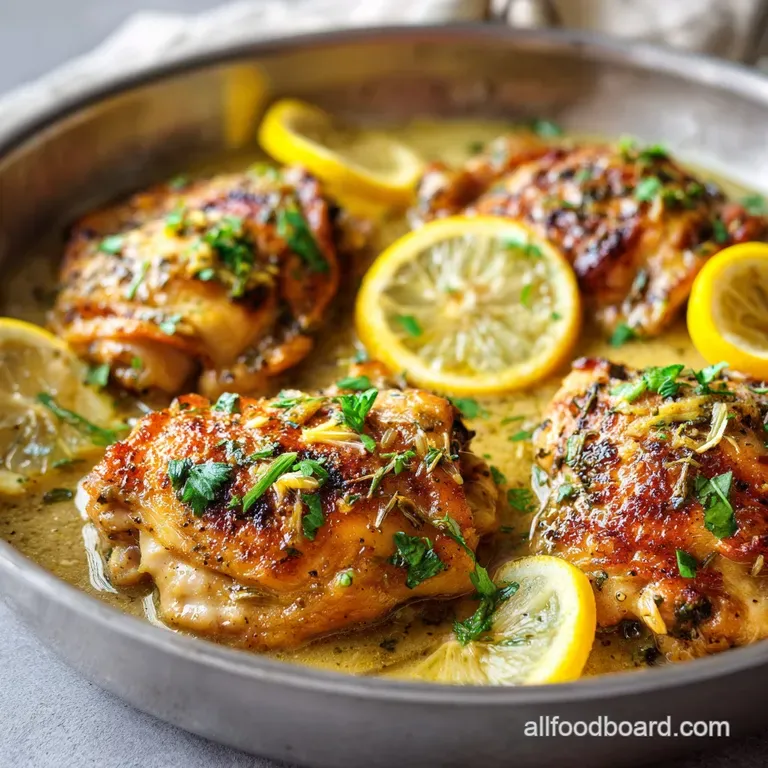
- Time: Active 10 minutes, Passive 15 minutes, Total 25 minutes
- Flavor/Texture Hook: Shattering golden crust with a velvety, zesty citrus glaze
- Perfect for: Busy weeknight dinners, impressive date nights, or simple meal prep
- Why This Quick Lemon Chicken Recipe Saves Weeknights
- The Chemistry of the Cold Butter Mount
- Essential Components for the Zesty Reduction
- Sourcing the Best Ingredients for Success
- Tools for an Effortless Kitchen Flow
- Master the Steps for Golden Results
- Solving Common Kitchen Hurdles and Fails
- Creative Ways to Personalize the Flavors
- Myths Regarding Chicken Searing
- Safe Storage and Zero Waste Ideas
- Fresh Pairings for a Balanced Plate
- Lemon Chicken Recipe FAQs
- 📝 Recipe Card
Why This Quick Lemon Chicken Recipe Saves Weeknights
The sound of 1.5 lbs of chicken hitting a hot pan with a sharp, aggressive sizzle is basically the soundtrack to my life. I remember one specific Tuesday where everything went wrong, the kids were staging a mild rebellion over homework, and I had exactly twenty minutes before someone was going to lose their mind from hunger.
I reached for the lemons sitting on the counter, grabbed some chicken breasts, and realized that if I just sliced them thin enough, they’d cook faster than I could set the table.
That night was a turning point because I stopped overcomplicating dinner. You don't need a heavy marinade or hours of prep to get a deeply savory, bright result. This lemon chicken recipe is my literal "panic button" meal because it relies on basic pantry staples but tastes like something you'd pay thirty bucks for at a bistro downtown.
It’s all about that interaction between the flour coating and the pan juices.
We've all been there, staring at a pack of chicken breasts wondering how to make them not boring. Trust me on this one, once you see how the lemon juice cuts through the richness of the butter, you’ll never go back to plain baked poultry again.
We’re aiming for a sauce that clings to the meat rather than just puddling on the plate. Let’s get into the nitty gritty of why this works.
The Chemistry of the Cold Butter Mount
The Maillard Reaction: Searing the flour dredged chicken at high heat creates a complex, savory crust that provides the structural base for the sauce.
Cold Butter Emulsification: Whisking 2 tbsp of unsalted butter into the hot liquid at the very end prevents the sauce from breaking, resulting in a glossy, thickened glaze.
Acidic Brightness: The lemon juice acts as a chemical surfactant, cutting through the heavy fats and lifting the overall profile of the garlic and bone broth.
| Thickness | Internal Temp | Rest Time | Visual Cue |
|---|---|---|---|
| 1/2 inch | 165°F (74°C) | 3 minutes | Opaque throughout with clear juices |
| 1/4 inch | 165°F (74°C) | 2 minutes | Golden brown exterior, firm to touch |
| 3/4 inch | 165°F (74°C) | 5 minutes | Slight resistance when pressed |
Finding the right thickness for your cutlets is the biggest shortcut to success here. If you keep them uniform, you won't end up with one piece that's dry while the other is still raw in the middle.
I usually put the chicken between pieces of plastic wrap and give them a quick smack with a heavy skillet if they look uneven.
Essential Components for the Zesty Reduction
| Ingredient | Science Role | Pro Secret |
|---|---|---|
| 1/2 cup All purpose flour | Starch barrier | Keeps the meat juicy while providing starch to thicken the pan sauce later. |
| 1 cup Bone broth | Liquid base | Use bone broth over standard stock for higher gelatin content and a richer mouthfeel. |
| 2 tbsp Cold butter | Emulsifier | Adding it cold is non negotiable; it melts slowly to create a creamy texture without separating. |
| 1 large Lemon | Acidic balance | Zest the lemon before juicing to capture the aromatic oils hidden in the skin. |
When you're building a sauce like this, the quality of your broth really matters. If you have time, using a high-quality bone broth provides a certain "stick to your ribs" quality that water or thin stock just can't match. It's similar to the technique I use in my Garlic Butter Chicken recipe where the fat and liquid have to become one happy family.
Sourcing the Best Ingredients for Success
- 1.5 lbs chicken breasts: Sliced into thin cutlets. Why this? Thin slices cook rapidly and maximize the surface area for the golden crust.
- Substitute: Chicken thighs (boneless) for a juicier, fattier result, though they take 4 minutes longer.
- 1/2 cup all purpose flour: For dredging. Why this? Creates the essential "fond" on the pan bottom that flavors the sauce.
- Substitute: Cornstarch for a gluten-free version (use only 1/4 cup).
- 1 tsp kosher salt: Seasoning.
- Substitute: Sea salt, but use 25% less as the grains are finer.
- 1/2 tsp freshly cracked black pepper: For a bit of bite.
- Substitute: White pepper for a milder, earthy heat.
- 2 tbsp avocado oil: For searing. Why this? High smoke point means it won't burn while you're getting that crust golden.
- Substitute: Grapeseed oil or any neutral oil with a high smoke point.
- 3 cloves garlic: Minced fresh.
- Substitute: 1 tsp garlic powder in the flour dredge if you're in a massive rush.
- 1 cup low sodium chicken bone broth: The sauce foundation.
- Substitute: Dry white wine (like Pinot Grigio) for half the broth for a more sophisticated acidity.
- 1 large lemon: Zested and juiced.
- Substitute: 3 tbsp bottled lemon juice, but you'll miss the punch of the fresh zest.
- 2 tbsp unsalted butter: Kept very cold in the fridge until the last second.
- 1 tbsp nonpareil capers: For salty pops of flavor.
- Substitute: Chopped green olives for a similar briny hit.
- 2 tbsp fresh Italian parsley: Finely chopped for a hit of green.
Tools for an Effortless Kitchen Flow
You really don't need much for this. I'm a big fan of the "one pan" philosophy because, honestly, who wants to do more dishes than necessary? A large 12 inch stainless steel or cast iron skillet is your best friend here.
Stainless steel is actually better for this specific dish because it develops "fond" those little brown bits stuck to the pan which are the secret soul of the sauce.
You'll also want a pair of tongs. Using a fork to flip chicken is a recipe for losing your breading and poking holes in the meat, letting the juices escape. If you're looking for a different vibe, you could even use the same flavor profile when learning How To Roast recipe for a Sunday feast, but for the quick version, the skillet is king. A simple zester or microplane is also a lifesaver for getting that yellow skin off the lemon without hitting the bitter white pith underneath.
Master the Steps for Golden Results
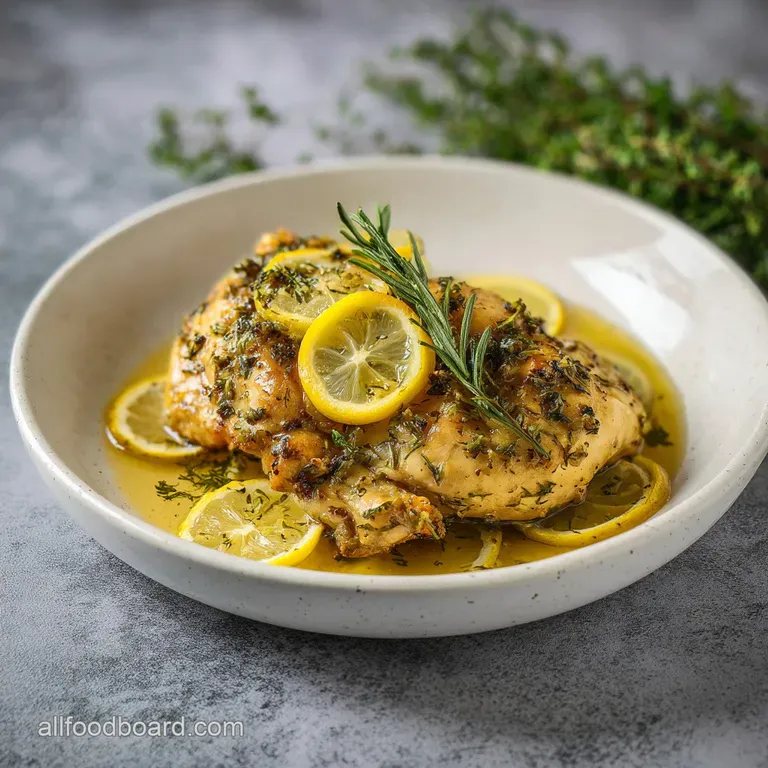
1. The Prep and Flattening Phase
Pat the 1.5 lbs chicken breasts dry with paper towels. Slice them into thin cutlets and, if they are uneven, gently pound them to a 1/2 inch thickness. Note: Dry meat sears; wet meat steams. Don't skip the paper towels.
2. The Dredging Process
Whisk the 1/2 cup flour, 1 tsp salt, and 1/2 tsp pepper in a shallow dish. Dredge each piece of chicken, shaking off any excess. Note: A thin, even coating is better than a thick, clumpy one.
3. The over High heat Sear
Heat 2 tbsp avocado oil in your skillet over medium high heat until it shimmer. Add chicken in batches, being careful not to overcrowd.
4. Achieving the Crust
Cook for 3 to 4 minutes per side until the edges are golden and the coating is crisp. Remove the chicken to a plate and tent with foil.
5. Managing the Aromatics
Lower the heat to medium and add the 3 minced garlic cloves to the remaining oil. Sauté for 30 seconds until fragrant but not browned.
6. Deglazing the Pan
Pour in 1 cup bone broth and the lemon juice, scraping the bottom of the pan with a wooden spoon to loosen those brown bits.
7. The Reduction Phase
Simmer the liquid for 5 minutes until the volume has reduced by half and the sauce starts to thicken.
8. The Finishing Emulsion
Drop in the 1 tbsp capers and the 2 tbsp cold unsalted butter. Whisk constantly until the butter has melted and the sauce looks velvety and glossy.
9. Recombining the Flavors
Place the chicken back into the skillet, spooning the sauce over each piece. Let it sit for 1 minute to warm through.
10. The Final Flourish
Garnish with the 2 tbsp fresh parsley and a sprinkle of lemon zest before serving immediately.
Solving Common Kitchen Hurdles and Fails
Why Your Chicken Coating Is Soggy
This usually happens because the pan wasn't hot enough when you added the meat. If the oil isn't shimmering, the flour absorbs the fat instead of crisping up. Another culprit is overcrowding; if the pieces are touching, they trap steam, which kills the crunch. Work in two batches if you have to.
Achieving a Silky Sauce Texture
If your sauce looks thin or watery, you likely didn't reduce the broth enough before adding the butter. The reduction phase is where the flavor concentrates. On the flip side, if the sauce breaks (looks oily and separated), your heat was too high when you added the butter.
Always pull the pan off the burner for a second before whisking in cold butter to keep things stable.
| Problem | Root Cause | Solution |
|---|---|---|
| Bitter flavor | Hit the lemon pith | Only grate the yellow part of the lemon skin, avoiding the white layer. |
| Flour clumping | Added liquid too fast | Pour broth slowly while scraping the pan to integrate the flour bits smoothly. |
| Dry chicken | Overcooked meat | Pull chicken at 160°F; carryover cooking will bring it to the safe 165°F. |
Common Mistakes Checklist
- ✓ Pat the chicken completely dry before dredging (moisture is the enemy of a sear).
- ✓ Shake off every bit of excess flour so you don't get a "gummy" exterior.
- ✓ Wait for the oil to shimmer if it doesn't sizzle instantly, the pan is too cold.
- ✓ Use cold butter for the sauce; room temp butter will melt too fast and break the emulsion.
- ✓ Don't skip the rest time; 3 minutes allows the juices to redistribute so they don't flood the plate.
Creative Ways to Personalize the Flavors
Scaling this recipe is pretty straightforward. If you're cooking for two, just halve everything, but keep an eye on the sauce reduction it will happen much faster in a large pan with less liquid.
If you're doubling it for a crowd, work in batches for the searing, but you'll need to use a slightly larger pot or a deep braiser to hold all the sauce and meat at the end. For spices, don't just double the salt; start with 1.5x and adjust at the end so you don't over season.
| Method | Time | Texture | Best For |
|---|---|---|---|
| Stovetop Skillet | 25 minutes | Crispy and saucy | Traditional weeknight dinner |
| Air Fryer | 15 minutes | Extra crunchy | Healthy lemon chicken recipe |
| Sheet Pan | 30 minutes | Roasted and tender | Large family meal prep |
If you want to try a different spin, I sometimes add a splash of heavy cream at the very end to turn this into a creamy lemon chicken. It’s a bit more indulgent, but on a cold night, it’s exactly what the doctor ordered. If you enjoy this flavor profile, you might find that it works surprisingly well in other contexts too, like a quick version of a Homemade Chicken Korma recipe where citrus and spices play together.
Myths Regarding Chicken Searing
One of the biggest tall tales in the kitchen is that searing meat "seals in the juices." Science tells us that's simply not true moisture is lost the moment the meat hits the heat.
The actual reason we sear is for the Maillard reaction, which is a chemical reaction between amino acids and reducing sugars that gives browned food its distinctive flavor. We aren't sealing anything; we're building a flavor profile.
Another myth is that you should never use a stainless steel pan because "everything sticks." The trick is to wait. If the chicken is sticking to the pan, it’s not done searing. Once a proper crust has formed, the meat will naturally release itself from the surface.
If you're tugging at it, leave it alone for another minute!
Safe Storage and Zero Waste Ideas
Storage: You can keep leftovers in an airtight container in the fridge for up to 3 days. When reheating, do it gently on the stovetop with a splash of extra broth. Microwaving tends to turn the chicken rubbery and makes the sauce disappear into the meat.
I don't recommend freezing the finished dish, as the butter based sauce will likely separate and lose its velvety texture when thawed.
Zero Waste: Don't throw away those squeezed lemon halves! Toss them into a jar of white vinegar for a week to make a citrus scented natural cleaner, or put them down the garbage disposal to freshen things up.
If you have extra parsley stems, save them in a bag in the freezer for the next time you make a batch of stock. Even the leftover flour dredge (if it hasn't touched the raw meat yet) can be used to thicken a soup later in the week.
Fresh Pairings for a Balanced Plate
This chicken is a total star, but it needs a supporting cast that won't compete with the lemon. I usually serve this over a bed of angel hair pasta or a simple pile of mashed potatoes anything that can soak up that extra liquid gold.
If you're going for a low carb vibe, zoodles or roasted asparagus are fantastic options.
A crisp, cold salad with a simple vinaigrette is also a great way to balance the richness of the butter sauce. Honestly, I've even served this with just a big hunk of crusty sourdough bread to mop up the pan. It's the kind of meal that makes you feel like a kitchen genius without requiring a culinary degree.
Enjoy the sizzle, and don't forget to zest that lemon before you cut it it’s a mistake I only made once, and trust me, zesting a squeezed lemon is a task I wouldn't wish on my worst enemy!

Lemon Chicken Recipe FAQs
What are the three essential ingredients in basic lemon chicken?
Chicken, lemon, and flour for dredging. You need the protein base, the primary acid/flavor source, and a starch to create the initial crust and thicken the pan sauce later.
What does putting lemon on chicken do chemically?
The acid brightens the flavor and tenderizes the meat slightly. The citric acid cuts through the richness of the fats used for searing, providing a necessary flavor balance that elevates the savory crust.
Which is the most famous chicken dish in the world?
There is no single, definitive answer, but Roast Chicken is globally recognized. Dishes like Chicken Tikka Masala and Fried Chicken also have massive international fame, proving popularity varies heavily by region.
What spices enhance the flavor of lemon chicken beyond salt and pepper?
Garlic, fresh parsley, and capers provide the best enhancement. Garlic builds the aromatic foundation during the deglazing step, while capers add necessary salty pops of brine that complement the bright lemon.
How do I ensure my lemon chicken sauce doesn't break or separate?
Incorporate the butter off the heat using the cold butter mount technique. Whisking in very cold butter slowly off the heat creates a stable emulsion, resulting in a glossy, velvety sauce rather than an oily one.
How to get a deep, restaurant quality sear on the chicken cutlets?
Heat the oil until it shimmers, then add the dredged chicken without overcrowding the pan. If you are looking for a different flavor application using high heat, see how the same principle works when learning Asian Zing marinade recipe.
Is it true I must use broth instead of just water for the pan sauce?
Yes, using quality broth is non-negotiable for deep flavor. Broth, especially bone broth, contains natural gelatin that thickens the sauce significantly more than water while adding savory richness that water cannot replicate.
Easy Lemon Chicken Recipe
Ingredients:
Instructions:
Nutrition Facts:
| Calories | 361 kcal |
|---|---|
| Protein | 42.2 g |
| Fat | 16.9 g |
| Carbs | 8.1 g |
| Fiber | 0.5 g |
| Sugar | 1.1 g |
| Sodium | 688 mg |
