Classic Pound Cake: Dense and Velvety
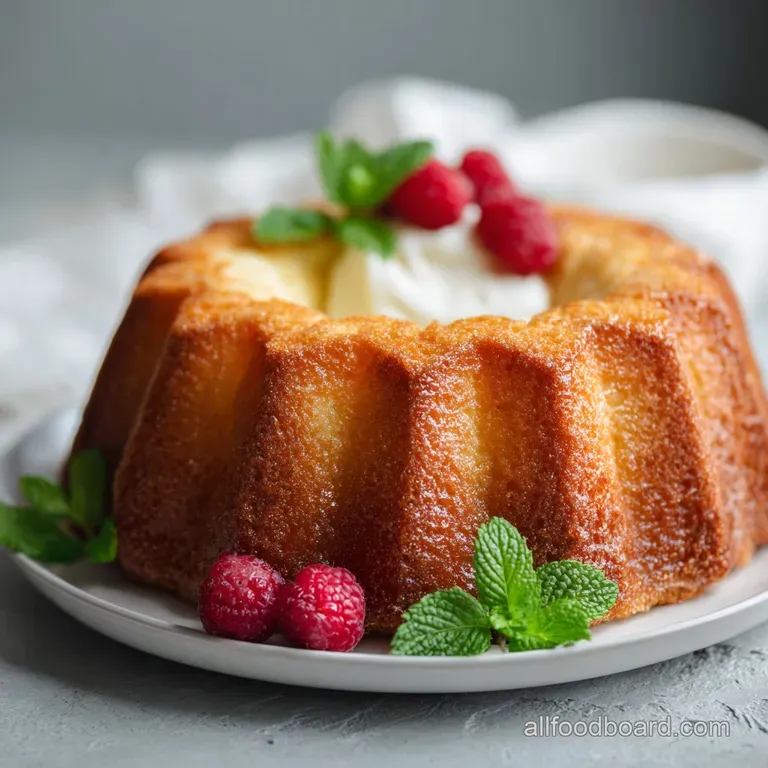
- Time: Active 20 minutes, Passive 75 minutes, Total 95 minutes
- Flavor/Texture Hook: Buttery, dense, and velvety with a rustic golden crust
- Perfect for: Holiday gatherings, afternoon tea, or as a base for seasonal berries
- The Secret to a Perfect Classic Pound Cake
- Why This Works
- Component Analysis and Ingredient Roles
- Selecting the Finest Pantry Essentials
- Tools for a Successful Bake
- Creating the Perfect Golden Loaf
- Mastering the Dense Velvety Crumb
- Adjusting for Different Occasions
- Debunking Traditional Baking Beliefs
- Storage and Sustainable Kitchen Tips
- Creative Flavor Variations
- Elegant Serving Suggestions
- Recipe FAQs
- 📝 Recipe Card
The Secret to a Perfect Classic Pound Cake
The smell of a cake baking in a cold oven is unlike anything else. It starts as a faint, sweet whisper of vanilla and butter that slowly fills every corner of the house as the temperature climbs.
When I pull this heavy, flour dusted pan from the rack, the crust is a deep, burnished gold, almost like a toasted shortbread. It has that characteristic crack along the top, a rustic signature that promises a crumb so dense and velvety it feels like a luxury with every bite.
There is something so nostalgic about the weight of a traditional loaf. It reminds me of childhood afternoons in a sunlight streaked kitchen, watching butter and sugar transform into pale, airy clouds in a stand mixer. This isn't a light, airy sponge cake that vanishes the moment you eat it.
This is a substantial, soulful bake that demands you slow down, brew a pot of coffee, and appreciate the simple beauty of high-quality ingredients working in harmony.
Getting that velvety texture requires patience. We aren't just mixing ingredients, we are building a structure of microscopic air bubbles trapped in fat. If you rush the creaming or add your eggs too fast, the whole thing can lose its magic.
But when you get it right, the result is a cake that stands tall, tastes purely of butter and sugar, and keeps its moisture for days. Let's get into what actually makes this recipe a staple in any baker's repertoire.
Why This Works
- Aeration Through Friction: Beating the butter and sugar for a full 5 to 7 minutes allows the sugar crystals to carve tiny air pockets into the fat, creating the lift needed without chemical leaveners.
- Cold Start Method: Starting in a cold oven allows the batter to heat gradually, giving the internal structure time to expand fully before the outer crust sets and hardens.
- Protein Stabilization: Using a full pound of eggs provides the necessary protein to trap the air bubbles created during creaming, ensuring the cake doesn't collapse.
- Double Sifting: Sifting the flour twice introduces air and breaks up any clumps, ensuring the flour incorporates instantly without the need for overmixing.
| Method | Time | Texture | Best For |
|---|---|---|---|
| Standard Oven | 75 minutes | Classic dense crumb | Traditional presentation |
| Stovetop (Water Bath) | 90 minutes | Ultra moist, pale | Preventing a thick crust |
| Convection Oven | 60 minutes | Thicker, darker crust | Lovers of a crunchy exterior |
Choosing the right method depends on your personal preference for the crust. The standard oven method, particularly starting from room temperature, creates that iconic "shatter" on the surface that makes a Classic Pound Cake so distinct. It creates a beautiful contrast between the crunchy top and the silky interior.
Component Analysis and Ingredient Roles
| Ingredient | Science Role | Pro Secret |
|---|---|---|
| Unsalted Butter | Provides fat and structure | Use European style butter for higher fat content and less water |
| Large Eggs | Emulsification and lift | Weigh your eggs to ensure you have exactly 1 lb (about 9 eggs) |
| All Purpose Flour | Builds the crumb structure | Sift twice to prevent "flour pockets" in the dense batter |
| Granulated Sugar | Sweetness and aeration | Use fine granules to create more air pockets during creaming |
The balance of these four pillars is what defines the recipe. If any one of them is off by even an ounce, the texture shifts from velvety to either crumbly or gummy. Trusting the weight rather than volume is the most important step for success here.
Selecting the Finest Pantry Essentials
- 1 lb unsalted butter, softened to 65°FWhy this? At this temperature, butter is pliable enough to hold air without melting into grease.
- 1 lb granulated white sugarWhy this? The sharp edges of the crystals are necessary for the creaming process.
- 1 lb large eggs, room temperature (approx. 9 eggs)Why this? Cold eggs will curdle the butter and break the emulsion.
- 1 lb all purpose flour, sifted twiceWhy this? Sifting ensures a light, uniform distribution of flour throughout the heavy batter.
- 2 tbsp pure vanilla extractWhy this? Provides the aromatic backbone that makes the butter flavor pop.
- 1 tsp fine sea saltWhy this? Balances the sweetness and enhances the natural richness of the butter.
Substitutes and Alternatives
| Original Ingredient | Substitute | Why It Works |
|---|---|---|
| Unsalted Butter | Salted Butter | Works well, but reduce the added sea salt to a tiny pinch |
| All Purpose Flour | Cake Flour | Creates an even finer, tighter crumb. Note: Cake is more fragile |
| Vanilla Extract | Almond Extract | Use only 1 tsp. Note: Adds a strong, nutty cherry like aroma |
When making substitutions, keep in mind that the Classic Pound Cake relies on the specific protein content of all purpose flour. Swapping for gluten-free flour is possible, but you will need a blend that includes xanthan gum to mimic the structure. Much like the technique used in my homemade breakfast biscuits, handling the flour with care is the difference between a tender bite and a tough one.
Tools for a Successful Bake
To achieve that rustic, flour dusted look, you need a heavy duty pan. A 10 inch tube pan is the traditional choice because the center chimney allows heat to reach the middle of the dense batter quickly.
If you use a Bundt pan, ensure it has a large capacity; this batter is heavy and will overflow a standard small decorative mold.
A stand mixer is almost non negotiable for this recipe. Beating butter and sugar for 7 minutes by hand is a workout that most of us aren't prepared for, and the consistency won't be as uniform. You'll also want a fine mesh sieve for that mandatory double sifting of the flour.
A digital scale is your best friend here, ensuring that your "pound" of ingredients is truly accurate.
Creating the Perfect Golden Loaf
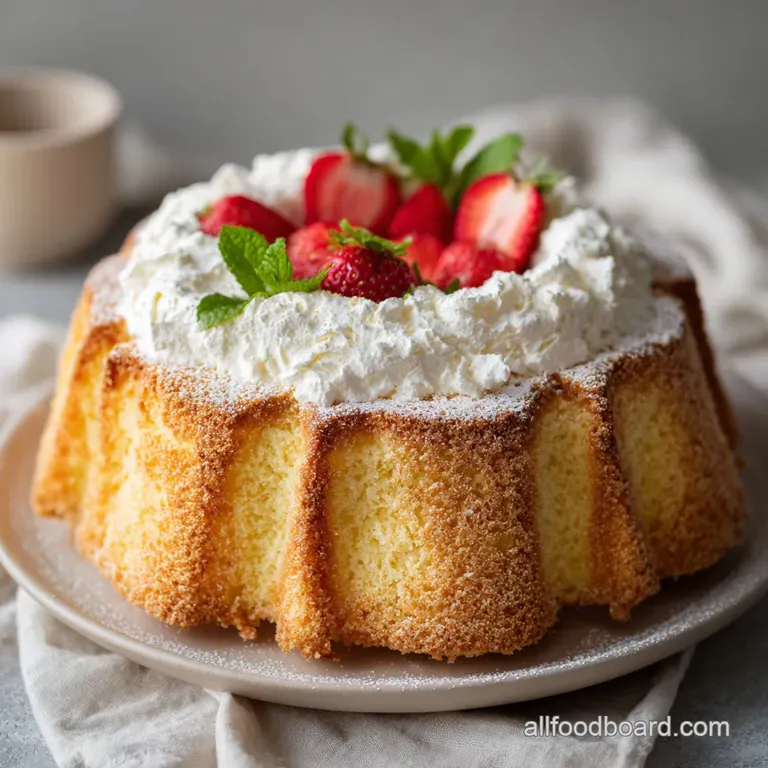
- Generously grease a 10 inch tube pan or large Bundt pan with softened butter, ensuring every crevice is covered. Dust with a light coating of flour and tap out the excess. Note: This prevents the cake from sticking to the intricate designs of the pan.
- Place the softened butter and granulated sugar in the bowl of a stand mixer fitted with the paddle attachment. Cream on medium high speed for 5–7 minutes until the mixture is pale, fluffy, and significantly increased in volume.
- Reduce the mixer speed to medium low. Add the room temperature eggs one at a time, allowing each egg to fully incorporate before adding the next to maintain a stable emulsion.
- Sift together the flour and salt. With the mixer on its lowest setting, gradually add the flour to the batter, mixing just until the last streaks of white disappear.
- Fold in the vanilla extract using a rubber spatula, scraping the bottom and sides of the bowl to ensure a uniform batter.
- Pour the batter into the prepared pan and smooth the top with a spatula.
- Place the pan in a cold oven and set the temperature to 325°F (165°C). Bake for 1 hour and 15 minutes until a long skewer inserted into the center comes out clean.
- Allow the cake to cool in the pan for 15–20 minutes until the sides begin to pull away slightly.
- Carefully invert the cake onto a wire rack to cool completely.
Chef's Tip: If you see the batter starting to look "curdled" when adding eggs, toss in a tablespoon of your weighed flour. This helps re bind the fat and liquid, saving the emulsion before it breaks completely.
Mastering the Dense Velvety Crumb
One of the biggest hurdles with a Classic Pound Cake is the "gummy streak" at the bottom. This usually happens when the eggs are too cold or the butter wasn't creamed long enough. When cold eggs hit creamed butter, the fat seizes up, and the air you worked so hard to incorporate just vanishes.
Another common issue is a cake that is too dry. This often comes from overbaking or using a "hot start" oven. The cold start method is the remedy here. It allows the center of the cake to cook through without the edges becoming parched.
If your oven runs hot, check the cake at the 60 minute mark to ensure the top isn't browning too quickly.
Solving Common Baking Hurdles
| Problem | Root Cause | Solution |
|---|---|---|
| Sunk in the middle | Oven door opened too early | Do not open the oven until at least 60 minutes have passed |
| Gummy bottom layer | Incomplete emulsion | Ensure eggs and butter are both at room temperature (65°F) |
| Thick, hard crust | Sugar not creamed enough | Cream butter and sugar for the full 7 minutes until pale |
Common Mistakes Checklist
- ✓ Never skip the sifting step, as it prevents clumps in this thick batter.
- ✓ Ensure the butter is exactly 65°F; too soft and it won't hold air.
- ✓ Don't rush the egg addition - one at a time is the golden rule.
- ✓ Avoid overmixing once the flour is added to prevent gluten development.
- ✓ Use a cold oven start to allow for a more even rise.
Adjusting for Different Occasions
If you want to scale this recipe down for a smaller household, you can halve the ingredients and use a standard 9x5 inch loaf pan. Reduce the baking time to about 50 to 55 minutes.
When scaling up for a large party, it is better to bake two separate cakes rather than trying to fit a double batch into one pan. The weight of a double batch often crushes the air bubbles, resulting in a leaden texture.
For those looking for a different profile, you might enjoy my Chocolate Peppermint Bundt Cake recipe which uses a similar high fat base but incorporates cocoa for a richer finish. When scaling, always keep the salt and vanilla at a 1.5x ratio rather than a full 2x to avoid overpowering the delicate butter flavor.
Debunking Traditional Baking Beliefs
Many believe that you must use baking powder to get a pound cake to rise. This is a myth. A true Classic Pound Cake relies entirely on the mechanical leavening of the creamed butter and the steam from the eggs.
Adding baking powder changes the crumb from velvety and dense to something more akin to a standard birthday cake.
Another misconception is that the oven must be preheated. For many cakes, this is true, but for the pound cake, the cold start is a traditional technique that prevents the "dome" from cracking prematurely and allows the heat to penetrate the dense core slowly. It results in a much more level and evenly cooked slice.
Storage and Sustainable Kitchen Tips
Storage: This cake actually tastes better on day two. Wrap it tightly in plastic wrap and store it at room temperature for up to 4 days. For longer storage, you can freeze individual slices wrapped in foil and placed in a freezer bag for up to 3 months.
To reheat, simply let the slice come to room temperature or give it a 10 second zap in the microwave for a "just baked" warmth.
Zero Waste: If you find yourself with leftover slices that have gone a bit stale, don't toss them! Stale pound cake makes the world's best French toast or trifle base. You can also toast cubes of the cake in the oven to make "sweet croutons" for a fruit salad.
Even the crumbs at the bottom of the pan can be saved and toasted to sprinkle over vanilla ice cream.
Creative Flavor Variations
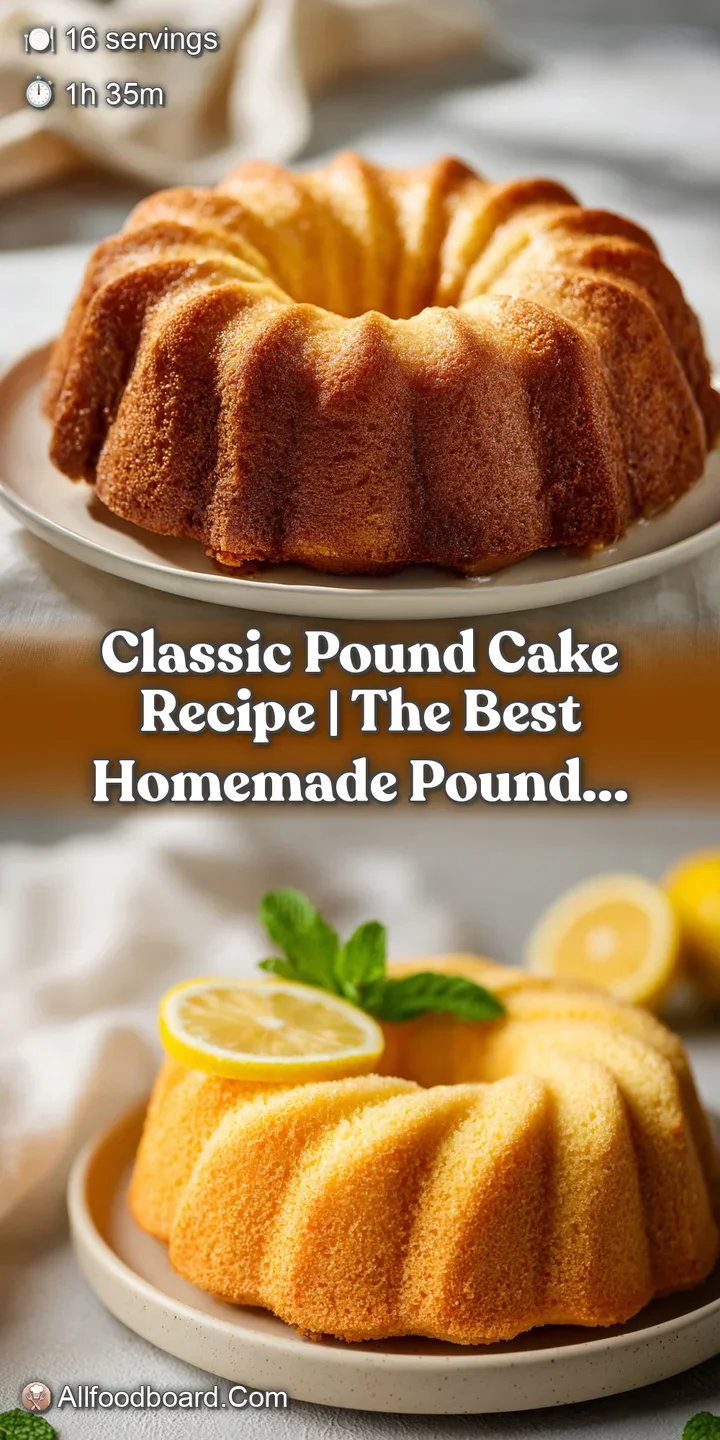
- Infusing with Bright Citrus: Add the zest of two lemons and 1 tablespoon of lemon juice to the batter along with the vanilla for a zesty, refreshing twist.
- Swirling in Rich Chocolate: Melt 4 ounces of dark chocolate and swirl it into the final batter before baking for a marbled effect.
- Aromatic Spices: Add 1 teaspoon of ground cardamom and a pinch of nutmeg for a warm, autumnal flavor profile that pairs beautifully with hot tea.
If you are serving this at a fancy dinner, perhaps following a main course like my restaurant style crab cakes, keep the presentation simple. A light dusting of powdered sugar or a dollop of softly whipped cream is all this cake needs to shine.
Elegant Serving Suggestions
The beauty of a Classic Pound Cake lies in its versatility. While it is stunning on its own, it serves as a blank canvas for seasonal toppings. In the summer, macerated strawberries and a splash of balsamic vinegar bring out the richness of the butter.
In the winter, a warm caramel sauce or a spoonful of lemon curd adds a bright, comforting contrast.
If you are hosting a brunch, serve thick slices toasted with a bit of extra salted butter on top. The edges will caramelize, creating a texture that is crunchy, buttery, and absolutely irresistible. No matter how you serve it, the key is to let the cake shine as the star of the show.
Enjoy every flour dusted, buttery bite!
Recipe FAQs
What is a traditional pound cake?
It is a dense, buttery cake defined by its equal weight ratio. The name comes from the original recipe, which historically called for one pound each of butter, sugar, eggs, and flour.
Is it suitable for a diabetic diet?
No, this cake is not recommended for diabetics. It contains a high volume of granulated sugar and refined flour, which significantly impact blood glucose levels.
What is the secret to a good pound cake?
The secret lies in the long creaming process. You must cream the butter and sugar for 5 7 minutes until pale and fluffy to build the structure, similar to how you build a flavor base for our classic comfort food; if you mastered the emulsion of fat and air here, you can apply that same technique to achieve perfect textures in other baked goods.
What are the 4 main ingredients?
The four core ingredients are butter, sugar, eggs, and flour. Each component is used in equal weight to provide the signature density and rich flavor profile.
How to ensure the cake doesn't stick to the pan?
Grease the pan thoroughly with softened butter and dust it with flour. Ensure you cover every single crevice before tapping out the excess flour to create a seamless release.
How to fix a cake that turned out too dense?
Check your egg incorporation and mixing speed. If you added eggs too quickly or overmixed the flour, you likely collapsed the air bubbles created during the creaming stage.
How to store the cake for the best flavor?
Wrap the cake tightly in plastic wrap and store it at room temperature. It actually tastes better on the second day once the moisture and flavors have had time to redistribute evenly.
Classic Pound Cake
Ingredients:
Instructions:
Nutrition Facts:
| Calories | 455 kcal |
|---|---|
| Protein | 6.4 g |
| Fat | 25.7 g |
| Carbs | 49.5 g |
| Fiber | 0.8 g |
| Sugar | 28.1 g |
| Sodium | 188.4 mg |
