Soul Food Southern Recipes: Mamas Golden Skillet Cornbread
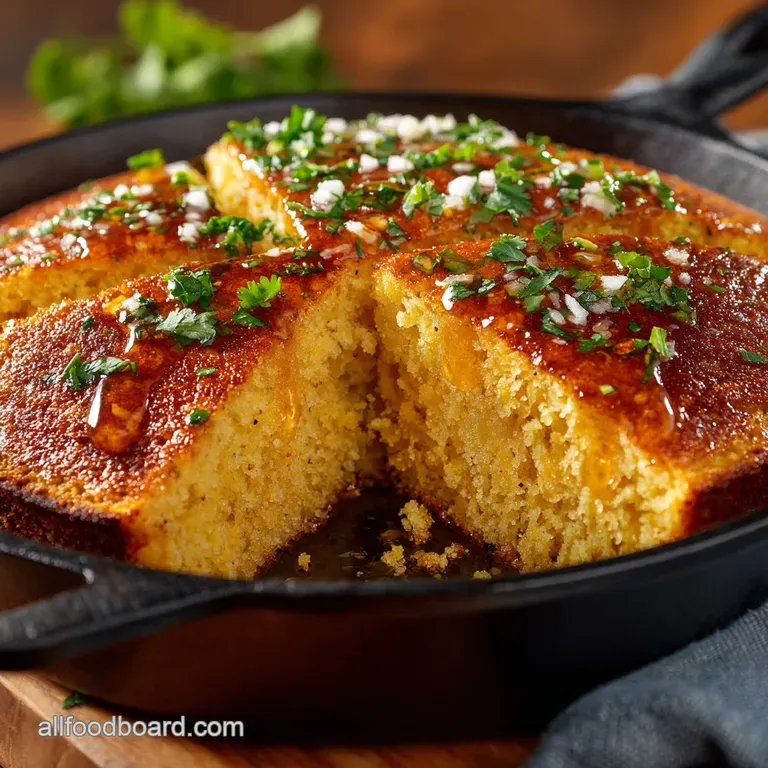
- The Essential Southern Cornbread: A True Soul Food Staple
- The Science of Crumb: Why This Cornbread Rises and Crumbles Perfectly
- Essential Ingredients for Authentic Southern Cornbread
- Mastering Mama's Golden Skillet Cornbread: Step-by-Step Method
- Troubleshooting and Expert Secrets for Perfect Cornbread
- Keeping Your Staple Fresh: Storage and Longevity
- Pairing Perfection: What to Serve Alongside Soul Food Southern Recipes
- Recipe FAQs: Soul Food Southern Recipes
- 📝 Recipe Card
The Essential Southern Cornbread: A True Soul Food Staple
When that cast iron skillet starts heating, the smell of sizzling fat and sweet cornmeal is the first sign of a proper soul food feast. It’s warm, it’s comforting, and honestly, it’s the smell of home no matter where you grew up. That golden, crunchy crust combined with the moist, tangy interior?
Absolute perfection.
This isn't just a recipe; it’s a total lifesaver for weeknights when you need a hearty side dish to stretch a meal. It's incredibly cheap to make, and if you can stir, you can nail this recipe, I promise you.
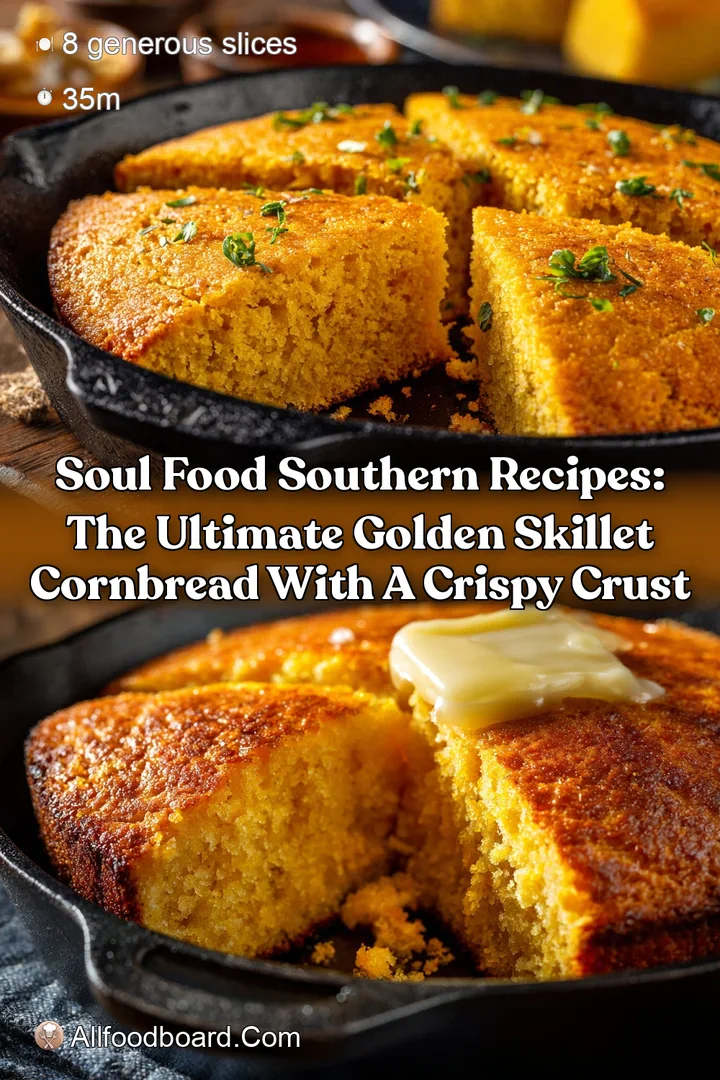
We’re talking 35 minutes start to finish for a deep South staple that blows the doors off those pale, crumbly supermarket versions.
So ditch the sugar, pull out your heaviest skillet, and let's dive into the real deal: the essential, slightly tangy, perfectly structured Soul Food Southern Recipes staple. This is how Southern Grandma Recipes are truly made, focusing on texture and real corn flavour over cloying sweetness.
The Science of Crumb: Why This Cornbread Rises and Crumbles Perfectly
This isn't magic, darling, it's chemistry and a bit of heat! The key to exceptional cornbread lies in four simple rules that ensure you get that deep, crispy crust and that light, delicate crumb every single time.
Forget everything you learned about mixing cakes; this Old Southern Recipe Deep South Dish requires a different kind of finesse.
Defining True Southern Cornbread: Not Too Sweet
Real Southern cornbread, the kind that anchors any soul food spread, is savory, not sweet. If you look at those recipes calling for a full cup of sugar, you’re looking at a cake, not cornbread! We want the complex flavour of the cornmeal and the tang of the buttermilk to be the heroes of this story.
Why the Cast Iron Skillet is Non-Negotiable
If you try to bake this in a standard metal or glass pan, you will end up with a soggy bottom. The cast iron skillet is crucial because it retains heat like a maniac. It creates that intense, blazing hot surface contact needed for instant crust formation, giving you golden, almost fried edges.
Historical Context of Soul Food Southern Recipes
Soul food southern cooking is built on necessity, ingenuity, and maximizing flavour from simple pantry staples. Cornbread evolved from the Native American staple of corn pone, becoming a cornerstone of the post slavery diet in the Deep South.
It needed to be sturdy enough to stand up to heavy stews and pot liquor, providing much needed sustenance that’s why it’s never been about sweetness.
The Buttermilk Secret: Achieving the Signature Tang and Lift
Buttermilk is non-negotiable here. It provides that essential, slightly acidic tang that defines good southern cornbread. More importantly, the acid in the buttermilk reacts fiercely with the baking soda, giving the bread an immediate, robust lift and a wonderfully light texture, without the need for excessive mixing.
Maximizing Crispy Edges Through Fat Temperature
The moment the batter hits the hot fat in the screaming hot skillet, the edges begin to "fry." This is the secret handshake of great cornbread. Do not skimp on preheating the skillet and the fat together.
If you pour the batter into a cold pan, the fat just sits there and you get a pale, greasy edge instead of a crispy, golden one.
Balancing Cornmeal Texture for Optimal Crumb Structure
We use a 1:1 ratio of medium grind cornmeal to all-purpose flour. The cornmeal provides the signature grainy texture, while the flour adds just enough gluten structure to prevent the bread from crumbling into dust the second you touch it. It’s all about finding that perfect, reliable middle ground.
Essential Ingredients for Authentic Southern Cornbread
We aren't making anything complicated here. The beauty of black southern soul food recipes is their reliance on simple, high-quality ingredients.
| Ingredient | Role | Viable Substitute |
|---|---|---|
| Yellow Cornmeal | Texture and flavour base | Use a coarser grind, but avoid instant corn flour/masa harina. |
| All-Purpose Flour | Structure and stability | 1:1 gluten-free blend (texture will be more crumbly). |
| Buttermilk | Tang and Lift | Whole Milk + 1 Tbsp White Vinegar/Lemon Juice per cup. |
| Bacon Grease | Deep Southern flavour, heat transfer | over High heat neutral oil (canola, vegetable) or clarified butter. |
| Leaveners (Soda/Powder) | Rise | Ensure they are fresh! If not, the cornbread will be flat. |
Cornmeal Selection: White vs. Yellow and Grind Size
I prefer yellow cornmeal because it has a slightly richer colour and a more pronounced flavour, but white cornmeal is just as traditional in some regions. The grind size is key: medium grind works best. Fine grinds can make the texture gummy, and extra coarse grinds can feel too gritty.
Best Fats: Clarifying the Role of Butter and Bacon Grease
For true soul food southern cooking, bacon grease is the gold standard. It imparts a salty, savoury depth that elevates the entire dish. If you don't keep a jar of saved grease (you should!), use vegetable shortening or over high heat oil.
Using straight butter for the pan can lead to burning, as its milk solids can scorch before the cornbread is done.
Dairy Considerations: Full Fat Buttermilk is Key
Please use full fat buttermilk if you can find it. The extra fat content adds richness and prevents the final loaf from tasting dry. Also, make sure your buttermilk is roughly room temperature before mixing. Cold dairy can seize up the batter and affect the rise.
Quick Fixes: Ingredient Swaps That Won't Ruin the Texture
If you’ve run out of baking soda but have baking powder, you can usually swap them out by tripling the amount of baking powder, but honestly, it’s best to stick to the original combination. The interplay between the soda and the buttermilk is essential for this recipe’s signature loft.
Mastering Mama's Golden Skillet Cornbread: step-by-step Method
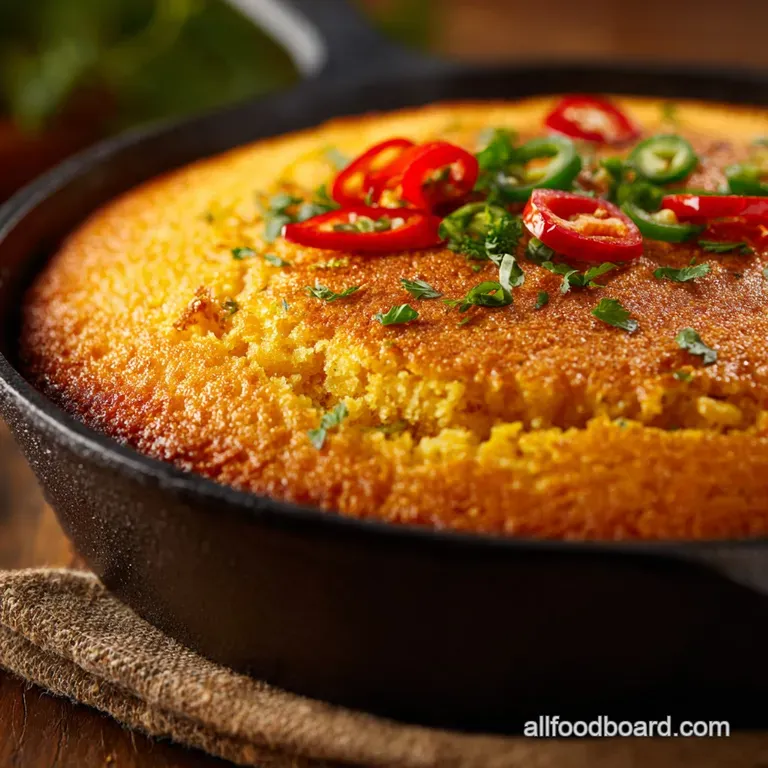
This is the fastest, most straightforward recipe you’ll ever make. The only hard part is remembering to preheat the skillet!
Preparing the Batter: The Gentle Mix Rule
Whisk your dry ingredients thoroughly first. This ensures the baking soda and powder are evenly distributed. Then, lightly whisk your eggs and buttermilk separately before combining the wet and dry. This is a quick mix! Lumps are fine.
When I first started baking, I used to mix cornbread until it was silky smooth, and it always came out tough as old boots. Don't do that.
Achieving the 'Blazing Hot' Skillet Foundation
While your oven is preheating to 425°F, place your cast iron skillet on a burner and let it heat up for about five minutes. Add 2 tablespoons of bacon grease (or oil) and swirl it around. Transfer the whole skillet fat and all into the oven for another five to seven minutes.
You want the fat shimmering, almost smoking.
The Critical Timing for Transferring and Baking
Work fast! Carefully pull the skillet out of the oven. Immediately pour the prepared batter directly into the centre of the hot skillet. You should hear a beautiful, satisfying sizzle as the batter hits the hot grease. This is the moment of truth that guarantees your crispy crust.
Get it back into the oven right away.
Testing Doneness and Cooling Strategy
Bake for 20 to 25 minutes. If you’re unsure, insert a toothpick into the middle. If it comes out clean, you're golden. Allow it to rest in the pan for five minutes before slicing. This resting period lets the steam redistribute, resulting in a moister crumb.
Chef's Note: If your oven tends to run hot, check the cornbread early at 18 minutes. An overbaked cornbread is a dry cornbread and that's the greatest culinary sin of all.
Troubleshooting and Expert Secrets for Perfect Cornbread
We all make mistakes, but usually, they boil down to one of two things: mixing too much, or not heating the pan enough. Let’s fix that.
Identifying and Preventing a Dry or Gummy Texture
A dry texture is usually caused by either baking too long or over measuring the flour or cornmeal. Use the scoop and sweep method for dry ingredients! A gummy texture means you overmixed the batter, activating too much gluten. Remember, quick and lumpy is the rule for cornbread batter.
The Ideal Baking Temperature for High Sides
425°F (220°C) is mandatory for this recipe. The high temperature rapidly sets the batter and causes the leavening agents to react quickly, giving you a beautiful, high rise and those desirable, crunchy sides. Lower temperatures lead to slumping and pale crusts.
Keeping Your Staple Fresh: Storage and Longevity
Reheating Cornbread Without Drying It Out
If you have slices leftover (highly unlikely in my house), they can be revived beautifully. Wrap individual slices loosely in foil and reheat in a 350°F (175°C) oven for about 8 to 10 minutes. The foil keeps the moisture trapped inside.
Short Term Counter Storage Best Practices
If you plan to eat the cornbread within 24 hours, you can keep it covered tightly on the counter at room temperature. After that, it needs to move to the fridge.
Always let it cool completely before covering it, or you’ll end up trapping steam and making the crust soggy.
Techniques for Freezing Baked Cornbread Slices
But does it freeze well? You bet. Slice the cornbread completely, then wrap each piece tightly in plastic wrap, followed by a layer of foil. Freeze for up to three months. Thaw overnight on the counter or reheat directly from frozen in a foil packet (this takes about 15- 20 minutes).
Reviving Day-Old Cornbread to Restore Moisture
If your day-old slices feel a little sad, brush the tops lightly with a little melted butter or buttermilk before reheating. This extra moisture creates steam under the foil, bringing that buttery freshness right back.
Pairing Perfection: What to Serve Alongside Soul Food Southern Recipes
Cornbread is the supporting actor that steals the show. It’s built to accompany rich, saucy, slow cooked meals.
- Greens & Beans: Serve with massive helpings of slow simmered collard greens or mustard greens, using the cornbread to sop up the savoury pot liquor.
- Hearty Mains: It’s non-negotiable alongside chili, pulled pork, or Mississippi Recipes Southern Style smothered pork chops.
- Holiday Sides: If you are planning a massive meal, this simple, savory staple is the perfect counterpoint to richer sides. It would sit beautifully right next to that Easy make-ahead Thanksgiving Recipes: Butternut Gratin Brilliance you’re planning.
- Simple Snack: Honestly, slathered with that homemade whipped honey butter and a pinch of flaky sea salt, it's a stellar dessert substitute all on its own.
Recipe FAQs: Soul Food Southern Recipes
Why did my cornbread turn out dry and crumbly?
Dry cornbread is usually caused by overmixing or overbaking. Ensure you mix the batter only until the ingredients are just combined, and check the center with a toothpick around the 20-minute mark to prevent excessive moisture loss.
Can I substitute buttermilk for regular milk in this recipe?
Absolutely, and in fact, buttermilk is highly recommended for authentic Southern flavor and texture. The acidity in buttermilk reacts beautifully with the baking soda, creating a tender, tangy crumb that traditional soul food recipes rely on.
I don't have a cast iron skillet. What is the best alternative?
While the cast iron skillet is crucial for those crispy edges, you can use a standard metal 8x8 baking pan. Preheat the pan with the melted fat (like bacon grease or butter) inside the oven before adding the batter to mimic the skillet's heat retention and texture.
How long can I store leftover cornbread, and can I freeze it?
Leftover cornbread should be stored at room temperature in an airtight container for up to two days, or refrigerated for up to four days. To freeze, wrap slices tightly in plastic wrap and then foil; it will keep for up to three months and can be reheated gently in the oven.
This recipe calls for no sugar. Is this truly traditional Southern cornbread?
Yes, traditional, true Soul Food cornbread typically contains no added sugar, distinguishing it from sweeter, cake like Northern varieties. The cornmeal provides a robust, savory base designed to complement flavorful main courses and sop up pot liquor.
Can I make this cornbread recipe vegan?
Yes, you can easily make this vegan by substituting plant based milk and vinegar (1 tablespoon per cup of milk) for the buttermilk, and using plant based butter or neutral oil instead of traditional butter or bacon grease. Ensure your cornmeal brand is not fortified with non-vegan ingredients.
Classic Hot Skillet Southern Cornbread
Ingredients:
Instructions:
Nutrition Facts:
| Calories | 405 kcal |
|---|---|
| Protein | 10.4 g |
| Fat | 18.3 g |
| Carbs | 49.8 g |
