The Barons Brilliant Butter Toffee Classic Christmas Crunch with Dark Chocolate Sea Salt
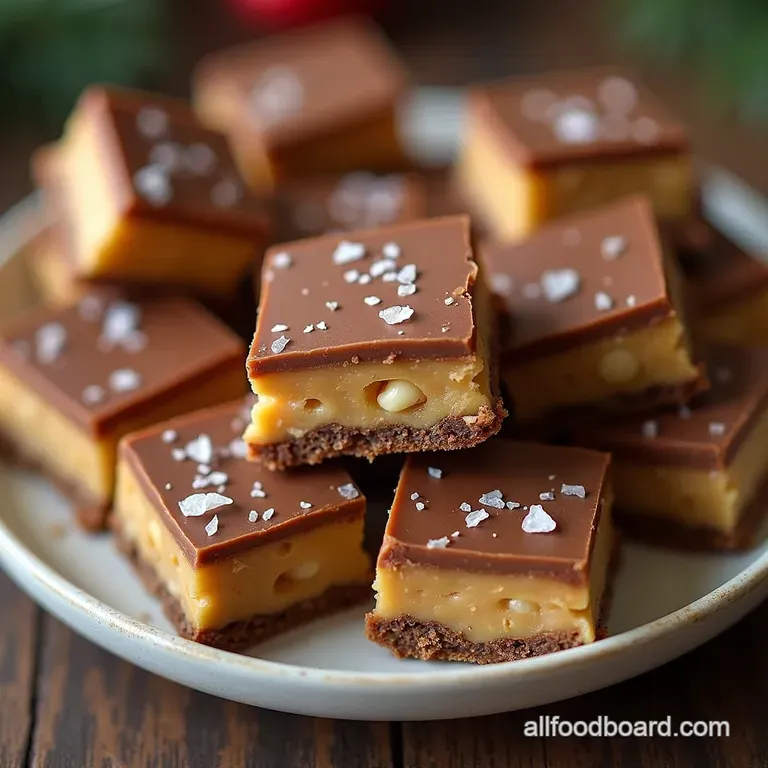
- Unlocking the Secrets to Irresistible Holiday Crunch: Our Signature Christmas Toffee
- Why This Recipe Stands Apart: Butter, Brittle, and Festive Perfection
- Curating the Essential Elements for Supreme Toffee Excellence
- The Alchemy of Heat: Step-by-Step Cooking Process for Ultimate Toffee
- From Hot Syrup to Hard Candy: Cooling and Cracking Techniques
- Elevating Your Creation: Customizing Your Festive Christmas Toffee
- Ensuring Longevity: Storage and Shelf Life Insights
- Recipe FAQs
- 📝 Recipe Card
Unlocking the Secrets to Irresistible Holiday Crunch: Our Signature Christmas Toffee
There is a certain magic that happens in the kitchen when the scent of melting butter and bubbling sugar fills the air; it signals the arrival of true holiday indulgence. Few confections capture this spirit quite like perfectly executed Christmas Toffee .
This isn't just a sweet treat; it’s a textural marvel a shatteringly crisp base delivering a profound, caramelized depth that complements the rich blanket of dark chocolate so perfectly.
Forget store-bought attempts; mastering this Homemade Toffee Recipe elevates your festive baking repertoire instantly. We are going to walk through the precise steps required to create that signature snap that defines truly excellent brittle, turning simple ingredients into the crowning glory of your holiday dessert table.
Why This Recipe Stands Apart: Butter, Brittle, and Festive Perfection
What separates a good toffee from a legendary one often comes down to nuance in technique and ingredient quality. Our approach focuses on maximizing flavour extraction while ensuring structural integrity.
We are aiming for a classic, buttery result that resists sogginess and maintains its delightful crunch, whether you plan to serve it as Christmas Toffee Bars or break it into jagged pieces for snacking.
The 'Roaring Fire' Flavour Profile You've Been Searching For
The soul of this Buttery Toffee Recipe lies in the slow marriage of high-quality unsalted butter and pure white sugar, cooked with just a touch of water and corn syrup to manage crystallization.
This combination develops the deep, complex notes reminiscent of a roaring hearth caramelized, rich, and slightly nutty, even before any optional nuts are added. We use a full cup of butter for richness, ensuring the final product melts beautifully in your mouth after the initial, satisfying break.
Achieving That Signature Satisfying Snap
The key to that perfect "crack" is reaching the hard crack stage during cooking. This means driving the sugar syrup to a specific internal temperature, usually between 300° F and 310° F ( 149° C to 154° C).
Hitting this target means the water has fully evaporated, leaving behind pure, stable sugar glass. If you fall short, you get chewy caramel; succeed, and you achieve the brittle perfection expected of exceptional Christmas Toffee Bark .
A Beginner's Guide to Mastering Hard Candy Creation
While the process sounds intimidating, fear not. Toffee making is less about complex skills and more about precise timing, which is why a reliable candy thermometer is non-negotiable for this Quick Toffee Recipe .
We simplify the process by ensuring all initial ingredients are combined correctly before the heat goes on, allowing you to focus solely on temperature management once the boil begins. This method drastically reduces the risk of graininess, making this a manageable project even for those new to candy making.
Curating the Essential Elements for Supreme Toffee Excellence
Creating fantastic Toffee With Nuts or a simple chocolate topped version starts long before the stove is lit. Ingredient selection and tool preparation set the stage for success. Because the recipe relies on such simple components, the quality of each element shines through in the final taste.
The Dairy & Sweetener Duo: Selecting Premium Butter and Sugar Grades
For this Easy Toffee Candy , your butter choice is paramount. We recommend using high-quality, 82% butterfat, unsalted butter. This higher fat content contributes superior flavour and a smoother texture compared to lower grade options.
For the sweetener, standard granulated white sugar is the base, providing the structure. We also introduce a small amount of light corn syrup (or glucose); this ingredient is not for flavour, but rather acts as an inversion agent, physically inhibiting the sugar molecules from reforming into large, grainy crystals.
Precision Measurements: Why Every Gram Matters in This Confection
When dealing with sugar cooking, volume is often unreliable. For this specific batch of Christmas Toffee Recipe , accuracy is crucial. We measure the butter by weight (227g) and the sugar by weight (400g) to ensure the correct ratio of liquid to solid is achieved before the hard crack stage.
Even small deviations in the sugar amount can dramatically affect the final temperature required for setting.
Sourcing the Best Dark Chocolate for the Glaze Finish
The finishing touch transforms this brittle into true holiday fare. We opt for a high-quality dark chocolate, ideally around 70% cocoa solids. This intensity cuts through the sweetness of the toffee base beautifully.
Ensure your chocolate is free of bloom and, if possible, temper it gently for a glossy finish, although simple melting and spreading will still yield delicious results.
Essential Equipment: Thermometers, Pans, and Prep Surfaces
The absolute cornerstone of this entire operation is a precise, functioning candy thermometer. Without it, achieving the hard crack stage is guesswork. You will also need a heavy bottomed saucepan this distributes heat evenly, preventing hot spots that can scorch the sugar.
Finally, prepare an 8x8 inch pan lined thoroughly with parchment paper or a silicone mat; this non-stick preparation is essential for easy removal of the cooled slab.
Related Recipes Worth Trying
- Simply Splendid Ultimate Homemade Butter Toffee Recipe — Master how to make toffee from scratch This easy recipe yields perfectly crunchy buttery homemade butter toffeea true showstopper for any occasion Get the...
- The Proper Job Homemade Butter Toffee Recipe Crisp Buttery — Forget fiddly recipes This homemade toffee recipe guarantees a crisp shatteringly perfect English Toffee every time Get the temperature tips now
- The Proper Crunch Foolproof Homemade English Butter Toffee — Stop buying disappointing candy This brilliant Homemade Toffee Recipe guarantees a shatteringly crisp deeply butterscotch snap every single time Get the...
The Alchemy of Heat: step-by-step Cooking Process for Ultimate Toffee
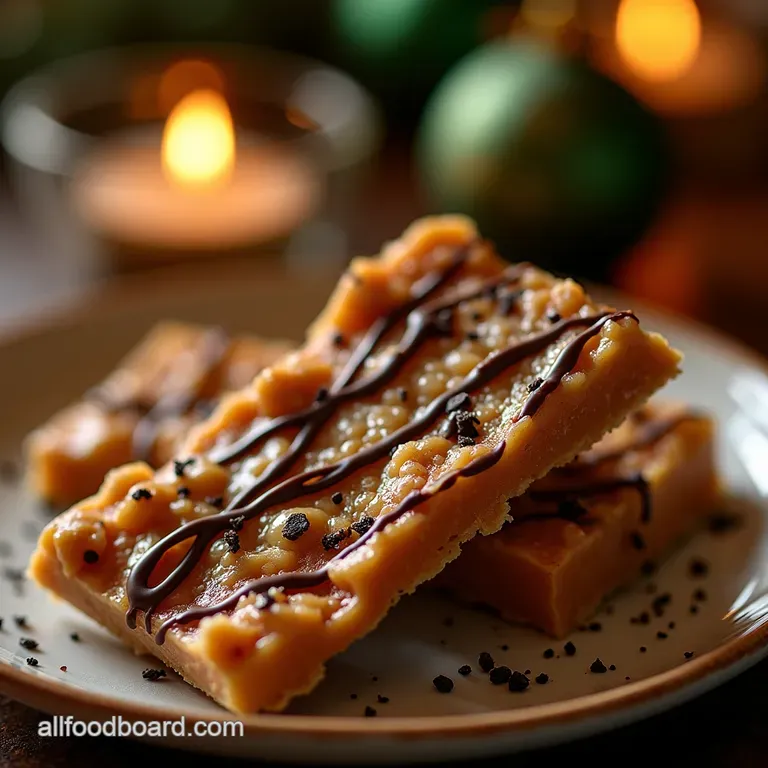
This is where the magic and precision comes into play. The cooking phase requires your full attention, as the temperature climbs quickly toward the goal.
We begin by combining the butter (1 cup/227g), sugar (2 cups/400g), water (1/2 cup/120ml), corn syrup (1 tablespoon), and fine sea salt (1/4 teaspoon) in the heavy saucepan. The heat is set to medium.
We must stir constantly at this stage until the butter is fully melted and, critically, the sugar granules have completely dissolved. You should feel no grittiness when rubbing a small amount between your fingers.
Once everything is dissolved, we stop stirring and allow the mixture to boil vigorously. Now, clip on your candy thermometer. The sides of the pan must be kept pristine; if any sugar spatters up the sides, use a pastry brush dipped in warm water to carefully wash those stray crystals back down into the boiling mixture.
Any unchecked crystals can act as nucleation points, causing the entire batch to crystallize prematurely into grainy sludge rather than smooth glass.
From Hot Syrup to Hard Candy: Cooling and Cracking Techniques
The final stage of cooking demands focus, as the temperature range between perfectly set toffee and burnt sugar is incredibly narrow.
Phase One: The Careful Caramelization of Butter and Sugar
As the mixture boils, the colour will deepen from pale straw to a rich amber. This is the caramelization developing the flavour profile we crave. Maintain your focus on the thermometer, resisting the urge to stir the bubbling mass, as movement at this stage risks encouraging crystallization.
The goal is to let the inherent heat do the work efficiently.
Hitting the Hard Crack Stage: Temperature Targets for the Perfect Set
We are aiming squarely for the hard crack stage. The target temperature is 300° F ( 149° C) , though proceeding to 310° F ( 154° C) yields an even crisper snap, perfect for Christmas Toffee Bars .
Remove the pan from the heat immediately when the thermometer hits your chosen high mark. The residual heat will carry the temperature up a few more degrees, so timing the removal is key to preventing scorching.
Incorporating Baking Soda: The Secret to Airy Texture
(Note: While the primary recipe outline above focuses on brittle, for a slightly airier texture often desired in Christmas Toffee Bark , a small amount of baking soda can be stirred in after removing from heat, which introduces controlled air pockets.) If opting for this variation, a mere 1/2 teaspoon of baking soda is stirred in quickly after removal from the heat, causing the mixture to foam up dramatically.
Then, proceed immediately to pouring.
The Art of the Thin Pour and Rapid Cooling Protocol
Carefully transfer the molten toffee into your prepared 8x8 inch pan. Do not scrape the bottom of the saucepan, as this residual sugar is often caramelized unevenly. Use a heatproof spatula to gently guide the toffee to the edges, ensuring a thin, even layer.
Rapid cooling is essential for stabilizing the sugar structure. Allow the toffee to cool completely at cool room temperature for at least one hour; this natural setting process promotes the best glassy texture.
Avoid rushing this in the refrigerator unless your kitchen is exceptionally warm, as temperature shock can sometimes encourage moisture absorption later.
Elevating Your Creation: Customizing Your Festive Christmas Toffee
Once the base is cooled and shatteringly hard, the time comes for decoration. We melt 8 ounces of dark chocolate and spread it thinly across the entire surface. This layer not only adds complexity but helps protect the toffee from ambient humidity.
Immediately sprinkle the surface with flaky sea salt before the chocolate has a chance to fully set. This contrast of bitter, salty, and sweet makes for truly exceptional Christmas Toffee .
Ensuring Longevity: Storage and Shelf Life Insights
Proper storage is vital for preserving that signature crunch in your Christmas Toffee . Humidity is the enemy of brittle candy.
Creative Coatings: Nut Inclusions and Alternative Chocolate Dips
If you chose to incorporate toasted pecans or almonds into the base, these additions naturally extend the flavour profile. Alternatively, consider using milk chocolate for a softer finish, or even dipping the broken shards halfway into white chocolate tinted green or red for extra visual appeal.
Troubleshooting: What to Do If Your Toffee Doesn't Set Right
If your toffee cools down but remains tacky or chewy, it means the temperature did not reach the hard crack stage it likely stalled around 270° F ( 132° C), which is the soft ball stage.
There is little rescue for this directly, but you can try re-boiling the mixture, adding a tablespoon of water, and aiming higher this time. If it burns or crystallizes (turns grainy), unfortunately, it must be discarded and started anew.
Packaging Suggestions for Gifting Homemade Holiday Sweets
When packaging your stunning Christmas Toffee Bark , wrap individual pieces tightly in wax paper or small cellophane bags before boxing them together. This separation helps prevent pieces from sticking and offers an extra layer of moisture protection, ensuring your recipients enjoy the perfect snap.
Expert Insights on Maintaining Brittle Texture Post Bake
The best practice for keeping your homemade brittle perfect is storing it in an airtight container at a cool, dry room temperature (around 65° F or 18° C).
Avoid sealing it immediately after chocolate coating; let the chocolate fully set for at least an hour before sealing the container. This diligence ensures that your Buttery Toffee Recipe delivers maximum crunch well into the New Year.

Recipe FAQs
Why does my Christmas Toffee turn out gritty instead of smooth and glassy?
That gritty texture, known as crystallization, is the bane of every home candy maker! It usually happens because a tiny sugar crystal gets splashed onto the side of the pan, or you stir the mixture too vigorously after it has started to boil.
Make sure you clean down the sides of the pan with a damp brush before it boils and absolutely stop stirring once it hits the heat.
What’s the secret to getting the perfect 'snap' when breaking the toffee?
The 'snap' comes entirely down to temperature; you need to hit the "Hard Crack" stage, which is between 300°F and 310°F (149°C 154°C) on your thermometer. If you pull it off the heat too early (say, below 295°F), it will be chewy rather than brittle, which is lovely for a caramel, but not for traditional toffee.
A reliable candy thermometer is your best mate here!
Can I make this Christmas Toffee recipe without a candy thermometer?
Technically, yes, but I wouldn't recommend it if you're aiming for that classic 'snap.' You'd have to rely on the 'Cold Water Test,' where you drop a tiny bit of boiling mixture into ice water to see if it forms hard, brittle threads that shatter when bent.
Honestly, for the time and ingredients involved, investing in a thermometer is worth every penny to avoid a batch of chewy disappointment.
How should I store my homemade Christmas Toffee to keep it fresh?
Toffee hates humidity, so storing it properly is crucial, especially around Christmas when the air can be damp. Keep the broken pieces tightly sealed in an airtight container at a cool room temperature think of a cupboard, not near the cooker.
If you live somewhere very warm or humid, a brief stint in the fridge works, but let it come to room temperature before serving to prevent condensation.
My chocolate topping is streaky how do I get that lovely, glossy finish?
A streaky or dull chocolate finish usually means the chocolate seized or overheated during melting. Make sure your utensils and bowl are completely dry, as a single drop of water can ruin the temper.
For the glossiest look, gently melt good quality dark chocolate in a double boiler (or in short bursts in the microwave, stirring well in between) until it’s smooth, then spread it quickly before it sets.
Classic Chocolate Christmas Toffee
Ingredients:
Instructions:
Nutrition Facts:
| Calories | 182 kcal |
|---|---|
| Protein | 0.0 g |
| Fat | 7.6 g |
| Carbs | 7.3 g |
| Fiber | 0.0 g |
| Sodium | 1670 mg |
