Cheese Fondue: Silky & Nutty
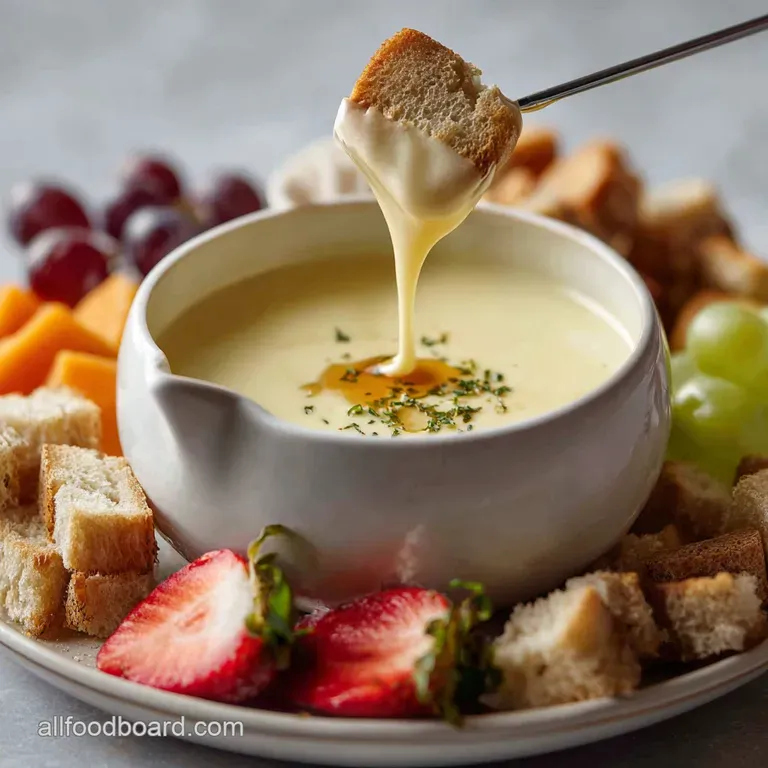
- Time: Active 10 minutes, Passive 10 minutes, Total 20 minutes
- Flavor/Texture Hook: Silky, nutty, and velvety with a faint garlic punch.
- Perfect for: Holiday gatherings, budget-friendly date nights, or family fun.
- Science Behind a Velvety Cheese Fondue
- Planning for Your Family Meal
- Selecting Flavorful Ingredients for Melting
- Essential Tools for Better Fondue
- Mastering the Simple Melting Process
- Fixing Common Melting Texture Issues
- Creative Budget Friendly Flavor Variations
- Handling Leftovers and Proper Storage
- The Best Cheese Fondue Dippers
- Kitchen Myths Debunked
- Recipe FAQs
- 📝 Recipe Card
Science Behind a Velvety Cheese Fondue
The smell of a halved garlic clove rubbed against a warm ceramic pot is the first signal that something special is happening. I remember the first time I tried making this for my family, I rushed the heat and ended up with a rubbery ball of protein floating in a pool of oil.
It was a disaster, but it taught me that a great cheese fondue isn't about luck, it is about controlling how proteins behave when they meet acid and heat.
We often think of this dish as a fancy indulgence, but at its heart, it is a brilliant way to stretch a few high-quality ingredients into a full meal. By focusing on the right melting technique, you can use more affordable Swiss varieties alongside the pricier Gruyère to get that classic alpine flavor without breaking the bank.
It is the ultimate "low effort, high reward" dinner that makes everyone at the table feel like they are at a mountain resort.
The secret to success lies in the patience you show at the stove. You want the cheese to transition from a solid to a flowing liquid without the fats separating. When you see that first glossy ribbon of cheese trailing off your bread, you will know exactly why this method works every single time.
It is a foolproof way to bring people together over a pot of liquid gold.
The Science of Why it Works
Emulsification Stability: The combination of lemon juice (acid) and cornstarch (stabilizer) prevents the cheese proteins from clumping together, ensuring the fat stays integrated for a velvety finish. This prevents the "broken" look where oil sits on top of the cheese.
Cook Method Comparison
| Method | Time | Texture | Best For |
|---|---|---|---|
| Stovetop (Classic) | 10 minutes | Silky and Glossy | Maximum control and smoothest finish |
| Slow Cooker | 40 minutes | Thick and Heavy | Keeping warm during long parties |
| Microwave | 5 minutes | Grainy / Risks oily | Quick solo snack only |
Choosing the stovetop method gives you the most control over the heat, which is vital for preventing the cheese from becoming tough. If you are looking for a similar silky texture in a quicker format, you might also enjoy experimenting with a Cream Cheese Pasta Sauce recipe for your next weeknight meal. Both rely on stable emulsions to stay smooth.
Component Analysis
| Ingredient | Science Role | Pro Secret |
|---|---|---|
| Cornstarch | Prevents protein clumping | Toss with cold cheese to coat every strand |
| Lemon Juice | Breaks down calcium bridges | Adds a bright finish that cuts through the fat |
| Dry White Wine | Solvent for cheese proteins | Use a crisp, high acid wine like Sauvignon Blanc |
Planning for Your Family Meal
When you are planning a fondue night, the "specs" are more about the atmosphere and the prep than long hours over a hot stove. Since the actual cooking happens in about 10 minutes, your focus should be on getting your dippers ready beforehand.
I usually spend about 15 minutes chopping apples, crusty bread, and blanched veggies so they are ready the moment the cheese is melted.
This recipe yields 6 servings, which is perfect for a standard fondue pot. If you have a larger crowd, I suggest making two separate batches rather than doubling one pot, as a massive amount of cheese can be harder to keep at the right temperature.
The goal is to keep the cheese at a gentle simmer, just enough to stay fluid but not enough to boil and become rubbery.
Comparison of Fresh vs Shortcut
| Feature | Freshly Grated | Pre Shredded Bag |
|---|---|---|
| Melt Factor | Melts into a silky, unified sauce | Stays stringy due to anti caking agents |
| Flavor | Nutty, sharp, and complex | Muted and often salty |
| Budget | Cheaper per pound when bought in blocks | Pricier due to processing and packaging |
Selecting Flavorful Ingredients for Melting
The magic happens when you combine the 8 oz Gruyère cheese with the 8 oz Emmental or Swiss cheese. Gruyère provides that earthy, nutty backbone that defines a traditional fondue, while Emmental brings a mild sweetness and excellent melting properties.
I always tell my friends to buy the blocks and grate them yourself, because those bags of pre shredded cheese are coated in cellulose which prevents a smooth melt.
To keep this budget friendly, look for domestic Swiss cheese if imported Emmental is too pricey. They share a similar "holey" structure and mild flavor profile. The wine choice is also a place where you can save money, you don't need a vintage bottle, just something dry and crisp.
Avoid anything sweet or oaky, like a buttery Chardonnay, as it will clash with the tang of the cheese.
For the Cheese Base
- 8 oz Gruyère cheese: Freshly grated. Why this? Provides the essential nutty flavor and classic alpine richness.
- 8 oz Emmental or Swiss cheese: Freshly grated. Why this? Offers superior melting capabilities and a balanced, mild sweetness.
- 2 tbsp cornstarch: Why this? Essential stabilizer that prevents the cheese from separating into oil.
For the Liquid Aromatics
- 1 cup dry white wine: Sauvignon Blanc or Pinot Grigio. Why this? The acidity helps break down cheese proteins for a smoother sauce.
- 1 clove garlic: Halved. Why this? Rubbing the pot provides a subtle, aromatic foundation without overpowering bits.
- 1 tsp lemon juice: Freshly squeezed. Why this? Extra acid ensures the emulsion stays stable and brightens the flavor.
- 1 tbsp Kirsch: Or cherry brandy. Why this? Traditional addition that adds a faint fruity depth and aids melting.
For the Finishing Seasoning
- 1 pinch nutmeg: Freshly grated. Why this? Adds a warm, woody aroma that complements the nutty cheese.
- 1 pinch white pepper: Why this? Provides a subtle heat without the visible black flecks.
Ingredient Substitutions
| Original Ingredient | Substitute | Why It Works |
|---|---|---|
| Gruyère | Sharp White Cheddar | Similar fat content. Note: Changes flavor to a sharper, English style. |
| White Wine | Chicken Broth + 1 tsp Vinegar | Provides liquid and acid for non alcoholic versions. |
| Kirsch | Brandy or Cognac | Adds similar depth. Note: Lacks the specific cherry floral note. |
Essential Tools for Better Fondue
You do not need a silver plated fondue set to enjoy this. In fact, a heavy bottomed saucepan or a small cast iron pot works beautifully on the stove. The key is heat retention. A thin pot will have hot spots that can scorch the cheese, while a heavy pot distributes the heat evenly, keeping your sauce silky from the first dip to the last.
Chef's Tip: If you don't have a fondue burner for the table, you can wrap your pot in a thick kitchen towel (away from the heat!) or place it on a warming stone to help it retain its temperature while you eat.
If you are using a ceramic pot, make sure it is flame safe. Some ceramic pots are meant for the oven and might crack on a direct stovetop flame. When in doubt, melt the cheese in a metal saucepan and then transfer it to your serving vessel.
Mastering the Simple Melting Process
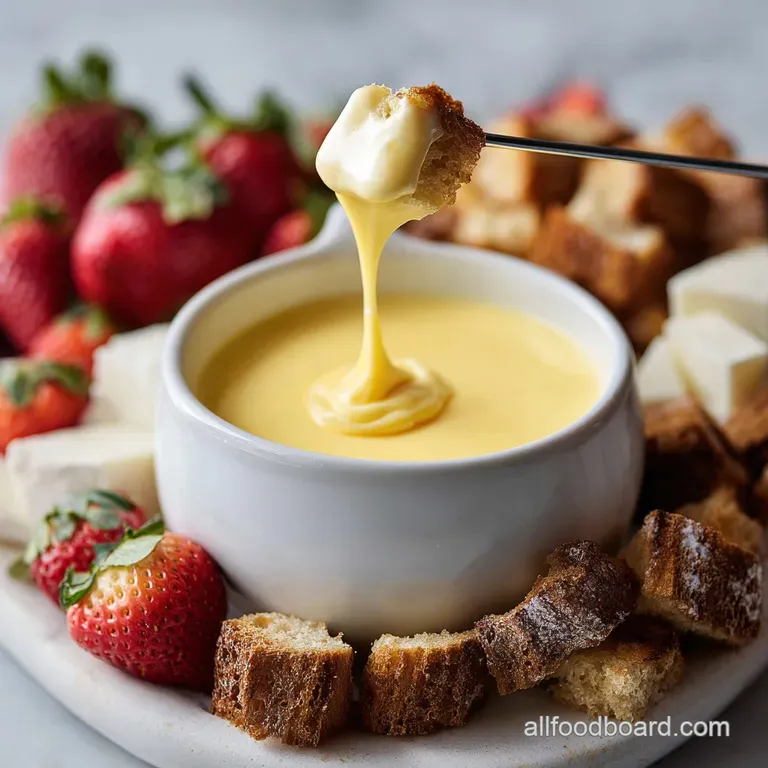
Right then, let's get into the actual cooking. This is a fast process, so make sure your cheese is already grated and your garlic is halved before you turn on the burner. The secret is "slow and steady" when it comes to adding the cheese.
If you dump it all in at once, the temperature of the wine will drop too fast, and you'll end up with a clump.
1. The Flavor Foundation
Rub the inside of a heavy saucepan with the cut sides of the garlic clove. You want to leave behind a thin film of garlic oil and scent. Discard the garlic after rubbing. Add the 1 cup dry white wine and 1 tsp lemon juice to the pot.
2. The Starch Toss Secret
In a medium bowl, combine the 8 oz grated Gruyère and 8 oz Emmental. Sprinkle the 2 tbsp cornstarch over the cheese and toss thoroughly with your hands. Note: This ensures every strand of cheese is coated, which is your insurance policy against a lumpy sauce.
3. The Gradual Melt
Bring the wine and lemon juice to a gentle simmer over medium heat until small bubbles begin to rise. Do not let it reach a rolling boil. Reduce heat to low and add the cheese one handful at a time. Stir constantly in a figure eight motion with a wooden spoon.
4. The Figure Eight Technique
Continue adding cheese only after the previous handful has completely melted. Cook until the mixture is thick, smooth, and bubbling gently. This usually takes about 5 to 7 minutes of active stirring.
5. The Final Polish
Stir in the 1 tbsp Kirsch, the pinch of nutmeg, and the white pepper. Keep stirring for another minute until the sauce is glossy and coats the back of a spoon. Transfer immediately to a fondue pot over a low flame.
Fixing Common Melting Texture Issues
Sometimes things go wrong, even for seasoned cooks. The most common issue is the cheese separating, which looks like a clump of rubber floating in yellow oil. This usually happens because the heat was too high or there wasn't enough acid.
Don't panic, you can almost always save it with a little more acid and a vigorous whisk.
Why Your Cheese Fondue Curdled
If your sauce looks grainy or separated, it is often a sign that the proteins have tightened up too much. This happens if the wine was boiling when you added the cheese. To fix this, add a teaspoon of lemon juice or a splash of warm wine and whisk like your life depends on it.
The extra acid helps relax those protein bonds.
Quick Fix Table
| Problem | Root Cause | Solution |
|---|---|---|
| Oily/Separated | Heat too high or low acid | Add 1 tsp lemon juice and whisk vigorously |
| Too Thick/Gloopy | Too much starch or overcooked | Stir in a splash of warm white wine |
| Stringy/Rubbery | Used pre shredded cheese | Keep stirring and add a splash of Kirsch |
Common Mistakes Checklist
- ✓ Grate your own cheese from blocks to avoid anti caking starches.
- ✓ Never let the wine reach a full, rolling boil before adding cheese.
- ✓ Use a figure eight stirring motion to ensure even heat distribution.
- ✓ Ensure the cheese is at room temperature before adding to the pot.
- ✓ Don't skip the cornstarch, it is the glue that holds the emulsion together.
Creative Budget Friendly Flavor Variations
While the classic Swiss version is hard to beat, you can easily adapt this recipe to what you have in the pantry. If you want a sharper, more "pub style" vibe, you can swap the wine for a dry hard cider or even a light ale.
This creates a deeper, more savory profile that pairs perfectly with soft pretzels or sliced kielbasa.
For a Non Alcoholic Variation
If you prefer to cook without wine, replace the 1 cup of wine with an equal amount of chicken or vegetable broth. You must add an extra teaspoon of lemon juice or white wine vinegar to provide the acidity that the wine usually brings. The flavor will be milder but still very savory and family friendly.
Decision Shortcut
- If you want a sharper flavor, use 50% Sharp White Cheddar.
- If you want a kid friendly version, use Apple Cider instead of wine.
- If you want a luxurious finish, stir in a teaspoon of truffle oil at the end.
If you enjoy the creamy, cheesy nature of this dish but want something more substantial for a Tuesday night, our Ultra Creamy Mac recipe uses similar cheese melting principles to create a comfort meal in under 25 minutes.
Handling Leftovers and Proper Storage
Fondue is best eaten immediately, but if you have leftovers, don't you dare throw that liquid gold away! Once it cools, it will solidify into a thick cheese spread. You can store this in an airtight container in the fridge for up to 3 days.
It doesn't freeze well because the emulsion will break when thawed, leaving you with a grainy texture.
For a zero waste tip, take any leftover cold fondue and spread it on thick slices of sourdough. Grill it in a pan with butter for the most incredible grilled cheese sandwich you've ever had. The Kirsch and nutmeg in the cheese give the sandwich a sophisticated flavor that tastes like a fancy bistro lunch.
Reheating Guidelines
To reheat, place the cheese in a small saucepan over very low heat. Add a splash of white wine or milk and stir constantly. Do not use a microwave, as it will likely cause the cheese to separate and become oily. Slow and steady wins the race here too.
The Best Cheese Fondue Dippers
The dippers are just as important as the cheese itself. I always aim for a mix of textures: something crunchy, something soft, and something fresh. A crusty baguette is the gold standard, but make sure each piece has a bit of crust so it doesn't fall off the fork and get "lost" in the cheese sea.
The Classic Dipper Platter
- Bread: Cubed sourdough, baguette, or rye.
- Fruit: Sliced Granny Smith apples or firm pears. The tartness cuts the richness perfectly.
- Vegetables: Blanched broccoli florets, cauliflower, or roasted baby potatoes.
- Protein: Cooked ham cubes, grilled sausage, or even steak bites.
The Charcuterie Element
Adding some cured meats like prosciutto or salami to the table adds a salty, savory component that feels very traditional. If you're looking for more ways to use these cheeses, check out how they perform in our Homemade Mac and recipe, which also celebrates the beautiful combination of Gruyère and Swiss.
Scaling for Groups
- Down (½ batch): Use a smaller pot. Reduce the wine to ½ cup but keep the garlic rub the same.
- Up (2x batch): Use a large Dutch oven. Increase the wine and cheese, but only use 1.5x the amount of nutmeg and pepper to avoid overpowering the delicate cheese flavors. Work in three stages when adding the cheese to maintain temperature.
Kitchen Myths Debunked
Many people believe that the alcohol in fondue completely evaporates during cooking. This is a myth. While some alcohol burns off, a significant amount remains because the cooking time is quite short. If you are serving someone who strictly avoids alcohol, use the broth and vinegar substitution mentioned earlier.
Another common misconception is that you need an expensive "fondue cheese" blend. In reality, any high-quality melting cheese with a good fat to protein ratio will work. The "Swiss" label is less important than the age and quality of the block.
A younger Gruyère will actually melt better than a very aged, crystalline one.
Finally,, you might hear that you should only stir in one direction to keep the cheese from "knotting." While the figure eight motion is helpful for coverage, the direction doesn't matter as much as the constant movement.
The goal is agitation to keep the starch and fat moving together, not the compass heading of your spoon!

Recipe FAQs
What do you put in a cheese fondue?
Gruyère and Emmental cheese. You'll also need dry white wine, lemon juice, and cornstarch for a silky base. A touch of garlic, Kirsch, nutmeg, and white pepper add aromatic depth.
What should you dip in a cheese fondue?
A variety of textures. Classic dippers include cubed crusty bread, firm apple slices, blanched vegetables like broccoli, and cooked meats such as ham or sausage.
What is the secret to good fondue?
Control the heat and add cheese gradually. Melt the cheese slowly in gentle heat, adding it handful by handful while stirring constantly to prevent separation. Mastering stable emulsions is key for a velvety finish, a skill also vital in recipes like our Tomato Cream Sauce: Silky Vibrant Italian Recipe.
What's the best cheese to melt for fondue?
Gruyère and Emmental or Swiss. Gruyère provides nutty depth, while Emmental or Swiss offers excellent melting properties and a mild sweetness. Always grate your own cheese from blocks for the smoothest result.
Can I make cheese fondue without wine?
Yes, use chicken or vegetable broth. Replace the wine with an equal amount of broth and add an extra teaspoon of lemon juice or white wine vinegar to provide the necessary acidity for a smooth emulsion.
My fondue looks oily and separated, what did I do wrong?
The heat was likely too high or there wasn't enough acid. This usually happens if the wine boiled vigorously when you added the cheese. Try adding a teaspoon of lemon juice and whisking vigorously to re-emulsify the sauce.
How do I store leftover cheese fondue?
Refrigerate in an airtight container for up to 3 days. Once cooled, it solidifies into a cheese spread. It doesn't freeze well due to emulsion breakdown. For a fun meal, spread cooled leftovers on bread and grill for an incredible cheese sandwich.
Cheese Fondue
Ingredients:
Instructions:
Nutrition Facts:
| Calories | 344 calories |
|---|---|
| Protein | 21.3 g |
| Fat | 22.7 g |
| Carbs | 4.1 g |
| Fiber | 0.1 g |
| Sugar | 0.8 g |
| Sodium | 339 mg |
