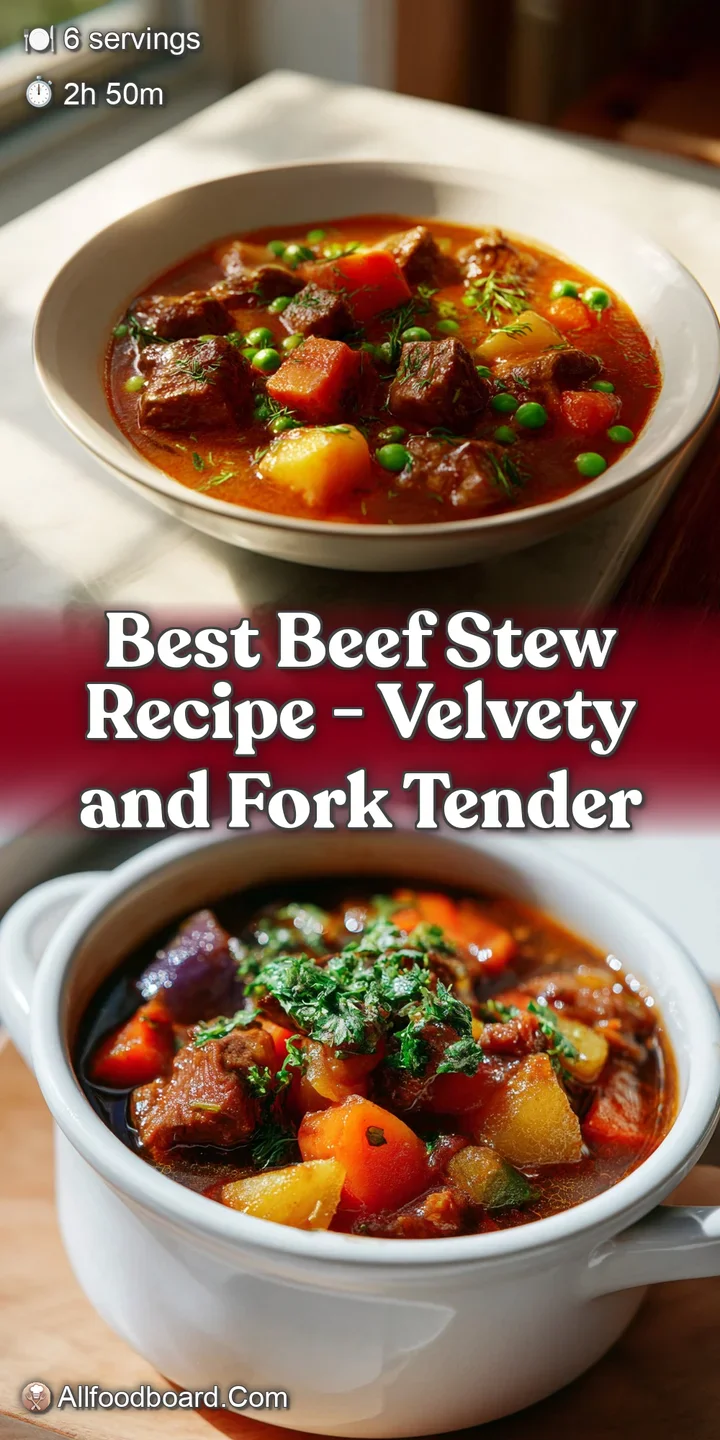
The Best Beef Stew Recipe: Velvety & Tender
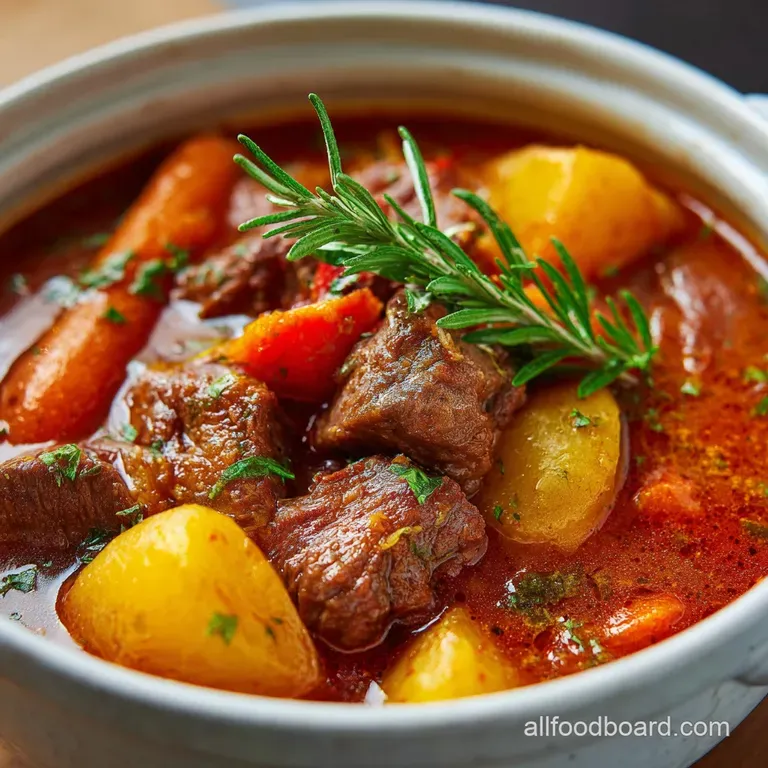
- Time: Active 20 mins, Passive 2 hours 30 mins, Total 2 hours 50 mins
- Flavor/Texture Hook: Savory, velvety, and fork tender
- Perfect for: Cozy winter family dinners
- The Secret to the Best Beef Stew Recipe
- Why This Recipe Simply Works
- Time and Nutrition Facts
- Essential Ingredients and Swaps
- The Best Tools to Use
- Steps to Braising Success
- Solving Common Cooking Problems
- Troubleshooting Common Issues
- Flavor Variations to Try
- Storage and Leftover Advice
- Best Ways to Serve
- High in Sodium
- Recipe FAQs
- 📝 Recipe Card
The Secret to the Best Beef Stew Recipe
The moment that heavy lid lifts, a cloud of savory steam hits your face and you know you've done something right. I remember the first time I tried making this years ago, I was in such a rush that I skipped the searing part.
It was a grey, bland disaster that looked more like hospital food than the rich, mahogany stew I was dreaming of. I learned that day that patience isn't just a virtue in the kitchen, it's actually an ingredient.
Now, my kitchen smells like a warm hug whenever I get this pot going. You hear the rhythmic bubbling of the broth and the gentle clink of the wooden spoon against the cast iron. It’s the kind of meal that makes everyone at the table go quiet for a few minutes because they're actually enjoying the food.
We aren't just making dinner here, we're building a memory that sticks to your ribs and keeps you warm.
Why This Recipe Simply Works
Connective Tissue Breakdown: Cooking the beef chuck slowly at a low temperature allows the tough collagen to melt into gelatin, which creates a velvety mouthfeel.
The Fond Foundation: Searing the meat leaves behind caramelized proteins called "fond" on the bottom of the pot, which provides the base for a complex sauce.
Acid Balance: The dry red wine cuts through the heavy fat of the beef, brightening the overall flavor profile so it doesn't feel too weighted.
Starch Gelatinization: Coating the aromatics in flour before adding liquid ensures the sauce thickens naturally without becoming lumpy or gluey.
| Method | Time | Texture | Best For |
|---|---|---|---|
| Stovetop | 2 hours 30 mins | Classic, thick sauce | Active kitchen lovers |
| Oven (150°C) | 2 hours 45 mins | Very even cooking | Hands off afternoons |
| Slow Cooker | 8 hours (Low) | Extremely soft meat | Busy work days |
There is a real difference between cooking on the hob and in the oven. While the stovetop gives you more control over the simmer, the oven provides a surround heat that reduces the chance of the bottom scorching. If you have the time, the oven method is my personal favorite for consistency.
Time and Nutrition Facts
This dish is a powerhouse of protein and vitamins, especially with the carrots and potatoes tucked in. It’s a complete meal in one pot, which is exactly why it’s been a family friendly staple in my house for years.
Because we use bone broth, you're getting a lot of natural minerals that you just don't find in a quick stir fry.
The Physics of the Braise
When you braise beef, you're essentially performing a slow motion magic trick. At around 70°C, the muscle fibers start to shrink and squeeze out moisture, which is why meat can feel tough halfway through.
But if you keep going, that tough collagen finally gives up and turns into liquid gelatin, making the meat feel moist again.
| Component | Science Role | Pro Secret |
|---|---|---|
| Beef Chuck | High collagen content | Cut against the grain |
| Red Wine | Breaks down fibers | Use a drinkable bottle |
| Tomato Paste | Umami depth | Fry until dark red |
Essential Ingredients and Swaps
For this recipe, I always reach for a 3 lbs beef chuck roast. It has the perfect ratio of fat to lean meat. If you buy the pre cut "stew meat" at the supermarket, you often end up with a mix of different cuts that cook at different rates. One piece will be tender while the next is like a rubber ball.
Trust me, buy the whole roast and cut it yourself into 1.5 inch chunks.
- Beef Chuck (3 lbs): The king of stewing meats. Why this? High fat/collagen for tenderness.
- Neutral Oil (2 tbsp): Grapeseed or avocado work best. Why this? High smoke point for searing.
- Yellow Onions (2 medium): Provides the aromatic base.
- Garlic (4 cloves): Essential for savory depth.
- Tomato Paste (2 tbsp): Concentrated flavor.
- All purpose Flour (1/4 cup): Thicken the sauce.
- Dry Red Wine (2 cups): Use Cabernet or Pinot Noir.
- Beef Bone Broth (4 cups): Low sodium is better for control.
- Potatoes (1 lb): Yukon Gold hold their shape well.
- Carrots (4 large): Adds natural sweetness.
| Original Ingredient | Substitute | Why It Works |
|---|---|---|
| Red Wine | Beef Broth + 1 tbsp Vinegar | Provides acidity without alcohol. |
| Yukon Gold | Red Bliss Potatoes | Both are waxy and won't disintegrate. |
| All purpose Flour | Cornstarch (slurry) | Makes it gluten-free. Note: Add at the end. |
If you love a slow cooked weekend meal, you should also try my Classic Sunday roast recipe. It uses similar principles of low and slow heat to get that perfect texture.
The Best Tools to Use
You really need a heavy bottomed pot for this, like a Dutch oven. It distributes heat evenly so you don't get hot spots that burn your sauce. A cheap, thin pot will almost certainly scorch the bottom during a two hour simmer.
- Dutch Oven: A 5 or 6 quart cast iron pot is ideal.
- Wooden Spoon: Best for scraping the fond off the bottom.
- Paper Towels: To pat the beef dry before searing.
- Sharp Chef’s Knife: For consistent vegetable chunks.
Steps to Braising Success
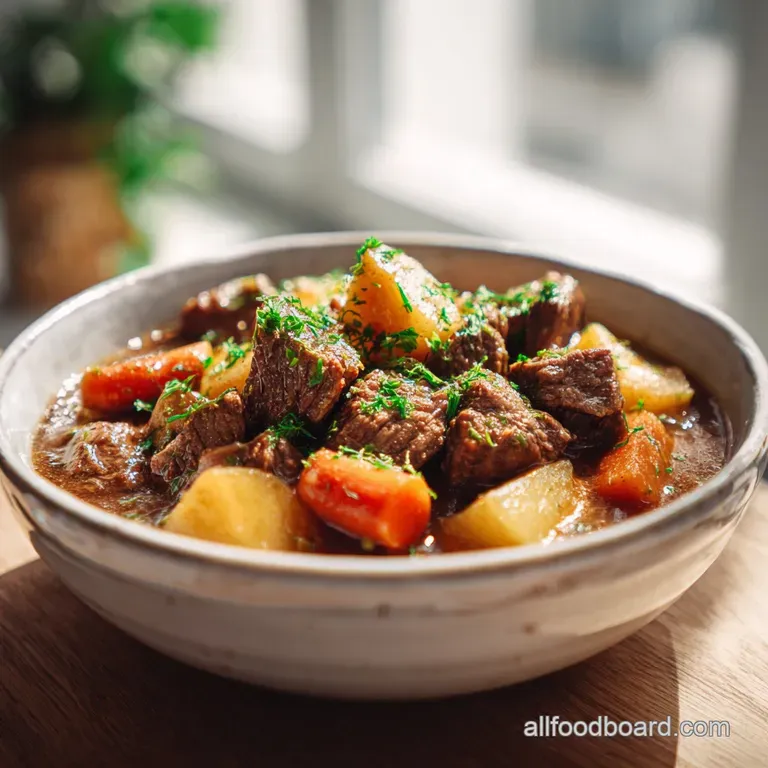
- Dry the beef. Pat the 3 lbs of beef cubes with paper towels. Note: Moisture is the enemy of a good sear.
- Sear in batches. Heat oil in the pot and brown the beef until a dark crust forms. Do not crowd the pan.
- Sauté the aromatics. Remove meat and add chopped onions. Cook 5 mins until translucent and soft.
- Add paste and garlic. Stir in garlic and tomato paste. Cook 2 mins until the paste turns brick red.
- Dust with flour. Sprinkle the 1/4 cup flour over the onions and stir well for 1 minute to cook out the raw taste.
- Deglaze the pot. Pour in the 2 cups of red wine. Scrape the bottom until all brown bits dissolve.
- Submerge and simmer. Return beef to pot with broth, Worcestershire, thyme, and bay leaves. Bring to a boil, then lower heat.
- The long wait. Cover and simmer gently for 1 hour 30 mins.
- Add the vegetables. Toss in potatoes and carrots. Simmer for another 45 mins until veggies are tender.
- Final touch. Stir in the frozen peas and cook for 2 mins until bright green and hot.
For a different take on beefy comfort, my How to Make recipe is a great pantry friendly alternative if you're looking for a quicker mix.
Solving Common Cooking Problems
Troubleshooting Common Issues
| Issue | Solution | ||
|---|---|---|---|
| Beef Still Tough | If the meat is tough, you simply haven't cooked it long enough. People often panic and think they've overcooked it, but with chuck roast, it's the opposite. The collagen needs time to melt. Give it an | ||
| My Stew Is Too Thin | This usually happens if the lid wasn't on tight or if you didn't use enough flour. You can fix this by taking a ladle of the liquid, mixing it with a tablespoon of cornstarch to make a paste, and stir | ||
| Why Does My Stew Taste Flat | If the flavor isn't "popping," it usually needs more acid or salt. A teaspoon of balsamic vinegar or a squeeze of lemon juice right at the end can wake up all the other flavors instantly. | Problem |
Flavor Variations to Try
- The Herb Swap: Use rosemary instead of thyme for a more piney, earthy aroma.
- The Umami Bomb: Add a tablespoon of soy sauce or a couple of anchovies (they melt away!) to deepen the meatiness.
- Guinness Style: Swap one cup of wine for a bottle of stout for a slightly bitter, malty finish.
Precision Checkpoints
- Weight: Ensure beef chunks are exactly 1.5 inches for even cooking.
- Temperature: If using an oven, set it to 150°C (300°F).
- Time: The beef must simmer for at least 90 minutes before adding vegetables.
| Problem | Cause | Fix |
|---|---|---|
| Bland | Not enough salt | Add salt in small increments. |
| Salty | Broth reduced too much | Add 1/2 cup water or unsalted broth. |
| Sour | Too much wine | Add a teaspoon of sugar to balance. |
If you want X, do Y If you want a thicker sauce, mash two of the cooked potato chunks into the liquid. If you want more depth, add a teaspoon of instant espresso powder with the broth.
If you want a cleaner finish, stir in a handful of fresh parsley right before serving.
Storage and Leftover Advice
Storage: This stew stays fresh in the fridge for up to 4 days. In fact, it's often better on day two because the flavors have time to mingle and the sauce becomes even silkier.
Freezing: You can freeze this for up to 3 months. However, be aware that potatoes can sometimes get a slightly grainy texture after thawing. If you plan to freeze the whole batch, you might want to leave the potatoes out and add fresh ones when you reheat.
Zero Waste: Don't throw away those onion skins or carrot peels! Toss them in a bag in the freezer to make your own vegetable stock later. If you have a tiny bit of leftover stew, it makes a fantastic filling for a quick pot pie just top it with some store-bought puff pastry and bake.
Best Ways to Serve
I think the best way to enjoy this is in a wide, shallow bowl with a thick slice of crusty sourdough bread. You need something to mop up every last drop of that sauce. Honestly, don't even bother with a side salad; this is a one bowl wonder that doesn't need much help.
Debunking Kitchen Myths
Myth 1: Searing meat seals in the juices. This is actually false. Searing is all about the Maillard reaction, which creates flavor on the surface. The meat actually loses moisture during searing, but the trade off in flavor is 100% worth it.
Myth 2: You must use expensive wine. Not true! You just need a wine that you wouldn't mind drinking a glass of. If it's "cooking wine" from the grocery store aisle, it's usually loaded with salt and will ruin your dish.
Myth 3: Boiling makes it cook faster. Boiling actually toughens the muscle fibers. You want a "lazy bubble" (a simmer), not a rolling boil. High heat is the enemy of tender beef.
Reheating is best done on the stovetop over medium low heat. Add a splash of water or broth if the sauce has thickened too much in the fridge. Stir gently so you don't break up the tender vegetables, and you'll have a meal that tastes just as good as the day you made it.
Enjoy the process and the leftovers you've earned them!
High in Sodium
1080 mg mg of sodium per serving (47% % of daily value)
American Heart Association recommends limiting sodium intake to about 2,300mg per day.
Tips to Reduce Sodium in Your Beef Stew
-
Broth Swap-30%
Replace the 4 cups of low-sodium beef bone broth with a no-salt added beef broth or homemade broth. This will significantly reduce the sodium content without sacrificing flavor.
-
Salt Control-25%
Reduce the amount of kosher salt from 2 tsp to 1 tsp, or eliminate it entirely, tasting and adjusting as needed at the end. Remember that you can always add more salt, but you can't take it away. Consider using a salt substitute.
-
Worcestershire Watch-20%
Use low-sodium Worcestershire sauce or reduce the amount added by half. A small amount of balsamic vinegar can add depth of flavor as a substitute. If you eliminate it, you can use a teaspoon of soy sauce.
-
Tomato Paste Tweak-15%
Use no-salt added tomato paste, or add fresh tomatoes to increase the tomato flavor. If the recipe calls for canned diced or crushed tomatoes, choose no-salt added versions.
-
Herb Power
Enhance the flavor of your beef stew with a variety of fresh and dried herbs and spices such as bay leaves, thyme, rosemary, garlic powder, onion powder, and smoked paprika. Experiment to find your favorite flavor combinations!
-
Spice it Up
Use black pepper, red pepper flakes, or a dash of hot sauce to add a kick without sodium. Experiment with flavors like smoked paprika or cumin to enhance the savory notes.
Recipe FAQs
What is the secret to good beef stew?
Searing the meat thoroughly before braising. This process creates "fond," the caramelized proteins on the bottom of the pot, which forms the flavor foundation for your entire sauce.
What enhances the flavor of beef stew?
Adding an acid and a deeply savory element. A dry red wine helps cut the richness, and using high-quality beef bone broth instead of plain water concentrates the meaty flavor significantly.
What are the best ingredients for a beef stew?
Use beef chuck roast cut into 1.5 inch cubes. Chuck has the ideal fat-to-collagen ratio necessary to break down beautifully during long, slow cooking periods.
How to make beef stew meat tender and juicy?
Braise it low and slow until internal collagen converts to gelatin. This requires maintaining a gentle simmer (not a hard boil) for at least 2 to 2.5 hours until the meat is fork tender.
Is it true you must use a Dutch oven for the best results?
No, but it is highly recommended. A heavy, cast iron Dutch oven distributes heat evenly, preventing hot spots that can scorch your sauce during the long cooking time.
How to fix beef stew that tastes flat or dull?
Introduce a touch of acid at the very end. A teaspoon of balsamic vinegar or lemon juice brightens the heavy, savory flavors without making the stew taste sour, similar to how we balance richness in our Classic Au Jus recipe.
How to ensure the sauce thickens correctly without becoming gluey?
Dust the aromatics with flour (a roux base) before adding liquid. This step cooks the starch, and the gentle simmering allows it to hydrate properly, creating a velvety texture.
Best Beef Stew Recipe
Ingredients:
Instructions:
Nutrition Facts:
| Calories | 670 kcal |
|---|---|
| Protein | 53.5 g |
| Fat | 28.6 g |
| Carbs | 33.1 g |
| Fiber | 5.2 g |
| Sugar | 6.8 g |
| Sodium | 1080 mg |
