German Red Cabbage: Authentic Braised Rotkohl
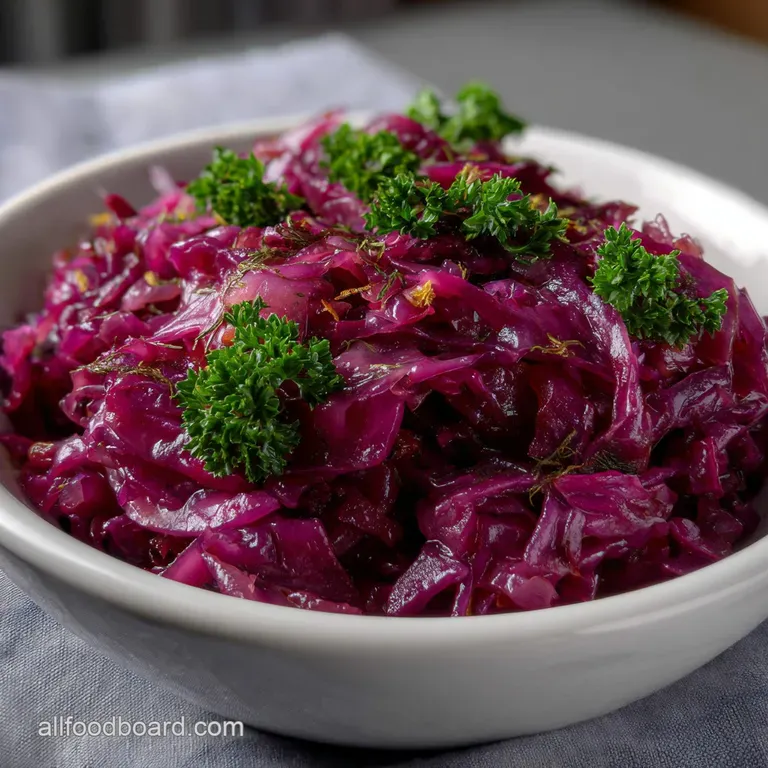
- Authentic Braised German Rotkohl (Red Cabbage with Apple & Spices)
- The Essential Guide to Authentic Braised Rotkohl
- Why This Works: Mastering the Signature Sweet and Sour Profile
- Ingredients & Subs: Choosing the Right Components
- Step-by-Step: How to Cook Authentic Braised Rotkohl
- Expert Tips and Common Mistakes to Avoid
- Make Ahead, Storage, and Freezing Instructions
- What to Serve with German Red Cabbage
- Recipe FAQs
- 📝 Recipe Card
Authentic Braised German Rotkohl (Red Cabbage with Apple & Spices)
The Essential Guide to Authentic Braised Rotkohl
The minute that buttery onion hits the dutch oven, followed by the tart apples and warming spices cinnamon, clove, bay leaf you know exactly what kind of comfort food evening you are about to have. This aroma is the absolute signature of perfect German Red Cabbage .
For years, I struggled. My cabbage turned mushy, or it somehow managed to be simultaneously too vinegary and too sweet. It was frustrating.
But this isn’t rocket science. Making the ultimate, balanced Authentic German Red Cabbage Recipe (or Rotkohl , as the Germans call it) just requires a few non-negotiable science checks. Trust me, the payoff is huge.
This is the intensely flavored, tender, sweet and sour side dish that shatters every memory you have of lukewarm, soggy cafeteria cabbage. This recipe is designed for maximum flavor depth and perfect texture, and it’s way easier than you think.
Why This Works: Mastering the Signature Sweet and Sour Profile
The Science Behind Vibrant Red Cabbage
The biggest complaint people have about homemade Rotkohl is that it turns a weird, muddy blue purple color. That’s because red cabbage is packed with pigments called anthocyanins. These compounds are essentially tiny, flavorful mood rings, drastically changing color based on the pH level.
- Color Insurance: To keep your German Red Cabbage vibrant, you need acid. Lots of it! The red wine vinegar in this recipe is not just for flavor; it’s a non-negotiable color stabilizer. It locks those anthocyanins into their bright red state, preventing them from shifting blue during the long cooking process.
- Texture and Time: Cabbage is tough; its cell walls are rigid cellulose. You can’t just flash cook it. This method requires a long, slow braise about an hour which allows the cellulose to break down gently. This results in incredibly tender cabbage that still has body, rather than turning into thin, watery mush.
- The Apple Factor: The tart apple (Granny Smith is my go-to) dissolves partially during the cook, adding natural pectin, which thickens the sauce slightly, and provides necessary tartness that complements the vinegar without tasting harsh.
Ingredients & Subs: Choosing the Right Components
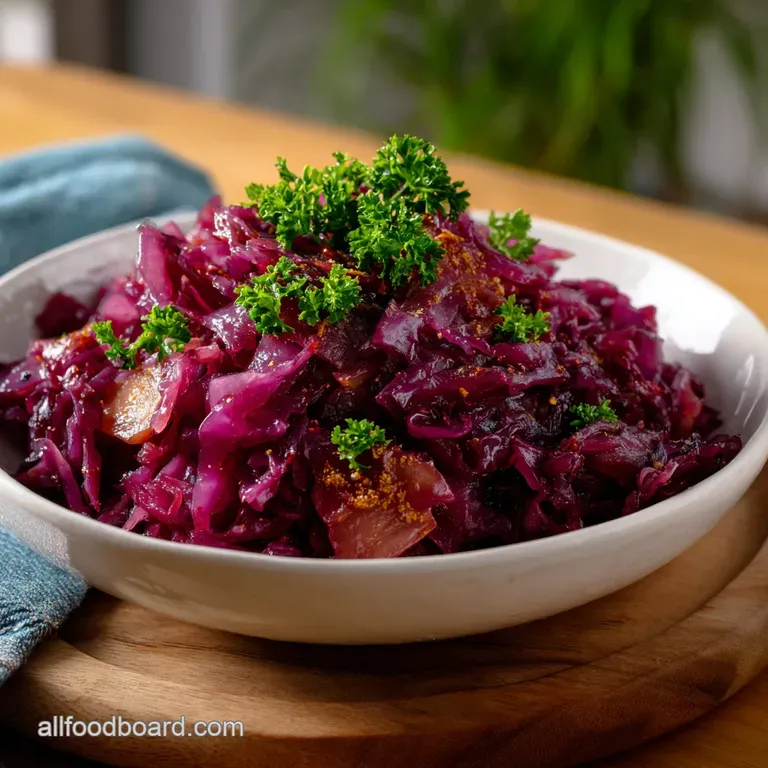
Getting the perfect German Red Cabbage Dish requires good ingredients, but life happens. If you’re missing something, don’t stress I’ve got your back with these kitchen swaps.
Ingredient Substitutions for Rotkohl Success
| Ingredient | Role | Recommended Swap | Why It Works |
|---|---|---|---|
| Red Wine Vinegar | Acidity/Color Stabilizer | Apple Cider Vinegar or White Wine Vinegar | Maintains the essential tang and pH level, though ACV will be slightly fruitier. |
| Tart Apple (Granny Smith) | Sweetener/Pectin/Acidity | Pears (firm), or use 1 Tbsp extra vinegar + 1 tsp sugar. | Provides bulk and necessary tart sweetness. |
| Butter/Lard | Fat Foundation | Neutral Oil (Canola, Grapeseed, high-quality Olive Oil) | Helps sauté and deepen flavor initially. Olive oil is great if you need to keep it vegan. |
| Whole Cloves | Warming Spice | Pinch of ground allspice or ground cloves (use half the amount) | Provides that essential winter spice warmth, though ground is stronger. |
| Lingonberry Jam | Deep Flavor/Color | Cranberry Sauce (jellied, not chunky) or Blackcurrant Jam | Adds complexity, color depth, and traditional, tangy sweetness. |
step-by-step: How to Cook Authentic Braised Rotkohl
Before you start, remember to shred that cabbage thinly . A mandoline makes the job quick and uniform. If you want a quicker cabbage fix for weeknights, my Sauteed Cabbage Caramelized Edges Bright Vinegar Finish is ready in 15 minutes, but for this specific German Red Cabbage , thin shreds are essential for the braise!
- Prep and Sauté the Aromatics: Melt the butter (or lard, if you’re being really traditional) in a large Dutch oven over medium heat. Add the diced onion. Let it sizzle gently, cooking until the onion is fully translucent and soft about 5– 7 minutes.
- Wilt the Cabbage: Add the thinly shredded Red Cabbage and the diced apple. Stir vigorously for about 5 minutes. You’re not trying to brown it, just coat it in the fat and let it begin to wilt down. It will shrink by about a third and smell deeply fragrant.
- Deglaze with Acid: This is the critical step. Pour in the red wine vinegar. It should hit the bottom of the hot pot and steam dramatically. Use your wooden spoon to scrape up any browned bits on the bottom that’s pure flavor.
- Add Braising Liquid and Spices: Pour in the broth or water, sugar, salt, pepper, and the jam. Add the bay leaves and whole cloves (I always bundle my cloves in a tiny square of cheesecloth so I don’t accidentally bite into one later). Stir well.
- The Slow Braise: Bring the mixture up to a quick boil, then immediately turn the heat down to the lowest setting possible. The liquid should be barely bubbling. Cover the pot tightly. Simmer for 50– 60 minutes.
- Check and Adjust: After 50 minutes, the German Sweet And Sour Red Cabbage should be fork tender and deeply colored. If it’s still tough, cook covered for another 15 minutes. Remove the bay leaves and the clove bundle. Now, taste it. Is it too tart? Add a tiny pinch of sugar. Is it too sweet? Splash in 1/2 tsp more vinegar. This final balancing act ensures the perfect flavor.
Expert Tips and Common Mistakes to Avoid
The beauty of this classic side is its intense balance. If you're encountering common pitfalls, here are the simple fixes for your Rotkohl Recipe .
Troubleshooting & Common Mistakes
| Problem | Cause | The Fix |
|---|---|---|
| Cabbage is blue/gray | Not enough acid; heat too high. | Add 1 2 Tbsp more red wine vinegar immediately. The acid will shift the color back to red. |
| Cabbage is mushy | Cooked uncovered or shredded too thin/unevenly. | Unfortunately, there’s no fix for mushy cabbage texture, but next time, check the shred size and don’t stir aggressively during the braise. |
| Flavor is flat/dull | Not enough sauté time initially; weak braising liquid. | Stir in 1/2 tsp salt and 1 Tbsp jam/sugar for complexity. Next time, use broth instead of water. |
make-ahead, Storage, and Freezing Instructions
Listen, this is one of those magic dishes that tastes genuinely better the next day. Seriously. The slow cool down and subsequent reheating allow the vinegar and spice flavors to fully marry into the cabbage fibers.
Refrigerator Storage and Reheating Guidelines
Once cooled, store the Traditional German Red Cabbage in an airtight container in the fridge for up to 5 days. Reheating is easy:
- Stovetop (Best Method): Place the Rotkohl in a small saucepan over medium low heat. Add a splash of water or broth, cover, and heat slowly for about 10– 15 minutes, stirring occasionally, until heated through.
- Microwave (Quickest Method): Use short bursts (90 seconds), stirring in between to ensure even heating.
Optimal Freezing Technique for Rotkohl
Yes, you can absolutely freeze this! Freezing is a fantastic way to preserve your batch of How To Cook Red Cabbage German Style .
- Cool the cooked cabbage completely (this is mandatory).
- Transfer the cabbage and its braising liquid to freezer safe containers or heavy duty freezer bags.
- Leave about 1 inch of headspace, as liquids expand when frozen.
- Freeze for up to 3 months. Thaw overnight in the refrigerator before reheating on the stovetop.
What to Serve with German Red Cabbage
If you’re seeking the ideal main, serving this traditional German Red Cabbage with a rich roast is essential, much like the satisfaction you get from a perfectly balanced bowl of Lemon Chicken Pasta: Pan-Seared Fettuccine Recipe where every element plays its part.
This dish is a hearty, deeply flavored contrast to rich, savory proteins. It’s seriously the perfect heavy hitting side for rich roasts, maybe alongside some crispy Gnocchi And Pesto Dishes: Crispy Pan-Seared in 30 Minutes . Think classic German fare: pork loin, duck, roast goose, or traditional Sauerbraten. The acidity of the cabbage cuts through the fat of the meat beautifully, creating a perfect flavor profile on the plate.
When you master the balance of sweet, sour, and spiced comfort in this German Red Cabbage Recipe , you’ve got a side dish that steals the show every time. Happy cooking!
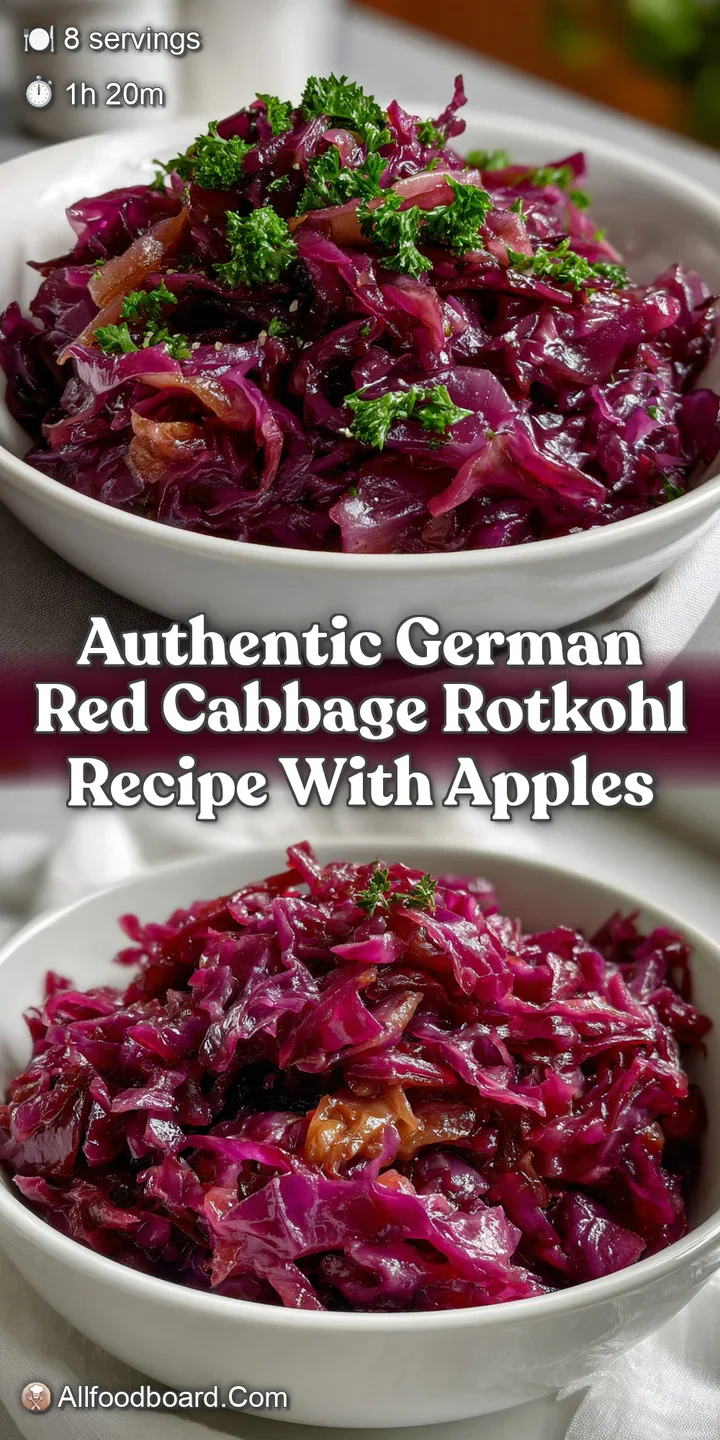
Recipe FAQs
What gives German Rotkohl its signature sweet and sour flavor?
The characteristic sweet and sour profile is achieved by balancing tart apples and red wine vinegar, which provides the essential acidity for the braising liquid. This sharpness is complemented by a touch of sweetness, typically from sugar or fruit juice, ensuring a perfectly balanced final dish.
How long does the red cabbage need to braise to achieve the perfect tenderness?
Rotkohl requires slow braising to properly break down the cabbage fibers and infuse the deep spice flavors. Depending on the desired level of tenderness and the quantity, the simmering process usually takes between 45 and 90 minutes. Ensure the liquid doesn't evaporate completely during the extended cooking time.
Can I substitute the red wine vinegar in the recipe?
While red wine vinegar is traditional and adds complexity, you can successfully substitute it with apple cider vinegar for a similar acidic tang. If necessary, a small amount of fresh lemon juice can also work, but you may need to adjust the measurement slightly to maintain the necessary sweet and sour balance.
Why did my cabbage turn blue or grey instead of staying vibrant red?
Red cabbage contains anthocyanin pigments that are sensitive to pH; they remain red only in acidic conditions. If your cabbage turns blue or grey, it signals a lack of sufficient acid in the braising liquid. To correct this, simply stir in an extra teaspoon of red wine vinegar until the vibrant red color returns.
Is Rotkohl a good make-ahead dish, and how should it be stored?
Rotkohl is an excellent make-ahead side dish, as the flavors deepen significantly after resting overnight. Once completely cooled, store the leftovers in an airtight container in the refrigerator, where the high acidity allows it to keep well for 5 to 7 days. Reheat gently on the stovetop before serving.
What are the best main courses to serve alongside German Red Cabbage?
This side dish is traditionally paired with rich, heavy German meals where the acidity cuts through the fat of the main protein. It pairs superbly with classic dishes like Schweinebraten (pork roast), roasted duck, goose, sauerbraten, or various German sausages and potato dumplings.
What types of warming spices are typically used in traditional Rotkohl?
Traditional German Rotkohl relies on classic, comforting warming spices, often wrapped in a cheesecloth sachet (bouquet garni) during braising. These spices usually include whole cloves, bay leaves, and sometimes juniper berries or cinnamon, which provide an earthy aroma to complement the fruit and acid.
Authentic German Red Cabbage Recipe
Ingredients:
Instructions:
Nutrition Facts:
| Calories | 165 kcal |
|---|---|
| Protein | 3 g |
| Fat | 5 g |
| Carbs | 29 g |
| Fiber | N/A |
