Authentic German Frikadellen Recipe: Tender Meatballs
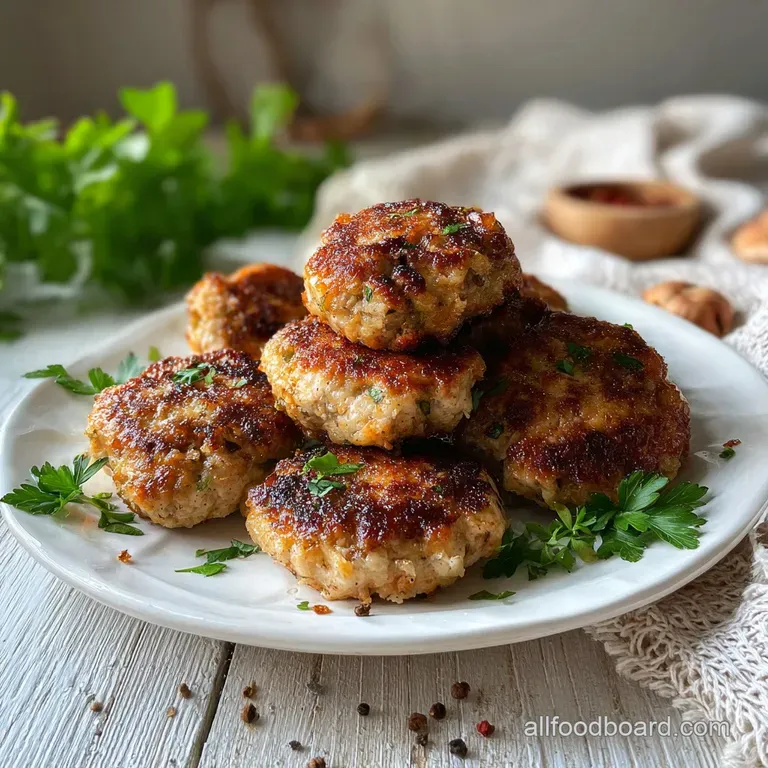
- Time: Active 15 minutes, Passive 15 minutes, Total 30 minutes
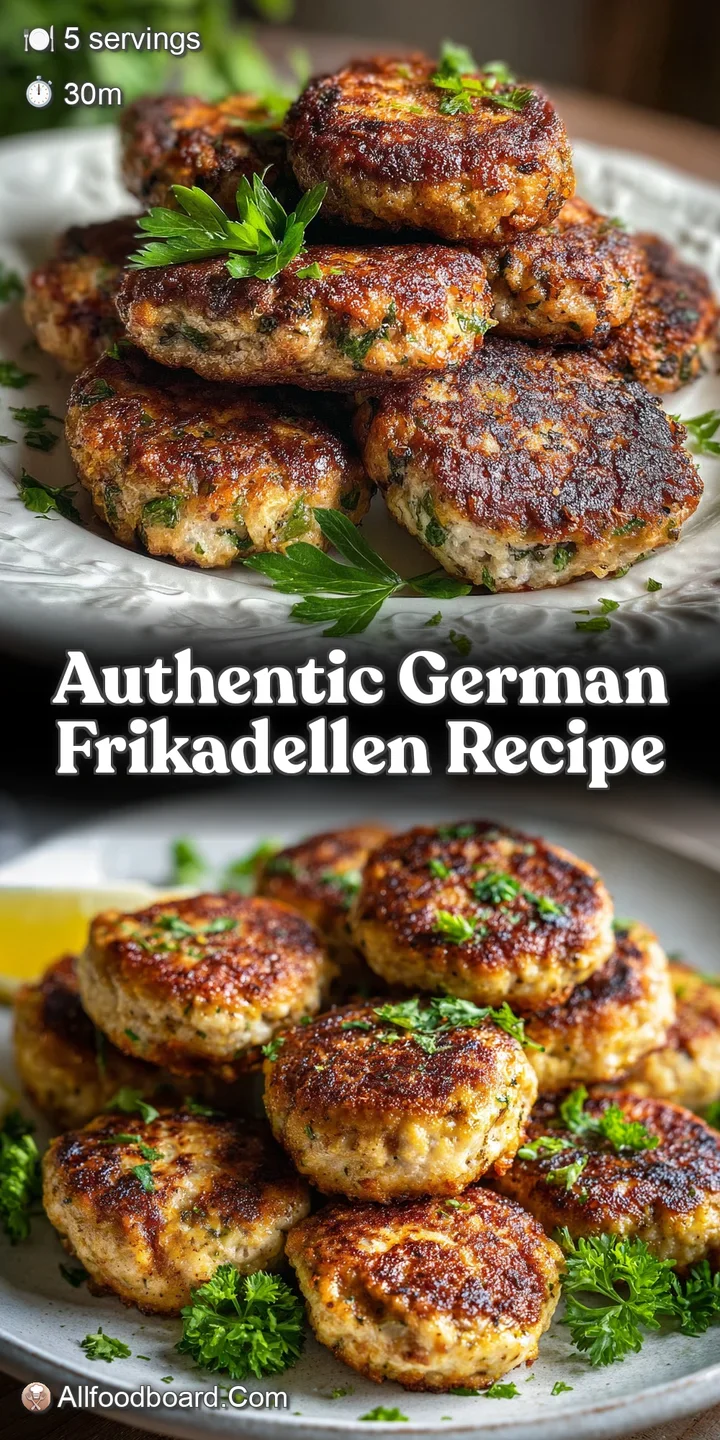
- Flavor/Texture Hook: Velvety interior with a savory, pan seared shatter
- Perfect for: Weeknight dinners or a traditional German Sunday lunch
- Master the Ultimate Authentic German Frikadellen Recipe
- Why These Ingredients Create Texture
- Quick Specs and Method Comparisons
- Essential Components and Smarter Swaps
- The Tools for Crispy Success
- Step-by-Step Prep and Cooking Guide
- Solutions for Common Cooking Mistakes
- Flavor Variations and Scaling Tips
- Debunking Common Meatball Myths
- Storage Guidelines and Reheating Tips
- Perfect Pairings for Your Meal
- Recipe FAQs
- 📝 Recipe Card
Master the Ultimate Authentic German Frikadellen Recipe
I'll never forget the first time I tried to make these without a recipe. I thought, "Hey, it's basically a hamburger, right?" I used dry breadcrumbs and over high heat grilling. The result was a dry, bouncy hockey puck that lacked any of the soul I remembered from my time in Bavaria.
My German neighbor just shook her head, handed me a stale kaiser roll, and told me to start over. That was the day I learned the magic of the milk soak.
The aroma of these frying in butter and oil is something that stays with you. It's the scent of onions softening in a pan, mixed with the floral, earthy notes of marjoram and a hint of warm nutmeg. When you get that sizzle just right, the kitchen transforms into a cozy Gasthaus.
This isn't just a meat patty, it's a lesson in how simple ingredients like a day old roll and a splash of milk can turn humble ground meat into something genuinely special.
We are going to skip the shortcuts today and focus on the technique that makes this an Authentic German Frikadellen Recipe. You don't need a degree in culinary arts, but you do need to follow the order of operations.
We'll talk about why we sauté the onions first (trust me, raw onions are a no go here) and how to handle the meat so it stays light and airy. Let's get into the kitchen and make something your family will ask for every single week.
Why These Ingredients Create Texture
- Protein Matrix Management: Mixing beef and pork creates a balance of structure and fat, where the pork provides a soft, melting quality that prevents the beef from becoming too tight or chewy during the sear.
- The Panade Effect: Soaking a stale kaiser roll in whole milk creates a starch protein paste that physically interrupts the meat fibers, preventing them from linking too tightly and squeezing out juices.
- Aromatic Softening: Sautéing the minced onions in butter before adding them to the meat mixture removes excess water and harsh sulfur compounds, ensuring the final patty is sweet and tender rather than crunchy or bitter.
- Emulsification Support: The addition of a large egg acts as a binder that holds the fat and moisture together, creating a stable emulsion that doesn't "leak" while it sits in the pan.
| Method | Time | Texture | Best For |
|---|---|---|---|
| Cast Iron Pan | 15 minutes | Maximum crust, dark brown | Authentic texture |
| Stainless Steel | 18 minutes | Even browning, good fond | Making a pan sauce |
| Oven Baked | 25 minutes | Uniformly soft, no crust | Large batch meal prep |
| Air Fryer | 12 minutes | Very crispy, slightly drier | A quick individual snack |
The choice of cooking method significantly impacts the final sensory experience. While the oven is convenient for making twenty at once, you lose that specific pan-fried shatter that defines a traditional Frikadelle.
I always recommend the cast iron skillet because it holds heat beautifully, ensuring the meat sears the moment it touches the surface.
Quick Specs and Method Comparisons
| Component | Science Role | Pro Secret |
|---|---|---|
| Stale Kaiser Roll | Starch Buffer | Use a "semmel" or crusty roll, never soft sandwich bread |
| Whole Milk | Hydration Agent | Warm the milk slightly to help the bread break down faster |
| German Mustard | Emulsifier | Adds acidity to cut through the fat of the pork |
| Ground Nutmeg | Flavor Bridge | Enhances the natural sweetness of the sautéed onions |
The role of the bread is perhaps the most misunderstood part of this dish. It isn't a filler meant to save money, it's a structural necessity. If you use fresh bread, it turns into a gummy paste that makes the meat heavy.
A stale roll, however, has an open pore structure that drinks up the milk and then releases it back into the meat as it cooks, creating steam from the inside out.
For a complete meal, this technique pairs beautifully with a side of Homemade Spaetzle Noodles Recipe which helps soak up any extra juices or gravy you might serve alongside.
Essential Components and Smarter Swaps
- 250g ground beef (80/20): Provides the core meaty flavor. Why this? The fat ratio is vital for keeping the interior succulent.
- 250g ground pork: Adds softness and a milder flavor profile. Why this? Pork fat has a lower melting point than beef fat.
- 1 large egg: The primary binder for the mixture. Why this? Holds the heavy ingredients together during the flipping process.
- 1 stale kaiser roll: The base of our panade. Why this? Provides the perfect crumb structure for moisture retention.
- 120ml whole milk: Used to rehydrate the stale bread. Why this? Adds richness and fat that water simply can't provide.
- 1 medium yellow onion: Finely minced for flavor. Why this? Becomes sweet and translucent when sautéed in butter.
- 1 tbsp unsalted butter: For sautéing the onions. Why this? Butter adds a nutty depth that oil lacks.
- 3 tbsp fresh parsley: For a hit of herbal freshness. Why this? Balances the heavy, savory notes of the meat.
- 1 tbsp German medium hot mustard: For tang and emulsification. Why this? It has a specific spice profile unique to Germany.
- Spices (Salt, Pepper, Marjoram, Nutmeg): The traditional spice blend. Why this? Marjoram is the defining herb of a true Frikadelle.
- 2 tbsp vegetable oil: For over high heat frying. Why this? Prevents the butter from burning during the long sear.
| Original Ingredient | Substitute | Why It Works |
|---|---|---|
| Kaiser Roll | 40g Panko Crumbs | Absorbs liquid well. Note: Texture will be less "cushiony" than bread. |
| German Mustard | Dijon Mustard | Similar spice level. Note: Slightly more vinegary than the German version. |
| Ground Pork | Ground Turkey (Thigh) | High fat content. Note: Flavor will be lighter and less traditional. |
| Dried Marjoram | Dried Oregano | Similar herbaceous profile. Note: Oregano is stronger; use only half the amount. |
If you find yourself without a kaiser roll, don't panic. While the stale roll is the gold standard for an Authentic German Frikadelle Recipe, two thick slices of white bread with the crusts removed will get you about 80% of the way there.
Just make sure you squeeze the milk out thoroughly so the mixture doesn't become a soup.
The Tools for Crispy Success
To get the best results, you'll want a heavy bottomed skillet. A cast iron pan is my top pick because it maintains a steady temperature even when you drop five cold patties into it. You'll also need a small sauté pan for the onions and a large mixing bowl.
Don't forget a sturdy spatula. I prefer a thin metal fish spatula because it can slide under the delicate patties without tearing that precious crust. If you're using a non stick pan, a silicone edged spatula is a safer bet.
Finally,, a digital meat thermometer is your best friend here to ensure the pork is cooked through without turning the beef into leather.
step-by-step Prep and Cooking Guide
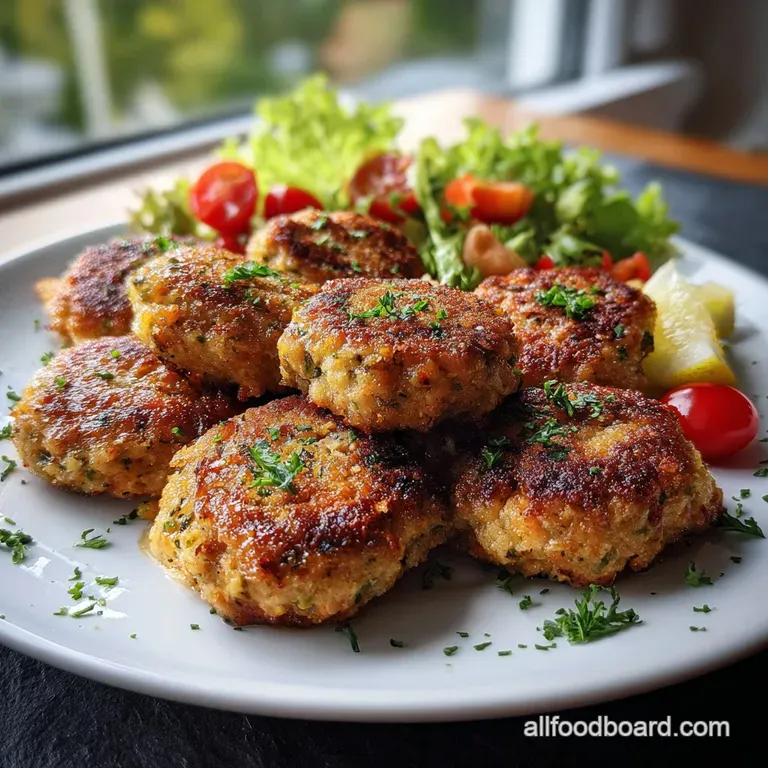
- Rehydrate the bread. Place the stale kaiser roll in a small bowl and pour the 120ml whole milk over it. Note: Let it sit for 10 minutes, flipping once to ensure it's fully saturated.
- Sauté the aromatics. Melt the 1 tbsp butter in a small pan and cook the minced yellow onion until translucent and fragrant, about 5 minutes. Let them cool slightly.
- Process the panade. Take the soaked roll and squeeze it firmly with your hands to remove excess milk. Shred the softened bread into tiny bits into a large bowl.
- Combine ingredients. Add the 250g beef, 250g pork, egg, sautéed onions, parsley, mustard, salt, pepper, marjoram, and nutmeg to the bowl with the bread.
- Mix gently. Use your hands to fold the ingredients together until just combined and uniform. Note: Overmixing will lead to a tough, rubbery texture.
- Shape the patties. Divide the mixture into 5 equal portions and form them into thick, slightly flattened rounds. Press a small indentation into the center with your thumb.
- Heat the pan. Add 2 tbsp vegetable oil to your large skillet over medium high heat until the oil shimmers and swirls.
- Sear the first side. Place the patties in the pan and cook for 5 to 6 minutes until a deep brown crust forms.
- Flip and finish. Carefully turn the patties over and cook for another 5 to 6 minutes until the internal temperature hits 71°C.
- Rest and serve. Transfer to a plate and let them sit for 3 minutes until the juices redistribute.
When you're shaping these, the thumb indentation is a trick I learned from making burgers, and it works perfectly for this Authentic German Frikadellen Recipe too. It prevents the center from puffing up into a ball, ensuring your patty stays flat and cooks evenly across the entire surface.
If you are a fan of savory, hand held comfort foods, you might also enjoy the textures found in The Homemade French recipe which can actually be hollowed out to serve these meatballs inside with a bit of gravy.
Solutions for Common Cooking Mistakes
Why Your Meatballs Crumble
If your patties are falling apart in the pan, it's usually a moisture issue. Either the bread wasn't squeezed enough, leaving too much liquid in the mix, or the egg was too small to bind the volume of meat. Another culprit is flipping too early; the crust needs time to "set" before you move it.
Correcting a Dry Interior
Dryness usually happens when the heat is too low for too long, or you used meat that was too lean. The 80/20 ratio is non negotiable for that velvety mouthfeel. If you find your mixture feels dry before cooking, you can add a tablespoon of the leftover soaking milk back into the bowl.
| Problem | Root Cause | Solution |
|---|---|---|
| Gray, steamed exterior | Pan was not hot enough | Preheat pan for 3 minutes until oil is shimmering |
| Burnt outside, raw inside | Heat was too high | Reduce heat to medium and cover with a lid for 2 mins |
| Rubbery, tough texture | Overworking the meat | Mix by hand only until the ingredients are "just" incorporated |
Common Mistakes Checklist
- ✓ Never use fresh, soft breadcrumbs; they lack the structural integrity of a stale roll.
- ✓ Always sauté the onions; raw onions release water during cooking, which steams the meat from inside.
- ✓ Squeeze the soaked bread until it's almost dry to avoid a mushy texture.
- ✓ Don't overcrowd the pan; leave at least 2cm between patties for proper airflow.
- ✓ Let the meat mixture rest in the fridge for 15 minutes if it feels too soft to shape.
Flavor Variations and Scaling Tips
If you want to scale this recipe down for a solo dinner, it's quite simple. For a half batch, use 125g of each meat. Since you can't easily use half an egg, beat the egg in a small cup first and use about two tablespoons of the liquid.
Reduce the cooking time by about 2 minutes per side as smaller patties lose heat faster.
For a larger crowd, doubling the recipe works perfectly. However, don't double the salt and spices linearly. Use 1.5 times the amount of salt and spices first, then taste a small bit of the mixture (fry a tiny "test" marble of meat) to see if it needs more. This prevents the batch from becoming an accidental salt bomb.
Variations to Try
- Bavarian Style: Add a teaspoon of grated lemon zest and a pinch of ground caraway seeds to the mix.
- Cheese Stuffed: Place a small cube of Emmental or Gouda in the center of the patty before sealing it shut.
- Herb Heavy: Increase the parsley and add fresh chives or dill for a brighter, spring inspired flavor.
If you enjoy experimenting with different regional flavors, you might find the smoky profiles of my Vegetarian Enchiladas Recipe an interesting contrast to the savory, herbal notes of this German classic.
Debunking Common Meatball Myths
A common misconception is that you need to use the highest quality steak cuts for meatball recipes. In reality, expensive lean cuts like tenderloin make for a terrible Frikadelle because they lack the fat needed to stay moist. The "cheap" 80/20 ground beef is actually the premium choice here.
Another myth is that you must use breadcrumbs for a "proper" meatball. Breadcrumbs are a modern convenience that often results in a dense, grainy texture. The traditional panade made from a soaked roll creates a much more sophisticated, "cloud like" interior that breadcrumbs simply cannot replicate.
Storage Guidelines and Reheating Tips
- Fridge Life
- You can store cooked Frikadellen in an airtight container for up to 3 days. They actually taste quite good cold on a piece of rye bread with a thick layer of mustard the next day.
- Freezer Instructions
- These freeze beautifully. Place cooked and cooled patties on a baking sheet to freeze individually, then transfer to a freezer bag for up to 3 months.
- Zero Waste
- If you have leftover meat mixture that isn't enough for a full patty, roll them into tiny marbles and fry them up to use as a protein boost for a salad or a quick soup topper.
When reheating, avoid the microwave if possible, as it can make the meat rubbery. Instead, place them in a skillet over medium low heat with a teaspoon of water and a lid. The steam will gently warm the center while the pan refreshes the crust.
Perfect Pairings for Your Meal
In a traditional German household, you'd most likely see these served with a warm potato salad (Kartoffelsalat) made with vinegar and bacon, or a pile of buttery mashed potatoes. A side of red cabbage (Rotkohl) adds a lovely sweetness and acidity that cuts through the rich meat.
If you are looking for something a bit more casual, these are incredible served "Brötchen" style smashed inside a crusty roll with nothing but a heavy dollop of spicy mustard. It’s the ultimate German street food experience right in your own kitchen.
No matter how you serve them, the key is to have plenty of mustard on the table. It’s the mandatory condiment that ties the whole dish together.
Chef's Tip: If you want a restaurant quality finish, throw a knob of cold butter into the pan during the last 2 minutes of cooking and spoon the foaming butter over the patties. It adds a glossy finish and an extra layer of richness that is absolutely world class.
Recipe FAQs
What is the secret to good Frikadellen?
The panade made from stale bread soaked in milk. This technique interrupts the meat fibers, creating a velvety interior that stays moist during cooking.
How are Frikadellen different across Germany?
They vary mainly in regional binding agents and shape. Northern regions stick closer to the beef/pork mix, while Southern areas sometimes use breadcrumbs exclusively or incorporate potatoes.
What is a German Frikadellen?
It is a traditional pan-fried German meat patty, similar to a Dutch 'frikandel' but typically thicker. Frikadellen use a panade (soaked bread) to ensure a tender texture unlike a standard American hamburger.
What are authentic German meat patties?
Authentic German meat patties are Frikadellen, characterized by marjoram, sautéed onions, and the milk soaked bread binder. If you enjoyed mastering the delicate texture control here, apply the same principle to achieving a perfect crust in our The Sizzling Showstopper recipe.
How to ensure the patties are not dry?
Use an 80/20 ground meat blend, typically beef and pork. The fat content is crucial for moisture retention, and the milk soaked panade acts as an internal steam source while frying.
Can I substitute the stale Kaiser roll?
Yes, but the texture will change significantly. Use thick, crustless white bread soaked thoroughly, ensuring you squeeze out excess liquid before mixing.
Is it true you must not use high heat when cooking?
No, this is a common misconception; high heat is needed initially for searing. You must start hot (medium high) to establish a crust, then reduce the heat to medium to finish cooking the interior thoroughly without burning the exterior.
Authentic German Frikadellen Recipe
Ingredients:
Instructions:
Nutrition Facts:
| Calories | 374 kcal |
|---|---|
| Protein | 22.6 g |
| Fat | 26.8 g |
| Carbs | 10.2 g |
| Fiber | 0.9 g |
| Sugar | 2.4 g |
| Sodium | 565 mg |
